Women-Led Disaster Preparedness: Empowering Communities Through Inclusive Resilience
Women are increasingly taking the lead in disaster preparedness and risk reduction initiatives, bringing unique perspectives and strategies that enhance community resilience. Let's explore how women-led initiatives are transforming disaster preparedness and the challenges they face.

How Women-Led Initiatives Differ from Traditional Programs
1. Focus on inclusivity: Women-led programs often prioritize the needs of marginalized groups.
2. Emphasis on social networks: These initiatives leverage existing community connections.
3. Holistic approach: Women leaders tend to address interconnected issues like livelihoods and health.
4. Bottom-up strategies: Many women-led programs start at the grassroots level.
5. Attention to gender-specific needs: These initiatives consider unique challenges faced by women and girls.
#InclusiveResilience #WomenLeadDRR
Challenges Women Face in Leading Disaster Preparedness
1. Gender bias and stereotypes in leadership roles
2. Limited access to resources and funding
3. Balancing caregiving responsibilities with leadership duties
4. Lack of representation in decision-making bodies
5. Cultural barriers in some communities
Despite these challenges, women are making significant strides in disaster risk reduction leadership.
#OvercomingBarriers #WomenInDRR

Scaling Women's Leadership in Disaster Risk Reduction Globally
1. Invest in education and training programs for women in DRR
2. Promote women's participation in policy-making and planning
3. Provide funding and resources specifically for women-led initiatives
4. Create mentorship programs to support emerging women leaders
5. Highlight success stories of women-led DRR initiatives
#ScalingWomenLeadership #GlobalDRR
Key Strategies Used by Women-Led Disaster Preparedness Initiatives
1. Community-based risk assessments: Engaging local women to identify vulnerabilities
2. Capacity building: Training women as first responders and community mobilizers
3. Sustainable livelihoods: Integrating economic resilience into disaster preparedness
4. Early warning systems: Developing gender-responsive alert mechanisms
5. Climate change adaptation: Incorporating long-term environmental considerations
#WomenLedStrategies #CommunityResilience

How Women's Community Networks Enhance Disaster Resilience
1. Rapid information dissemination: Leveraging social networks for alerts
2. Resource pooling: Sharing assets and knowledge within communities
3. Emotional support: Providing psychological first aid during crises
4. Collective action: Mobilizing communities for preparedness activities
5. Cultural sensitivity: Ensuring interventions respect local customs and norms
#CommunityNetworks #WomenEmpowerment
Women-led disaster preparedness initiatives, such as the Women's Resilience to Disasters (WRD) Programme and Women I TokTok Tugeta (WITTT) in Vanuatu, demonstrate the power of inclusive, community-centered approaches[1][2]. These programs not only address immediate disaster risks but also tackle underlying vulnerabilities, contributing to long-term community resilience.
By empowering women as leaders in disaster risk reduction, we can create more effective, inclusive, and sustainable preparedness strategies. As we face increasing climate-related challenges, supporting and scaling women's leadership in this field is not just beneficial – it's essential for building truly resilient communities worldwide.
#WomenInResilience #DisasterPreparedness #GenderEqualDRR

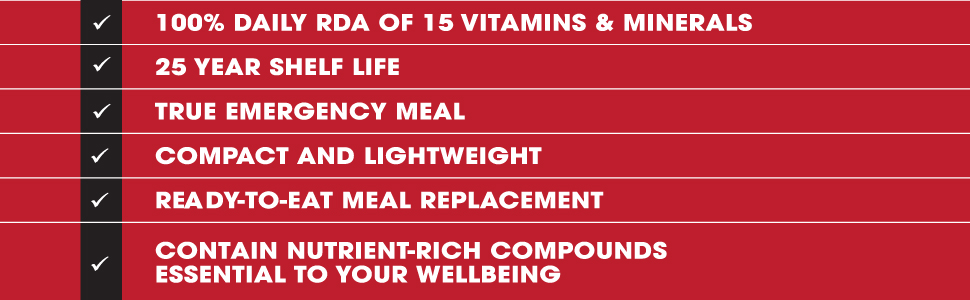
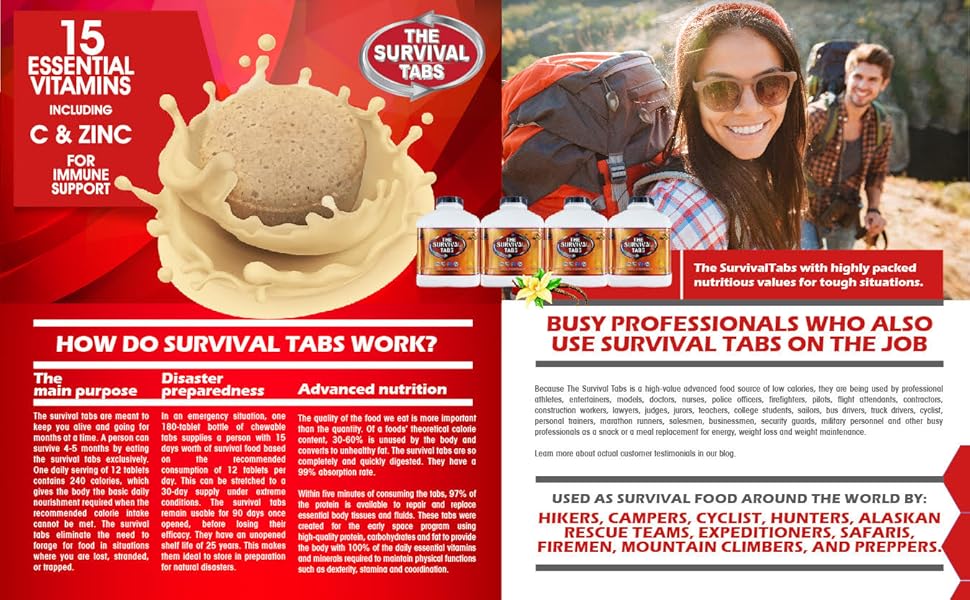
***Statements regarding dietary supplements have not been evaluated by the FDA and are not intended to diagnose, treat, cure, or prevent any disease or health condition.***
 |
 |
 |
 |
 |
|
|---|---|---|---|---|---|
| 720 Tabs Emergency Food Survival Gluten Free and Non-GMO 25 Years Shelf Life | Food Supply 96 Tabs Emergency Food Replacement Disaster Preparedness | Ultimate Preparedness Emergency Food Supply 25 year shelf life | Emergency Food Ration Survival MREs Food Replacement | Emergency Food Survival Food Meal Replacement MREs Gluten Free and Non-GMO | |
| Day Serving | 60 days | 8 days | 120 days | 15 days | 2 days |
| Shelf-Life | 25 years | 25 years | 25 years | 25 years | 25 years |
| Non-GMO | ✓ | ✓ | ✓ | ✓ | ✓ |
| Gluten Free | ✓ | ✓ | ✓ | ✓ | ✓ |
| Tabs Amount | 720 | 96 | 1440 | 180 | 24 |