

Winter Storm Preparedness Guide
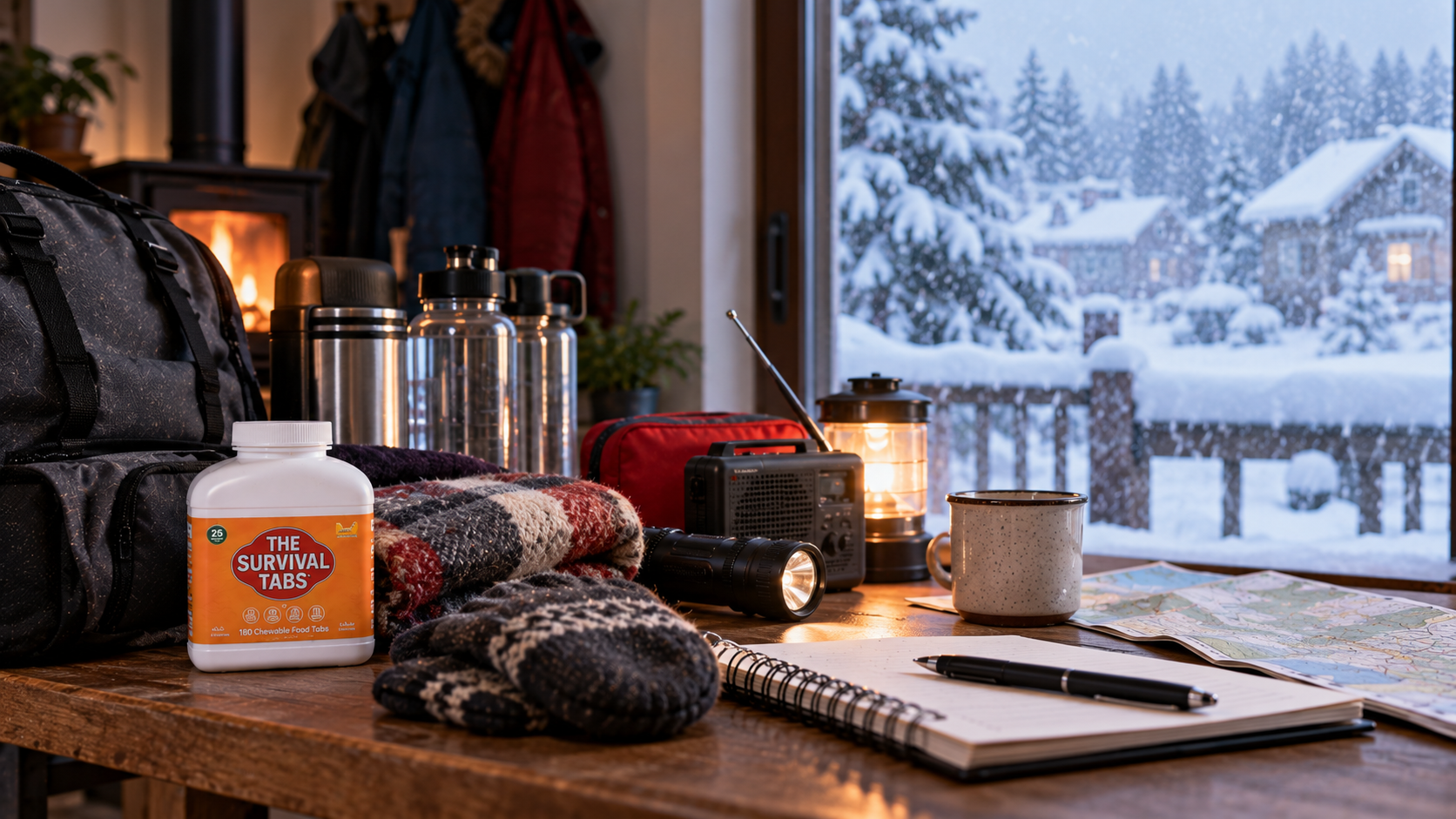
Winter storms can disrupt power, heat, transportation, water service, communications, and access to stores. A useful winter plan focuses on staying informed, maintaining safe heat, protecting water systems, keeping essential supplies available, and knowing when travel is unsafe.
Before Winter Weather Arrives
Monitor forecasts and local emergency alerts. Keep several ways to receive warnings, including a charged phone and a battery-powered or hand-crank radio. Review household contacts, medications, accessibility needs, pet supplies, and transportation plans. Keep flashlights, batteries, blankets, warm clothing, drinking water, shelf-stable food, and essential medicines available.
Prepare the Home
Inspect heating equipment before the cold season and keep combustible materials away from heat sources. Never use an oven to heat a home. Portable heaters should be placed on stable surfaces, plugged directly into wall outlets, and turned off when leaving the room or sleeping. Fireplaces and wood stoves should be properly vented and maintained.
Protect Water Pipes
Pipes in exterior walls, attics, basements, crawl spaces, and cabinets are especially vulnerable to freezing. Insulate exposed pipes where appropriate and allow indoor heat to reach plumbing in vulnerable areas. During severe cold, follow local utility or building guidance about allowing a small water flow. If a pipe freezes, never use an open flame to thaw it. Shut off the water if a pipe bursts and contact a qualified plumber when needed.
Power Outages and Carbon Monoxide
Use battery-powered lighting when possible. Never operate generators, charcoal grills, camp stoves, or other unvented combustion equipment inside a home, garage, basement, tent, or other enclosed area. Keep generators outdoors, at least 20 feet from doors, windows, and vents, with exhaust directed away; follow manufacturer and local safety instructions. Maintain working smoke and carbon-monoxide alarms with backup power.
Food and Water
Keep foods that require little or no cooking for outages. Avoid repeatedly opening refrigerators and freezers during a power failure. Follow current food-safety guidance when deciding whether refrigerated or frozen food remains safe. Maintain drinking water appropriate to household size and special needs.
Travel
Avoid unnecessary travel when officials advise staying off roads. If travel is unavoidable, check road and weather conditions, tell someone the route, dress for exposure, and carry a vehicle emergency kit with warm clothing, water, food, lighting, charging capability, and basic roadside supplies.
Cold-Related Illness
Know the warning signs of hypothermia and frostbite. Confusion, slurred speech, unusual drowsiness, loss of coordination, numbness, or pale/waxy skin can signal a medical emergency. Seek emergency medical help when serious cold injury is suspected.
After the Storm
Inspect the home for plumbing damage, heating problems, carbon-monoxide hazards, and spoiled food. Restock supplies that were used and update the household plan based on what worked and what did not.
Survival Tabs in a Winter Kit
Compact shelf-stable food can be one component of a diversified emergency food supply. Survival Tabs should be stored according to current manufacturer instructions and should not replace adequate water, varied food, prescribed medication, or emergency medical care.
Quick Checklist
• Multiple alert methods
• Safe backup lighting
• Warm layers and blankets
• Drinking water and shelf-stable food
• Essential medications and documents
• Smoke and carbon-monoxide alarms
• Vehicle winter kit
• Pet and accessibility supplies
• Emergency contacts and evacuation plan
Editorial note: Consolidates legacy winter-storm records including IDs 132–135 and 298. Unsafe heating, open-flame pipe thawing, fear-based framing, and unsupported product claims excluded. Final publication should retain links to current NWS, USFA, EPA, Ready.gov, and local utility guidance.