

Winter Storm Preparedness Guide
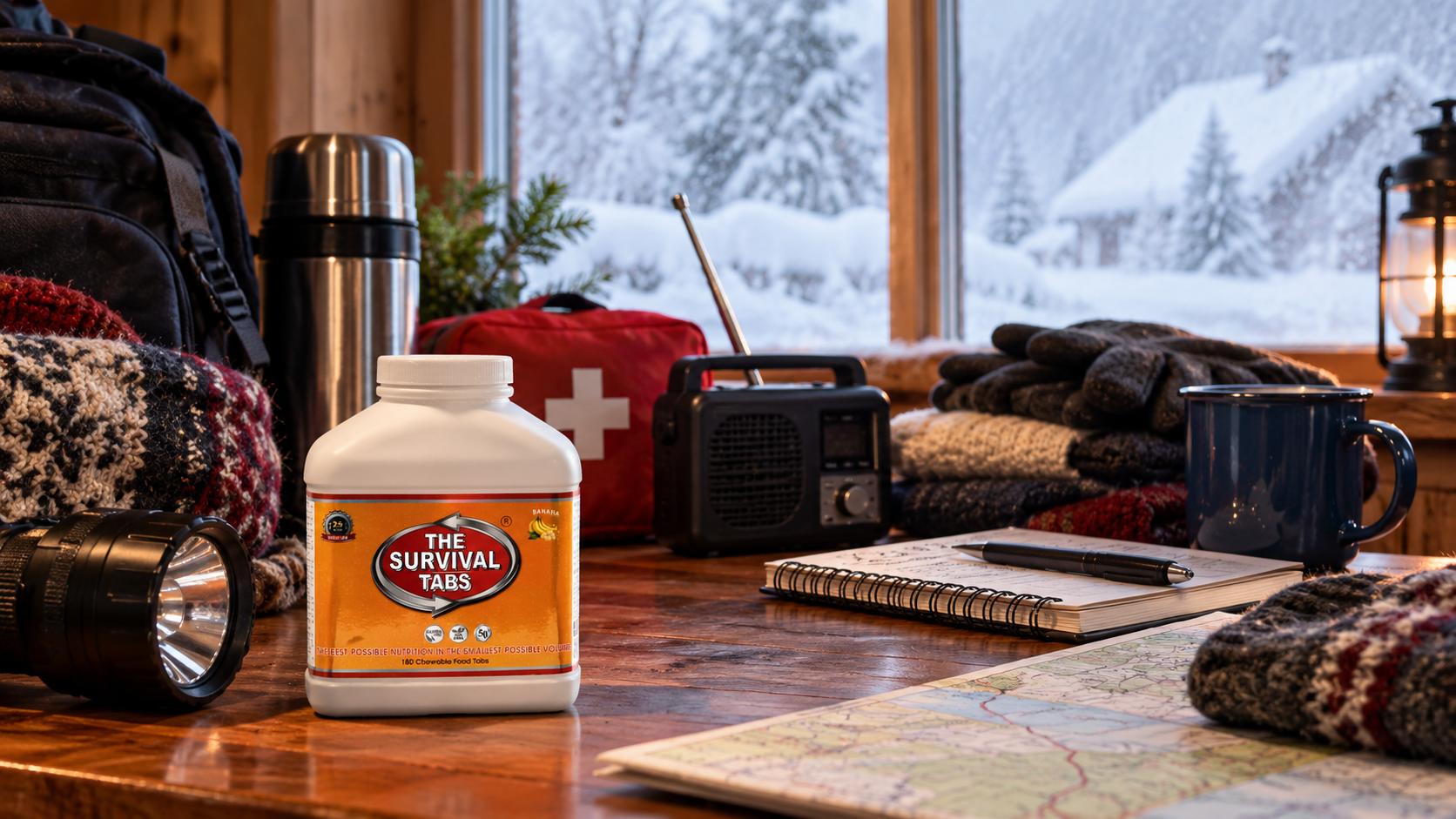
A calm, practical plan for snow, ice, extreme cold, outages, and safer recovery
Winter storms can disrupt travel, electricity, heating, communications, food access, and medical routines. The safest plan begins before snow or ice arrives and changes as official alerts and local conditions change.
This guide is for household preparedness and education. It does not replace instructions from emergency managers, utility providers, health professionals, building officials, fire departments, or transportation authorities.
Quick action plan
* Check the National Weather Service forecast and local emergency alerts.
* Decide early whether to stay home, travel, evacuate, or use a public warming shelter.
* Charge phones and backup batteries; test radios and flashlights.
* Confirm safe heat, carbon-monoxide alarms, smoke alarms, and fuel supplies.
* Bring pets inside and check on people who may need help.
* Move vehicles to a safe location before roads deteriorate.
* Set aside water, no-cook food, medications, and warm layers.
* Avoid unnecessary travel once warnings or hazardous road conditions begin.
Understand the hazard
Winter weather may include snow, blowing snow, freezing rain, sleet, extreme cold, strong wind, rapid visibility loss, and ice-related power failures. Local impacts depend on terrain, road treatment, building condition, and available services.
Watch, advisory, and warning
* A watch means hazardous winter weather is possible. Review plans, supplies, travel, and communications.
* An advisory means winter weather is expected and may create dangerous travel or outdoor conditions. Use caution and reconsider optional trips.
* A warning means dangerous conditions are occurring or imminent. Take protective action and follow local instructions.
Alert criteria vary by National Weather Service office. Read the exact alert for your location instead of relying on a universal snowfall threshold.
Plan for cascading problems
* Ice can damage trees and power lines.
* Snow and wind can block roads and delay emergency response.
* Cold can freeze plumbing and damage heating systems.
* Power loss can interrupt heat, refrigeration, medical equipment, internet service, and well pumps.
* Poor ventilation or unsafe heating can create carbon-monoxide and fire hazards.
Build a household winter plan
Assign decisions
* Choose who monitors alerts and road conditions.
* Choose who contacts relatives, neighbors, caregivers, and service providers.
* Choose who checks heat, water, food, medicines, pets, and backup power.
* Set a decision time for canceling travel or moving to a safer location.
* Write down the conditions that would trigger evacuation or use of a warming center.
Create a communication plan
* Keep emergency contacts on paper as well as in phones.
* Choose an out-of-area contact who can relay updates.
* Agree on check-in times and a backup method if mobile data fails.
* Know how local officials distribute alerts, shelter information, and road closures.
* Keep a battery-powered or hand-crank radio available.
Plan for individual needs
* List prescriptions, dosages, prescribers, pharmacies, and allergies for emergency reference.
* Plan backup power and relocation for essential medical equipment with the equipment provider and clinician.
* Prepare mobility aids, hearing devices, communication boards, glasses, and spare batteries.
* Plan safe supervision and calm explanations for children.
* Prepare food, carriers, leashes, medications, bedding, and identification for pets.
* Ask before assisting a neighbor; respect privacy, autonomy, and service-animal roles.
Prepare the home
Heat and insulation
* Have the primary heating system inspected and maintained as recommended.
* Know how to operate thermostats, fuel shutoffs, electrical breakers, and water shutoffs.
* Reduce drafts with intact weatherstripping and safe window or door coverings.
* Keep vents, flues, and combustion-air openings clear.
* Never block required ventilation to conserve heat.
* Use only heating equipment approved for the location and follow the manufacturer’s instructions.
Carbon-monoxide and fire safety
* Install and test smoke alarms and carbon-monoxide alarms according to manufacturer and local requirements.
* Replace alarm batteries or units according to the manufacturer’s schedule.
* Never use a charcoal grill, camp stove, generator, or other outdoor combustion device inside a home, garage, basement, shed, tent, or partly enclosed space.
* Never use a gas oven or stove to heat the home.
* Place generators outdoors and away from doors, windows, vents, and other openings, following manufacturer and official safety guidance.
* Keep space heaters on a stable surface and away from anything that can burn.
* Plug portable heaters directly into an appropriate wall outlet unless the manufacturer specifically directs otherwise.
* Turn portable heaters off when leaving the room or going to sleep unless the unit is explicitly designed and approved for that use.
* If a carbon-monoxide alarm sounds or symptoms occur, move to fresh air, call emergency services, and do not reenter until authorities say it is safe.
Water and plumbing
* Know where the main water shutoff is located.
* Follow local utility and plumbing guidance for freeze protection.
* Keep cabinet doors open only when safe from children and pets and when it helps warm vulnerable pipes.
* Never use an open flame to thaw pipes.
* If a pipe breaks, shut off water when safe and contact a qualified professional.
* Treat boil-water notices and other water advisories as separate hazards with their own instructions.
Outdoor property
* Bring loose outdoor items inside or secure them before high wind.
* Keep exits usable without creating unsafe lifting or overexertion.
* Do not climb onto an icy or snow-loaded roof.
* Do not install or operate roof-heating, snow-melting, or structural systems without qualified design, installation, and code review.
* Keep fire hydrants, exterior vents, meters, and emergency access visible when local guidance permits safe clearing.
Food, water, and essential supplies
Water
* Store water for drinking, food preparation, hygiene, and household-specific medical needs.
* Account for pets and any formula preparation.
* Use clean, food-grade containers and rotate water according to the container or public-health guidance.
* Do not ration drinking water to a dangerously low level; reduce unnecessary use and seek assistance early.
Food
* Choose shelf-stable foods that fit allergies, medical diets, cultural needs, and available preparation methods.
* Include no-cook options in case electricity, fuel, or ventilation is unavailable.
* Keep a manual can opener where it is easy to find.
* Store food away from moisture, chemicals, pests, and temperature extremes.
* Do not treat any single product as a complete long-term household diet.
Power outage food safety
* Keep refrigerator and freezer doors closed as much as possible.
* Use appliance thermometers when available.
* Follow current USDA or local public-health guidance when deciding whether refrigerated or frozen food is safe.
* Never taste food to decide whether it is safe.
* When in doubt after unsafe temperature exposure, discard the food.
Core supplies
* Flashlights and spare batteries
* Battery-powered or hand-crank radio
* Phone power banks and charging cables
* Warm clothing, hats, gloves, socks, and blankets
* First-aid supplies
* Prescription and essential over-the-counter medications
* Hygiene supplies
* Fire extinguisher appropriate for household use
* Snow and ice tools appropriate to the property
* Pet and service-animal supplies
* Copies of identification, insurance, and emergency contacts
* Cash in small denominations where useful
Prepare the vehicle
Before winter travel
* Maintain tires, brakes, battery, lights, wipers, fluids, and heating or defrosting systems.
* Use tires and traction equipment appropriate to local law and conditions.
* Keep the fuel or charge level high enough for delays, detours, and safe heating decisions.
* Tell someone the route, destination, and expected arrival time.
* Check official road closures and forecasts immediately before departure.
* Cancel or delay travel when authorities advise against it or conditions exceed your experience and equipment.
Vehicle emergency kit
* Warm layers and blankets
* Water and shelf-stable food
* Phone charger or power bank
* Flashlight and reflective warning devices
* First-aid kit and essential medications
* Ice scraper and snow brush
* Small shovel
* Traction aid appropriate to the vehicle
* Jumper cables or a compatible jump pack
* Paper map and written contacts
* Pet supplies if animals travel
If stranded
1. Call emergency services when there is immediate danger, injury, severe exposure, or a life-safety threat.
2. Share the vehicle location, direction of travel, condition of occupants, and visible landmarks.
3. Stay with the vehicle unless authorities direct otherwise or a clearly safer occupied shelter is very close and reachable without exposure risk.
4. Make the vehicle visible without standing in traffic.
5. Clear snow from the exhaust outlet before running the engine, and recheck it regularly.
6. Use the engine and heater only as needed and only when exhaust is safely vented; carbon monoxide can enter the cabin.
7. Open a window slightly only if official guidance and conditions make it appropriate and it does not create additional exposure.
8. Move and flex gently to maintain circulation without sweating or overexertion.
9. Keep clothing dry and use layers to conserve heat.
During the storm
Stay informed
* Monitor official forecasts, alerts, road closures, utility messages, and local emergency instructions.
* Use more than one information channel when possible.
* Charge devices whenever power is available.
* Preserve battery by lowering screen brightness and closing unnecessary applications.
* Do not rely on social-media posts that lack a named official source.
Stay warm safely
* Wear loose, dry layers rather than one heavy layer.
* Cover the head, hands, and feet while avoiding garments that restrict circulation.
* Move activity to one safely heated room when appropriate, but maintain required ventilation and usable exits.
* Use blankets and sleeping bags as insulation, not as a reason to operate unsafe heaters.
* Eat and drink regularly according to household health needs.
* Avoid alcohol as a cold-weather warming strategy.
Limit outdoor exposure
* Avoid travel during whiteout, ice, extreme cold, or official travel restrictions.
* If outside is unavoidable, use layers, traction, visibility gear, and a check-in plan.
* Watch for falling ice, branches, power lines, and snowplow traffic.
* Treat all downed power lines as energized and keep people and pets away.
* Report hazards to the utility or emergency services without approaching them.
Cold-related illness
Hypothermia
Hypothermia is a medical emergency caused by dangerously low body temperature. Warning signs may include shivering, exhaustion, confusion, fumbling hands, memory loss, slurred speech, or drowsiness.
1. Call emergency services.
2. Move the person to a warm, dry place when it is safe.
3. Remove wet clothing and wrap the person in dry layers.
4. Warm the center of the body gradually while following dispatcher or medical guidance.
5. Do not use direct high heat, hot water, or vigorous rubbing.
6. Do not give food or drink to a confused, unconscious, or medically unstable person.
Frostbite
Frostbite can cause numbness, color changes, waxy or firm skin, or reduced movement. Treat suspected frostbite as urgent.
1. Move to a warm place and seek medical care.
2. Protect the area from pressure and refreezing.
3. Do not rub, massage, walk on affected feet when avoidable, or use direct dry heat.
4. Follow emergency-dispatch or clinician instructions.
Carbon-monoxide poisoning
Headache, dizziness, weakness, nausea, chest pain, or confusion can signal carbon-monoxide exposure, but symptoms vary and may resemble flu.
1. Move everyone to fresh air immediately.
2. Call emergency services.
3. Do not reenter until authorities identify and correct the source.
Snow and ice removal
* Check with a clinician before strenuous shoveling if heart, lung, mobility, or other health conditions raise risk.
* Warm up, work slowly, take breaks, and stop for chest pain, severe shortness of breath, dizziness, or unusual weakness.
* Push snow when practical instead of repeatedly lifting heavy loads.
* Use a tool sized for the user and conditions.
* Use footwear and traction appropriate to the surface.
* Keep children and pets away from moving equipment and roadside snow banks.
* Never place hands near a snowblower auger or chute; shut down and follow the manual before clearing a blockage.
After the storm
Reassess before going out
* Confirm roads, utilities, buildings, trees, and power lines are safe enough for the planned activity.
* Expect ice beneath fresh snow and reduced visibility at intersections.
* Keep following alerts; secondary hazards and refreezing may continue.
* Photograph damage from a safe location for insurance or assistance records.
* Do not enter a structurally damaged building until qualified authorities approve it.
Restore systems carefully
* Discard food according to current public-health guidance after temperature or contamination exposure.
* Inspect heating, plumbing, electrical, and fuel systems before normal use when damage is suspected.
* Never energize wet electrical equipment.
* Use licensed or qualified professionals for structural, electrical, gas, roof, chimney, and major plumbing work.
* Restock used supplies and record what failed or ran short.
Help the household recover
* Check for delayed symptoms of cold exposure, carbon monoxide, injury, or stress.
* Reconnect with family, neighbors, caregivers, and service providers.
* Update insurance and assistance records.
* Review the plan while details are fresh.
* Repair gaps before the next alert.
A seven-step winter readiness review
1. Identify local winter hazards and alert channels.
2. Decide shelter, travel, evacuation, and warming-center triggers.
3. Inspect safe heat, alarms, utilities, and home access.
4. Prepare water, food, medications, power, clothing, and pet supplies.
5. Winterize and stock vehicles.
6. Practice communications and check-in procedures.
7. Reassess after every storm and update the plan.
Frequently asked questions
How much snow makes travel unsafe?
There is no universal safe amount. Ice, wind, visibility, road treatment, terrain, vehicle condition, driver experience, and local restrictions can matter more than the snowfall total. Use official road and weather guidance.
Can I use a grill or camp stove indoors during an outage?
No. Outdoor combustion devices can produce lethal carbon monoxide and create fire risk. Use them only as directed and in approved outdoor locations.
Can I heat the home with a gas oven?
No. A gas oven or stove is not a safe space heater and may cause carbon-monoxide exposure or fire.
Should I leave home during a winter storm?
The answer depends on local orders, heat, medical needs, building safety, road conditions, available transportation, and accessible shelter. Decide early and follow local emergency instructions.
Should I clear snow from the roof?
Do not climb onto an icy or snow-loaded roof. Structural loads and removal methods require building-specific judgment. Contact a qualified professional and follow local building guidance.
What if someone depends on powered medical equipment?
Create a written backup-power and relocation plan in advance with the clinician, equipment provider, utility where programs exist, caregivers, and emergency management. Seek help early rather than waiting for battery depletion.
Publication and safety limits
* This guide is national, general education; local alert definitions, laws, building codes, travel restrictions, and shelter procedures control.
* Medical sections require review by a qualified clinician.
* Heating, generator, fire, chimney, and combustion sections require qualified fire-safety review.
* Vehicle and roadside sections require qualified transportation-safety review.
* Accessibility and service-animal planning require appropriate accessibility review.
* Roof, structural, electrical, gas, and plumbing work require qualified professionals and local code compliance.
Official sources
Ready.gov — WinterReady
Ready.gov — Winter Weather
National Weather Service — Winter Weather Warnings, Watches and Advisories
CDC — Winter Weather Safety
CDC — Carbon Monoxide Poisoning Prevention
U.S. Fire Administration — Heating Fire Safety
Use the latest local emergency-management, public-health, utility, road, and building-code instructions before publication and during an event.