

Rainwater Collection and Storage Guide
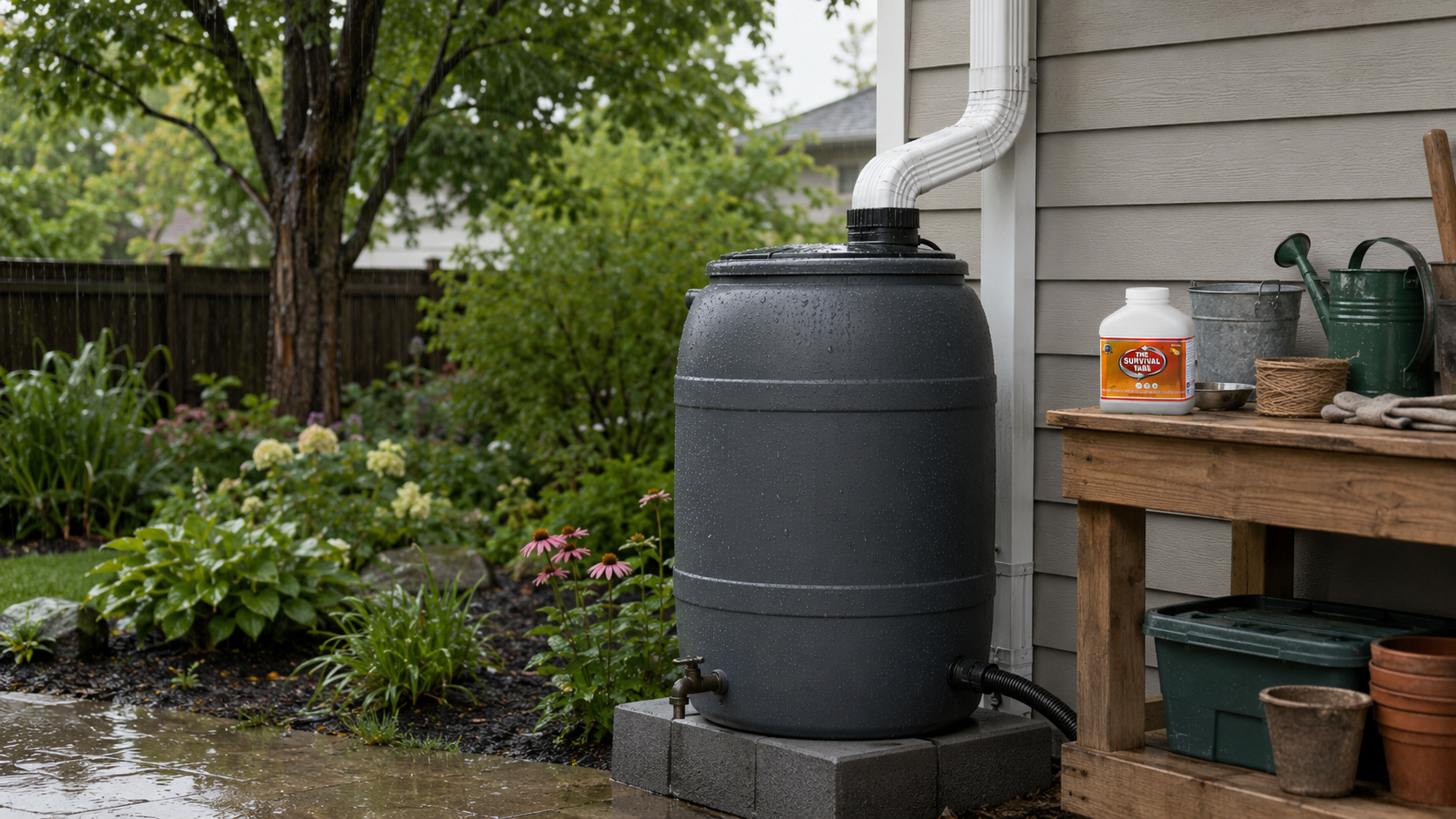
ST-KC-046 — Rainwater Collection and Storage Guide
A safety-first guide to planning, using, and maintaining a household rainwater system
Rainwater collection can reduce demand on treated water, provide water for selected household or landscape uses, and slow runoff from a property. It is not automatically safe to drink, and it is not legal or appropriate for every use in every location.
This guide explains how to make careful decisions about capture surfaces, containers, intended uses, contamination, overflow, mosquitoes, maintenance, emergencies, and professional review. It does not replace local laws, plumbing codes, public-health direction, laboratory testing, or qualified system design.
Quick answer
For most households, the safest starting point is a small, sealed, screened system used only for locally permitted non-potable purposes. Confirm the rules first, choose the end use before choosing equipment, keep the system separate from drinking-water plumbing, prevent access by children and animals, and maintain it on a written schedule.
Do not assume clear water is clean water. Roof runoff can collect germs, animal waste, dust, smoke residues, roofing chemicals, metals, pesticides, and debris. A simple screen or sediment filter does not make contaminated water safe to drink.
If collected water may be used for drinking, cooking, brushing teeth, washing dishes, bathing vulnerable people, or any other human-consumption purpose, involve the local health authority and a qualified water-treatment professional. Testing and a treatment system designed for the actual hazards may be required.
What rainwater harvesting means
A household rainwater system usually has three parts: a capture surface, a storage vessel, and a defined end use. Gutters, downspouts, screens, diverters, tanks, pumps, pipes, labels, and overflow controls may be added depending on the system.
A rain barrel is a relatively small container connected to a downspout. A cistern is generally a larger storage vessel and may require structural, plumbing, electrical, excavation, or permitting work.
The system should be designed backward from the intended use. Water for ornamental plants presents different risks and requirements than water connected to indoor plumbing or used for food crops.
Start with the rules
Rainwater laws and plumbing requirements vary by state, territory, tribal jurisdiction, county, city, water district, homeowners association, and building type. Rules also change.
Before buying or installing equipment:
* Ask the local building or plumbing department whether a permit is required.
* Ask the local health department which uses are allowed.
* Check whether the property is subject to drought, stormwater, historic-building, rental, or association rules.
* Confirm whether a backflow-prevention device or air gap is required.
* Confirm whether indoor use requires a licensed plumber.
* Confirm whether the system must be labeled or color-coded as non-potable.
* Confirm where overflow may legally discharge.
* Ask whether rebates or approved-barrel programs exist.
A renter should obtain written property-owner approval before altering gutters, downspouts, drainage, foundations, roofs, or plumbing.
Choose the intended use first
List every planned use and classify it before sizing the system.
Common possible non-potable uses may include:
* Watering ornamental plants.
* Watering lawns where permitted.
* Washing garden tools.
* Outdoor cleaning where runoff is controlled.
* Other uses specifically approved by local authorities.
Some jurisdictions may allow additional uses only when the system meets treatment, plumbing, inspection, or permitting standards.
Never connect collected rainwater to a drinking-water system without approved cross-connection protection and qualified design. An improper connection can contaminate the household or public water supply.
Uses that need special caution
Food gardens require more careful decisions than ornamental landscaping. Soil contact, edible plant surfaces, harvest timing, irrigation method, local rules, and the health of household members all matter.
Avoid spraying untreated collected water directly onto edible portions of produce unless authoritative local guidance specifically supports the practice. Drip or soil-level irrigation may reduce contact but does not eliminate every risk.
Do not use collected rainwater for infant formula, medical equipment, wound care, contact lenses, food preparation, drinking, tooth brushing, or washing dishes unless the system and water quality have been specifically approved for that purpose.
People who are pregnant, very young, older, immunocompromised, or medically vulnerable may face greater consequences from contaminated water. Ask a clinician and local public-health authority about appropriate precautions.
Estimate how much water you can collect
The useful amount depends on roof area, rainfall, losses, storage capacity, and how quickly the water is used.
A planning estimate is:
Collection volume = rainfall depth × effective capture area × runoff factor.
Real systems lose water through splash, gutter overflow, first-flush diversion, leaks, evaporation, and incomplete drainage. Do not size solely from a theoretical maximum.
Use local rainfall records rather than a national average. Monthly and seasonal patterns matter more than annual rainfall totals because a tank can overflow during wet periods and sit empty during dry periods.
Build a simple water budget
Estimate demand for each approved use:
* Number of plants or irrigation zones.
* Typical watering frequency.
* Seasonal dry periods.
* Outdoor cleaning needs.
* Maximum storage time.
* Backup source when the tank is empty.
Compare expected demand with likely capture during the same season. A system that collects abundant wet-season water may provide little benefit during a long dry period unless storage is large enough and lawful.
Select a safe capture surface
Roof runoff quality depends on roofing materials, roof condition, nearby trees, birds, rodents, wildfire smoke, industrial emissions, pesticide drift, and other local conditions.
Before collecting:
* Identify the roof material and coatings.
* Check manufacturer guidance for water collection.
* Look for lead flashing, treated wood, deteriorating paint, tar, copper, zinc, or other materials that could affect water quality.
* Avoid collection from surfaces contaminated by vehicle traffic, chemical storage, animal enclosures, or industrial activity.
* Inspect for nests, droppings, dead animals, mold, and heavy debris.
* Ask a qualified professional about older or unknown roofing materials.
Do not climb onto a roof without appropriate training, fall protection, weather conditions, and safe access. Use a qualified contractor when roof inspection or modification is required.
Gutters and downspouts
Gutters should direct water without creating leaks, foundation damage, or unsafe loads.
Inspect for:
* Loose fasteners.
* Cracks and separated joints.
* Standing water.
* Sagging sections.
* Clogged downspouts.
* Sharp edges.
* Pest nests.
* Unsafe discharge near foundations or walkways.
A gutter screen can reduce leaves and large debris, but it does not remove germs or dissolved chemicals.
First-flush and pretreatment limits
A first-flush device diverts an initial portion of roof runoff that may carry concentrated debris. It can reduce some contamination but cannot guarantee safe water.
The correct diversion volume depends on roof area, local conditions, system design, and intended use. Avoid universal formulas. Follow local guidance or qualified design specifications.
Sediment screens, leaf guards, settling, and filters are pretreatment steps. They do not reliably remove every pathogen or chemical hazard.
Choose a storage vessel
Use a container intended for water storage and compatible with the planned use. Repurposed drums with unknown histories can contain hazardous residues.
The vessel should be:
* Structurally sound.
* Water-tight.
* Opaque or protected from sunlight where practical.
* Resistant to corrosion and expected weather.
* Fitted with a secure lid.
* Screened at openings.
* Protected from child and animal entry.
* Stable on an appropriate base.
* Accessible for inspection and cleaning.
* Equipped with controlled overflow.
* Labeled for its intended use.
Do not use containers that previously held pesticides, fuel, solvents, industrial chemicals, or unknown substances.
Foundation and structural safety
Water is heavy. A large tank can impose substantial loads on soil, decks, platforms, walls, and slabs.
Before installing a large vessel:
* Confirm the filled weight.
* Check soil bearing and settlement risk.
* Keep the system from undermining the building foundation.
* Obtain structural review for decks or elevated platforms.
* Protect the vessel from vehicle impact.
* Consider flooding, earthquakes, wind, and frost where relevant.
* Follow manufacturer anchoring instructions.
* Use qualified help for excavation or underground tanks.
Do not place a tank where failure could block an exit, flood electrical equipment, destabilize a slope, or injure people.
Screens, covers, and mosquito control
All openings should be protected against insects, animals, and debris. Repair torn screens and loose lids promptly.
CDC guidance recommends screening the inlet or emptying a rain barrel at least every 10 days to reduce mosquito breeding risk. A sealed, well-maintained system is preferable when water is stored longer.
If larvicide is considered, use only an EPA-registered product labeled for the exact site and intended water use, and follow the label. Do not improvise doses or assume every product is appropriate for water used on food plants or around animals.
Overflow and drainage
Every system needs a safe path for excess water. Overflow can damage foundations, erode soil, flood neighbors, create ice, attract mosquitoes, or enter contaminated areas.
Plan overflow so it:
* Handles expected peak flow.
* Discharges away from foundations.
* Does not cross walking surfaces.
* Does not enter a septic system unless specifically designed and approved.
* Does not create erosion.
* Does not discharge onto neighboring property.
* Complies with stormwater rules.
* Has a screen or protected outlet where appropriate.
Inspect the overflow path during an actual rain event from a safe location.
Spigots, hoses, and pumps
A low outlet can allow sediment to enter hoses. A raised outlet may help leave settled material at the bottom, but the system still requires cleaning.
Protect outlets from children and unauthorized use. Use a lockable valve when needed.
Do not allow a garden hose to remain submerged in a tank or container. Prevent backflow and cross-connections.
Pumps add electrical, pressure, and maintenance hazards. Outdoor equipment should be rated for the location and installed according to code. Use a qualified electrician or plumber when required.
Keep potable and non-potable systems separate
Use clear labels at the tank, outlet, hose, and any interior fixture. Visitors, children, workers, and emergency responders should be able to identify that the water is not for drinking.
Do not use the same hose or container for drinking water and untreated rainwater unless it can be cleaned and managed according to authoritative guidance.
Never bypass a municipal backflow device or connect a rainwater pump directly to household potable piping without an approved design.
Water quality hazards
Collected rainwater may contain:
* Bacteria, viruses, and parasites.
* Bird, rodent, or other animal waste.
* Dust, pollen, and plant debris.
* Roofing-material residues.
* Metals.
* Smoke and ash.
* Pesticides and herbicides.
* Industrial emissions.
* Fuel or solvent contamination.
* Algae and biofilms.
* Mosquito larvae and other organisms.
Appearance, taste, and odor cannot prove safety. Water that looks clear may still contain harmful germs or chemicals.
Treatment boundaries
Boiling or disinfection may kill many germs when performed correctly, but neither removes every chemical contaminant. Some contaminants may become more concentrated when water is boiled.
A basic carbon, sediment, or cloth filter does not make chemically contaminated water safe. Homemade filters can create false confidence.
If fuel, solvents, toxic chemicals, radioactive material, harmful algal toxins, or other serious chemical contamination is suspected, do not try to make the water safe at home. Follow public-health and emergency-management instructions and use another source.
When testing is needed
Testing may be appropriate before any potable use, after system changes, after contamination events, and on a schedule recommended by local authorities.
Use a certified laboratory and ask which tests match:
* Local roof and air-quality hazards.
* Intended use.
* Known industrial or agricultural activity.
* Wildfire or flood exposure.
* Plumbing and storage materials.
* Vulnerable household members.
A single test is a snapshot. It does not guarantee future water quality.
Wildfire smoke, ash, and chemical events
Do not collect water during or immediately after events that may contaminate the roof unless local authorities say it is appropriate.
After wildfire smoke or ash:
* Disconnect or bypass collection when safe to do so.
* Keep people away from ash.
* Follow local cleanup guidance.
* Use appropriate protective equipment.
* Do not wash contaminated material into a storage tank.
* Have the system evaluated before returning it to service.
After a chemical release, pesticide drift incident, roof treatment, or nearby fire, stop collection and seek expert guidance.
Floods and severe storms
Floodwater can contaminate tanks, pipes, wells, and surrounding soil.
After flooding:
* Do not use affected water for drinking.
* Shut down pumps if electrical safety is uncertain.
* Avoid entering confined spaces.
* Inspect the vessel for movement or damage.
* Follow public-health guidance for cleaning and testing.
* Use an alternate water source until the system is cleared.
A tank that moved, cracked, floated, or lost its lid may require professional replacement.
Routine maintenance schedule
Create a written maintenance log with dates, findings, and actions.
Before the rainy season:
* Inspect the roof from a safe location.
* Clean gutters and screens.
* Check seals and lids.
* Clear overflow routes.
* Inspect the base and anchors.
* Test valves and pumps.
* Confirm labels are readable.
* Review local restrictions.
After major storms:
* Check screens and lids.
* Look for overflow or erosion.
* Inspect for contaminated runoff.
* Check for leaks and vessel movement.
* Remove debris safely.
Monthly during use:
* Inspect water appearance and odor without tasting.
* Check for insects and larvae.
* Look for algae or biofilm.
* Check hoses, valves, and screens.
* Verify the overflow remains clear.
* Record water level and use.
At the interval recommended by the manufacturer or local authority:
* Drain and clean the vessel safely.
* Replace filter media.
* Service pumps.
* Test water where required.
* Review the system with a qualified professional.
Safe cleaning
Read the tank manufacturer’s instructions before cleaning. Large tanks and cisterns can be confined spaces.
Never enter a tank or cistern. Confined-space entry can be fatal and requires specialized training, monitoring, rescue planning, and equipment.
Before maintenance:
* Isolate electrical equipment.
* Prevent children and animals from entering the work area.
* Use safe access and lifting methods.
* Avoid mixing cleaning chemicals.
* Ventilate the area.
* Protect skin and eyes according to product labels.
* Dispose of wastewater legally.
Freezing weather
Freezing water can split vessels, fittings, hoses, and pipes.
Before freezing conditions:
* Follow manufacturer winterization instructions.
* Disconnect or drain vulnerable hoses and exposed lines.
* Keep overflow paths open.
* Avoid unsafe heat sources.
* Do not use open flames to thaw equipment.
* Inspect for cracks before reuse.
Drought and empty-tank planning
A rainwater system is not a guaranteed year-round supply.
Plan for:
* Long dry periods.
* Water-use restrictions.
* Empty tanks.
* Pump protection from dry running.
* Alternative lawful water sources.
* Priority uses.
* Reduced irrigation demand.
* Emergency drinking-water storage separate from untreated rainwater.
Do not depend on future rainfall for critical medical, sanitation, livestock, or drinking needs.
Emergency preparedness role
Collected rainwater may support selected non-potable needs during an outage if the system is intact, uncontaminated, and the use is allowed.
Label emergency-use instructions near the tank:
* Approved uses.
* Prohibited uses.
* Valve and pump shutdown steps.
* Overflow and isolation points.
* Contact information for local authorities and service providers.
* Date of the last inspection.
* Known treatment and testing limits.
Keep a separate supply of safely stored drinking water for emergencies.
Accessibility and household needs
Place controls where the intended user can reach them without unsafe lifting, climbing, or bending.
Consider:
* Stable paths and non-slip surfaces.
* Lever-style valves.
* Large, high-contrast labels.
* Written and pictorial instructions.
* Hose weight.
* Container size.
* Lighting.
* Assistance plans for maintenance.
* Safe access during rain, heat, or freezing weather.
Do not assign system maintenance to someone who cannot perform it safely.
Children and pets
Secure lids, valves, pumps, and treatment products. A small amount of water can present a drowning hazard.
Do not allow children to climb on tanks or stands. Do not place toys or steps near the vessel.
Ask a veterinarian before using collected rainwater for pets or livestock. Animal use may be regulated and contamination risks vary.
Food gardens
Use local agricultural-extension and health guidance for edible gardens.
Reduce risk by:
* Using only water appropriate for the crop and irrigation method.
* Preventing contact with harvested edible parts when advised.
* Keeping hoses off contaminated ground.
* Washing produce with safe water.
* Stopping use after contamination events.
* Maintaining records for household or commercial food production.
Commercial farms, food businesses, schools, and childcare facilities may face additional requirements.
Cost planning
Include more than the barrel price.
Budget for:
* Gutters and diverters.
* Stable base or structural work.
* Screens and secure covers.
* Overflow routing.
* Backflow protection.
* Plumbing or electrical labor.
* Permits and inspections.
* Testing.
* Filter replacement.
* Pump service.
* Cleaning.
* Winterization.
* Repairs and end-of-life disposal.
A smaller, maintainable system is often safer than an oversized system the household cannot inspect or service.
Buying checklist
Before purchase:
* Intended use is confirmed.
* Local rules are checked.
* Capture surface is assessed.
* Storage size matches seasonal supply and demand.
* Container is made for water storage.
* Lid and openings are secure.
* Screens are replaceable.
* Overflow can be routed safely.
* Base can support the full weight.
* Parts are compatible.
* Labels are included.
* Maintenance access is realistic.
* Professional work is budgeted where needed.
Installation-day checklist
Before filling:
* Permit and approval requirements are met.
* Base is level and stable.
* Vessel is secured.
* Inlet is screened.
* Lid is locked or secured.
* Overflow is connected and tested.
* Outlet is protected.
* Non-potable labels are installed.
* Cross-connections are absent.
* Electrical work is complete and inspected where required.
* Maintenance instructions are stored nearby.
* Emergency shutoff steps are known.
First-rain checklist
During the first safe observation:
* Water enters the intended path.
* Gutters do not overflow unexpectedly.
* Diverters operate as designed.
* Tank seams and fittings do not leak.
* Overflow reaches the approved discharge point.
* Water does not pool near the foundation.
* Walkways remain safe.
* Neighboring property is unaffected.
* Screens remain in place.
* The vessel and base remain stable.
Stop using the system if leakage, movement, erosion, contamination, or unsafe overflow is observed.
When to stop using collected water
Stop use and isolate the system when:
* The roof was treated or repaired with uncertain materials.
* Dead animals or heavy droppings are found.
* Wildfire ash or chemical fallout is present.
* Floodwater reached the system.
* The tank is cracked or moved.
* The lid or screen failed.
* Mosquito larvae are present.
* Water has unusual color, odor, or visible growth.
* A health authority issues an advisory.
* A backflow or cross-connection problem is suspected.
* Required testing fails.
Use an alternate water source until the cause is resolved.
Common mistakes
Assuming rainwater is naturally pure.
Using an unknown secondhand container.
Installing the tank on an inadequate base.
Forgetting that water is heavy.
Leaving openings unscreened.
Directing overflow toward a foundation or neighbor.
Connecting non-potable water to household plumbing without approved protection.
Treating a sediment or carbon filter as complete purification.
Ignoring local rules.
Failing to maintain the system after installation.
Depending on rainfall for critical drinking water.
Frequently asked questions
Can I drink water from a rain barrel?
Not by default. Collected rainwater can contain germs and chemicals. Potable use requires local approval, appropriate testing, system design, treatment, and ongoing maintenance.
Is boiling enough?
Boiling can address many germs when done correctly, but it does not remove every chemical contaminant. Do not boil and drink water suspected of chemical contamination.
Does a first-flush diverter make the water safe?
No. It may reduce some debris or contamination from the initial runoff, but it does not guarantee safe water.
Can I use collected rainwater on vegetables?
Possibly, depending on local guidance, water quality, crop, irrigation method, and household risk. Avoid direct contact with edible parts unless authoritative guidance permits it, and wash produce with safe water.
How often should I clean the tank?
Follow the manufacturer and local authority. Climate, debris, use, tank design, and water quality affect the schedule.
How do I prevent mosquitoes?
Use tight screens and secure covers, repair openings promptly, and follow CDC guidance. CDC recommends screening the inlet or emptying a barrel at least every 10 days.
Can I connect it to a toilet or washing machine?
Only where local law and plumbing code allow it, with required treatment, separation, backflow protection, permits, and qualified installation.
Is rainwater a reliable emergency drinking-water source?
No. It may be unavailable during drought, contaminated after disasters, or unsafe without treatment and testing. Maintain separate safely stored drinking water.
Professional review before publication
This guide should be reviewed by qualified professionals for:
* Public health and drinking-water safety.
* Rainwater-system design.
* Plumbing and backflow prevention.
* Structural loads and foundations.
* Electrical and pump safety.
* Local law, permitting, and water rights.
* Mosquito control.
* Food-garden and agricultural use.
* Accessibility.
* Emergency management.
Official sources
CDC — Collecting Rainwater and Your Health
CDC — Drinking Water Sources Overview
CDC — How to Find Clean Water in an Emergency
EPA — Soak Up the Rain: Rain Barrels
EPA — Rainwater Harvesting Practices
CDC — Larvicides and Mosquito Control