

Wilderness Food Preservation Guide
Wilderness Food Preservation
Food preservation can reduce waste and extend a food supply, but preservation is a food-safety process, not simply a way to make food last longer. In wilderness, camping, off-grid, or emergency settings, rely primarily on commercially shelf-stable foods and use preservation methods only when you have the right equipment, ingredients, temperature control, and knowledge.
1. Start With the Safest Assumption
Fresh meat, fish, dairy, cooked foods, and many cut fruits and vegetables can become unsafe when temperature control is lost. Do not assume that smoke, salt, sun, cold weather, or drying by appearance alone makes food safe.
2. Drying Works Best Under Controlled Conditions
Drying removes moisture and can produce lightweight foods that store well. A food dehydrator or controlled oven is more reliable than uncontrolled outdoor drying. Fruits are generally more suitable for outdoor sun drying than meats or vegetables; meat and vegetables should be dried using tested, controlled methods.
3. Use Proven Methods for Meat and Fish
Jerky, smoked meat, cured foods, and dried fish require careful control of preparation, temperature, salt, moisture, and storage. Use research-based recipes rather than improvising ratios or drying times. Smoking alone is not proof that meat is shelf stable.
4. Understand the Limits of Cool Weather
Cold outdoor air is not the same as refrigeration. Temperatures vary, food can be exposed to animals and contamination, and freezing does not destroy all harmful microorganisms. If dependable refrigeration is unavailable, choose foods that do not require it.
5. Protect Food From Moisture After Drying
Cool dried foods before packing, then store them in clean, dry, insect-resistant containers away from heat, sunlight, and humidity. Inspect for condensation, mold, off odors, insects, or other deterioration.
6. Separate Food From Wildlife and Contaminants
Store food and food waste according to local wildlife rules. Keep food away from fuel, chemicals, dirty water, and raw animal products. Use clean hands and utensils whenever possible.
7. Canning Is Not a Wilderness Improvisation Method
Home canning depends on tested recipes, correct jars, processing equipment, and controlled time and temperature. Low-acid foods require pressure canning using tested procedures. Do not improvise canning over a campfire.
8. Fermentation and Curing Require Tested Procedures
Fermentation, pickling, curing, and smoking can be safe when acidity, salt concentration, temperature, and time are controlled. Do not guess at these variables during an emergency.
9. Build an Off-Grid Food System in Layers
- Commercially shelf-stable foods.
- Dried foods prepared in advance using controlled methods.
- Foods that can be safely cooked and eaten promptly.
- Preservation equipment and tested recipes for longer off-grid living.
10. Foods That Work Well for Wilderness Planning
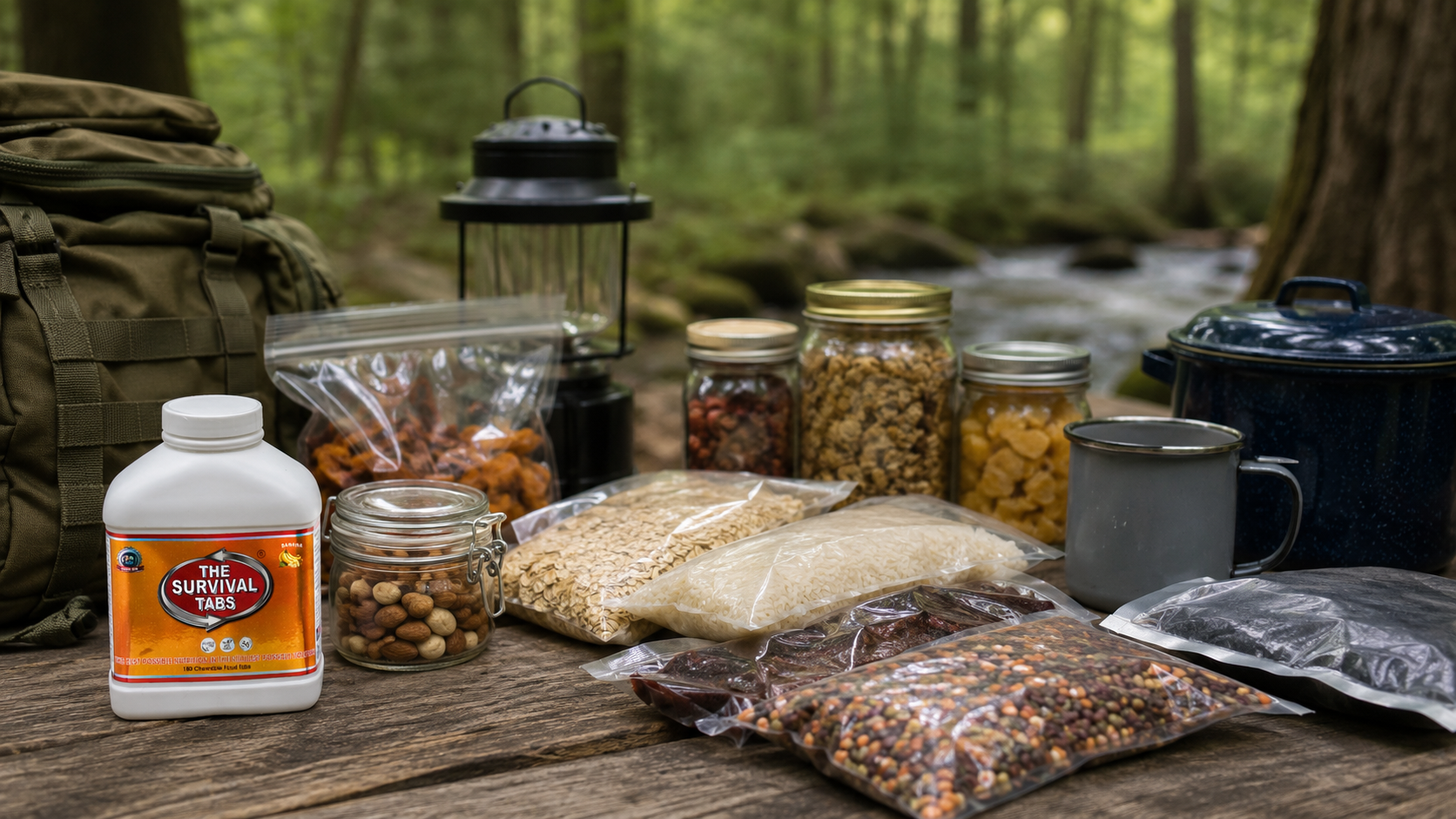
Useful choices include commercially packaged dry foods, dried fruit, nuts, crackers, shelf-stable protein sources, dry grains or meals with short cooking times, and compact emergency rations.
11. When to Discard Food
Discard food with unexpected mold, unusual odors, leaking or swollen containers, unexplained moisture in dried foods, pest contamination, or uncertain processing history. When safety is uncertain, do not rely on taste.
12. Wilderness Food Preservation Checklist
- Use tested preservation methods.
- Prefer controlled drying equipment.
- Do not assume smoked food is shelf stable.
- Do not improvise canning procedures.
- Keep preserved food dry and protected.
- Label and rotate stored foods.
- Keep safe water available.
- Discard food when safety is uncertain.
Conclusion
The most reliable wilderness food strategy begins before the trip or emergency. Preserve food under controlled conditions whenever possible, pack it well, and use research-based methods rather than improvisation.