

Wilderness First Aid Basics
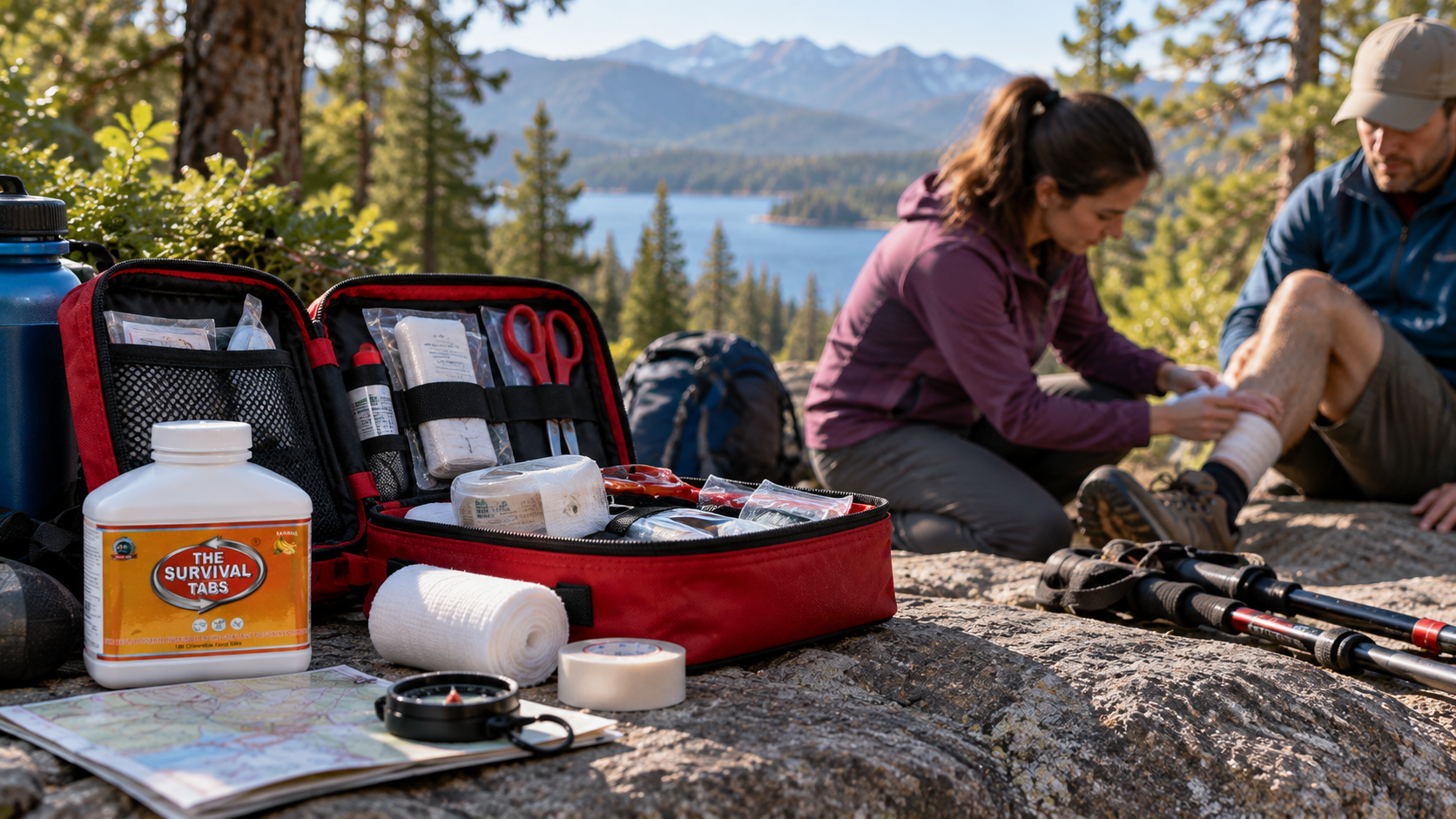
Wilderness first aid begins with prevention, scene safety, early recognition of serious problems, and getting appropriate medical help. A written guide cannot replace hands-on first-aid training or professional medical care.
Before the Trip
Tell someone where you are going and when you expect to return. Check weather and route conditions. Carry communication and navigation tools appropriate to the area, adequate water and food, needed medications, sun and insect protection, and a first-aid kit you know how to use.
Scene Safety
Before helping an injured person, look for hazards such as traffic, fire, unstable terrain, falling rocks, severe weather, water, animals, or electrical hazards. Do not create another casualty by entering an unsafe situation.
Life-Threatening Emergencies
Activate emergency services or rescue resources as soon as practical for severe bleeding, breathing problems, loss of consciousness, serious head or spine injury, major burns, severe allergic reactions, suspected poisoning, significant chest pain, stroke symptoms, serious cold or heat illness, or other potentially life-threatening conditions.
Bleeding
For significant external bleeding, use direct pressure with clean material when possible. Severe bleeding can become life threatening quickly. Follow current first-aid training and emergency-dispatch instructions.
Minor Cuts and Scrapes
Clean minor wounds with safe water, remove obvious superficial debris when it can be done easily, protect the wound with a clean dressing, and monitor for worsening pain, redness, swelling, drainage, fever, or other signs that require medical evaluation.
Blisters
Reduce friction early by adjusting footwear or socks and protecting hot spots. Keep feet as clean and dry as practical. Large, infected, unusually painful, or medically complicated blisters may require professional care.
Sprains and Suspected Fractures
Stop the activity and protect the injured area. Do not force a deformed limb back into position. Serious pain, deformity, loss of circulation or sensation, inability to bear weight, or significant trauma warrants medical evaluation and may require evacuation.
Snakebite
Move away from the snake and seek emergency medical care promptly. Keep the person calm and limit unnecessary exertion. Do not cut the wound, attempt to suck out venom, apply electric shock, or use other improvised venom-removal techniques. Follow emergency-services instructions.
Insect Bites and Stings
Move away from the exposure and monitor for a severe allergic reaction. Difficulty breathing, swelling of the face or throat, faintness, or rapidly worsening symptoms are emergencies. People prescribed emergency medication for severe allergies should follow their personal medical plan and product instructions.
Heat and Cold
Prevent heat illness with appropriate hydration, pacing, shade, clothing, and route decisions. Prevent cold injury by staying dry, adding insulation, reducing wind exposure, and recognizing early symptoms. Confusion, altered consciousness, severe weakness, or other serious symptoms require urgent help.
Evacuation Decisions
Do not let the desire to finish a trip override safety. Worsening symptoms, inability to walk safely, deteriorating weather, loss of essential supplies, or uncertainty about the seriousness of an injury are reasons to consider evacuation and professional assistance.
Training
A recognized first-aid or wilderness first-aid course provides practical skills that cannot be learned adequately from an article. Refresh training periodically and adapt the kit to trip length, group size, remoteness, and known medical needs.
Editorial note: Consolidates legacy IDs 150, 151, 153, and 154. Treatment-level medical instruction, invasive procedures, medication dosing, improvised snakebite treatments, and guarantees of safe self-treatment excluded. Qualified medical review required before publication.