Whole Foods Market does carry a variety of vegan foods, making it a popular destination for those following a plant-based diet
Whole Foods Market does carry a variety of vegan foods, making it a popular destination for those following a plant-based diet. While the store itself is not exclusively vegan, it offers an extensive selection of vegan products across various categories, including fresh produce, packaged goods, and prepared meals.
Vegan Options at Whole Foods Market
1. Prepared Foods: Whole Foods has a deli section featuring vegan options such as roasted wild mushrooms, pumpkin curry soup, and black bean quinoa chili. These ready-to-eat meals are convenient for those on the go.
2. Packaged Products: The aisles are stocked with a range of vegan items, including:
- Beyond Breakfast Sausage: A plant-based alternative to traditional sausage.
- Kite Hill Spinach and Almond Milk Ricotta Ravioli: A dairy-free pasta option.
- Field Roast Vegan Mini Corn Dogs: A tasty snack that mimics the classic corn dog experience.
3. Bakery Items: Recently, Whole Foods has introduced pre-packaged vegan baked goods, such as chocolate chip cookies and blueberry muffins, to avoid cross-contamination and ensure clear labeling.
Top Vegetables to Grow in a Survival Garden
When planning a survival garden, focus on nutrient-dense vegetables that are easy to grow and maintain:
1. Potatoes: High in carbohydrates and easy to store.
2. Sweet Potatoes: Nutritious and adaptable to various climates.
3. Kale: A hardy green that provides continuous harvests.
4. Tomatoes: Versatile and productive, great for sauces and canning.
5. Beans: Excellent source of protein and nitrogen-fixing plants.
Incorporating Companion Planting in Your Survival Garden
Companion planting can enhance your garden's productivity by pairing plants that benefit each other:
1. Tomatoes and Basil: Basil repels pests that target tomatoes while enhancing their flavor.
2. Corn, Beans, and Squash (Three Sisters): Corn provides support for beans, beans fix nitrogen in the soil, and squash suppresses weeds.
Best Practices for Growing Mushrooms for Food
Mushrooms can be a valuable addition to your survival garden:
1. Choose Edible Varieties: Start with easy-to-grow types like shiitake or oyster mushrooms.
2. Use Suitable Substrates: Grow mushrooms on materials like straw or wood chips.
3. Maintain Humidity: Ensure a moist environment for optimal growth.
Preparing Soil for a Survival Garden
Healthy soil is crucial for successful gardening:
1. Add Organic Matter: Incorporate compost or well-rotted manure to improve soil fertility.
2. Use the Double Dig Method: Break up the soil deeply to aerate it and mix in organic material.
3. Mulch: Apply mulch to retain moisture and suppress weeds.
Most Nutritious Vegetables for a Vegan Emergency Food List
Include these nutrient-dense vegetables in your emergency food supply:
1. Spinach: Packed with vitamins A, C, and K.
2. Broccoli: High in fiber and antioxidants.
3. Carrots: Rich in beta-carotene and versatile in cooking.
By focusing on these aspects of gardening and food preparation, you can create a sustainable food source that supports your survival needs while enjoying delicious vegan meals.
#WholeFoods #VeganFood #SurvivalGardening #CompanionPlanting #MushroomCultivation #EmergencyPreparedness #PlantBasedDiet
 |
 |
 |
 |
 |
|
|---|---|---|---|---|---|
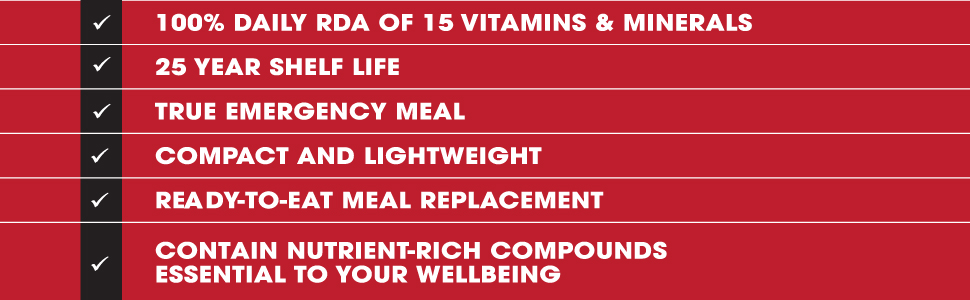
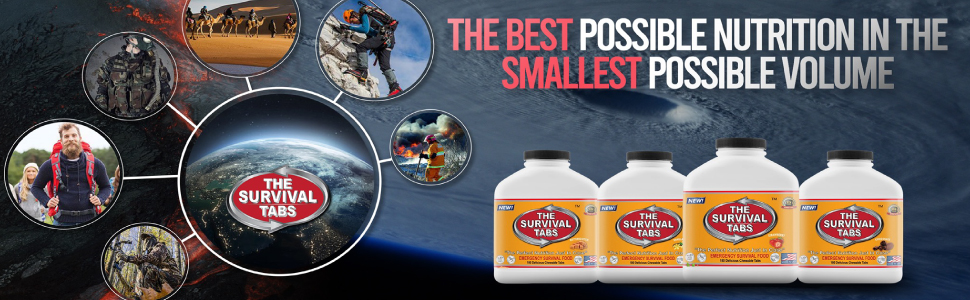
| 720 Tabs Emergency Food Survival Gluten Free and Non-GMO 25 Years Shelf Life | Food Supply 96 Tabs Emergency Food Replacement Disaster Preparedness | Ultimate Preparedness Emergency Food Supply 25 year shelf life | Emergency Food Ration Survival MREs Food Replacement | Emergency Food Survival Food Meal Replacement MREs Gluten Free and Non-GMO | |
| Day Serving | 60 days | 8 days | 120 days | 15 days | 2 days |
| Shelf-Life | 25 years | 25 years | 25 years | 25 years | 25 years |
| Non-GMO | ✓ | ✓ | ✓ | ✓ | ✓ |
| Gluten Free | ✓ | ✓ | ✓ | ✓ | ✓ |
| Tabs Amount | 720 | 96 | 1440 | 180 | 24 |