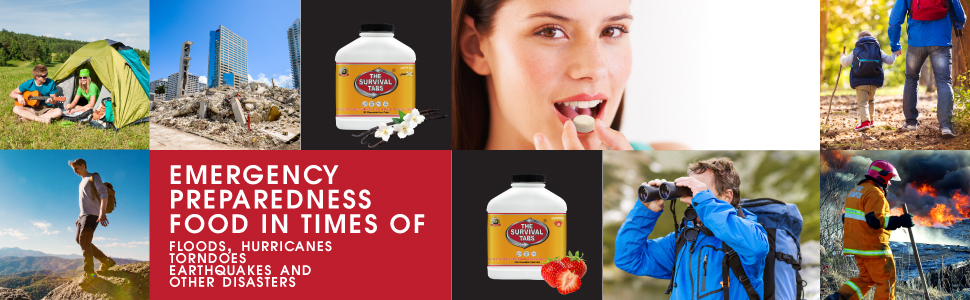
When it comes to off-grid living and emergency preparedness
#OffGridLiving #SurvivalPrep #EmergencyReadiness
When it comes to off-grid living and emergency preparedness, having the right equipment is crucial. Let's explore some key aspects of off-grid trailers, survival food, and construction materials.

Top Features for Off-Grid Trailers
When looking for an off-grid trailer, consider these essential features:
1. Rugged Construction: Look for trailers built to withstand harsh conditions[1][5].
2. Solar Power Systems: Integrated solar panels or the ability to install them is crucial for off-grid power[5].
3. Water Filtration: A reliable water filtration system ensures access to clean drinking water[5].
4. Ample Storage: Adequate storage solutions for gear and supplies are a must[5].
5. Off-Road Capabilities: Features like high ground clearance and robust suspension systems are important[9].

Bug-Out Bean vs Other Survival Trailers
The Bug-Out Bean trailer stands out with its unique features:
- Armored construction with ballistic steel cabin and bulletproof windows
- 420 Amp hours of lithium battery bank
- Starlink Roam for communication
- NBC air filtration system
Compared to other trailers like the EarthRoamer XV-LTS or the Off-Grid Pando 2.0, the Bug-Out Bean focuses more on extreme survival scenarios with its armored design[1][9].

Best Survival Food Kits
For emergency preparedness, consider these top survival food options:
1. Augason Farms Emergency Food Supply: Offers various kits ranging from 30-day to 1-year supplies[2].
2. ReadyWise Gluten-Free Options: Ideal for those with dietary restrictions[2].
3. My Patriot Supply: Provides long-term food storage options with up to 25-year shelf life[6].
Effectiveness of Survival Tabs
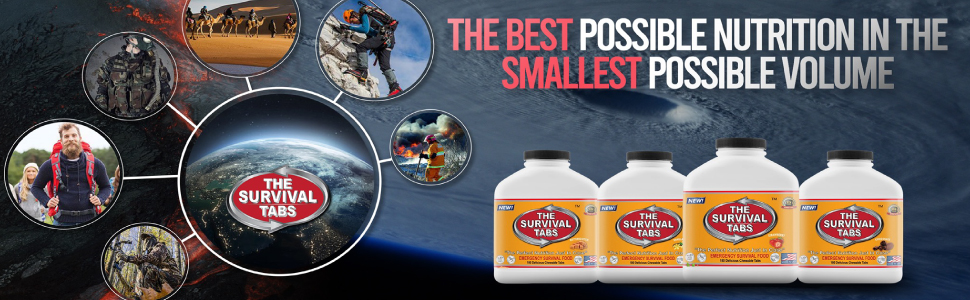
Survival Tabs are designed for extreme situations:
- Can sustain a person for 4-5 months when used exclusively[3][7].
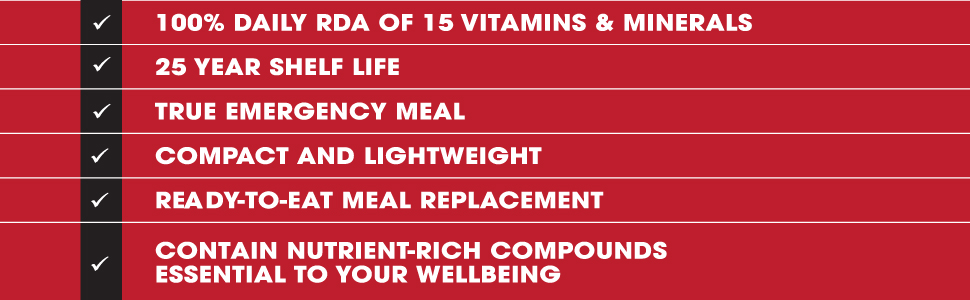
- Provide essential vitamins and minerals in a compact form[3].
- 25-year shelf life makes them ideal for long-term storage[3].
However, they are most effective when used as a supplement to other food sources rather than an exclusive diet[7].
Composite vs Metal Construction in Off-Road Trailers
Key differences between composite and metal construction:
1. Durability: Composite materials resist rot, warping, and corrosion better than traditional materials[4].
2. Weight: Composite trailers are often lighter, improving towing efficiency[4].
3. Insulation: Composite panels offer better temperature control[4].
4. Maintenance: Composite trailers generally require less maintenance over time[4].
5. Repairability: While both can be repaired, composite materials may offer unique advantages in certain situations[8].
When choosing an off-grid trailer or preparing your survival kit, consider your specific needs and the environments you'll likely encounter. Remember, the best equipment is the one that fits your unique situation and skill level.
Citations:
[9] https://www.theautopian.com/what-its-like-to-off-road-and-sleep-in-the-off-grid-trailers-pando-2-0/
 |
 |
 |
 |
 |
|
|---|---|---|---|---|---|
| 720 Tabs Emergency Food Survival Gluten Free and Non-GMO 25 Years Shelf Life | Food Supply 96 Tabs Emergency Food Replacement Disaster Preparedness | Ultimate Preparedness Emergency Food Supply 25 year shelf life | Emergency Food Ration Survival MREs Food Replacement | Emergency Food Survival Food Meal Replacement MREs Gluten Free and Non-GMO | |
| Day Serving | 60 days | 8 days | 120 days | 15 days | 2 days |
| Shelf-Life | 25 years | 25 years | 25 years | 25 years | 25 years |
| Non-GMO | ✓ | ✓ | ✓ | ✓ | ✓ |
| Gluten Free | ✓ | ✓ | ✓ | ✓ | ✓ |
| Tabs Amount | 720 | 96 | 1440 | 180 | 24 |