When exploring the wilderness, knowing how to manage blisters and other minor injuries is crucial for a safe and enjoyable experience
When exploring the wilderness, knowing how to manage blisters and other minor injuries is crucial for a safe and enjoyable experience. Here’s a comprehensive guide on treating blisters, preventing them, choosing the right footwear, and utilizing natural remedies for pain relief.

Effective Ways to Treat Blisters in the Wilderness
1. Leave It Intact:
- If the blister is small and intact, it’s best to leave it alone. The skin acts as a natural barrier against infection.
2. Clean the Area:
- If the blister breaks, gently clean the area with clean water or antiseptic wipes if available. Avoid using harsh soaps that can irritate the skin.
3. Protect the Blister:
- Cover the blister with a sterile dressing or moleskin to protect it from further friction. If using moleskin, cut a “donut hole” to fit around the blister, reducing pressure on it.
4. Natural Remedies:
- Aloe Vera: Apply aloe vera gel directly to the blister for its soothing properties and potential healing benefits [2].
- Coconut Oil: Dab melted coconut oil onto the blister to hydrate the skin and reduce irritation [8].
- Calendula: Use calendula ointment for its anti-inflammatory properties, which may help in healing [2].

How to Prevent Blisters from Forming While Hiking
1. Choose Proper Footwear:
- Invest in well-fitting hiking boots that provide support without being too tight. Ensure there’s enough room for your toes to move without hitting the front of the boot [6].
2. Break in New Boots:
- Gradually break in new boots by wearing them for short walks before taking them on longer hikes. This helps mold them to your feet and reduces friction [3].
3. Wear Moisture-Wicking Socks:
- Opt for socks made from synthetic materials or merino wool that wick moisture away from your feet, keeping them dry and reducing friction [6].
4. Pre-Tape Problem Areas:
- Apply blister prevention tape or moleskin to known friction areas before starting your hike to provide extra cushioning [6].
5. Keep Feet Dry:
- Change socks during long hikes if they become damp from sweat or water exposure. Keeping your feet dry is key to preventing blisters [3].

Best Types of Shoes for Hiking to Avoid Blisters
1. Hiking Boots:
- Look for boots with good ankle support and cushioning. Brands like Merrell, Salomon, and Lowa offer models designed for comfort over long distances.
2. Trail Runners:
- Lightweight trail running shoes can be suitable for less rugged terrain, providing breathability and flexibility while reducing weight.
3. Waterproof Options:
- Consider waterproof boots if hiking in wet conditions; however, ensure they are breathable to prevent moisture buildup inside [6].
How to Treat a Blister Without Medical Supplies
1. Drain Carefully:
- If necessary, use a sterilized needle (if available) or a clean sharp object to puncture the edge of the blister gently, allowing fluid to escape while keeping the skin intact.
2. Cover with Clean Material:
- Use any clean cloth (like a bandana or shirt) as a makeshift bandage over the blister to protect it from dirt and further friction.
3. Secure with Tape or String:
- If you have duct tape or string available, use it to secure your makeshift bandage in place until you can access proper medical supplies [7].

Home Remedies for Blister Pain Relief
1. Aloe Vera Gel: Known for its soothing properties, applying aloe vera can help relieve pain and promote healing [2][8].
2. Coconut Oil: Its moisturizing properties can ease discomfort when applied directly to the blister [8].
3. Tea Tree Oil: A few drops can be applied as it has antimicrobial properties that may help prevent infection.
4. Green Tea Compress: Brew green tea, let it cool, then soak a cloth in it and apply it as a compress on the blister for its anti-inflammatory benefits [8].
5. Petroleum Jelly: Applying petroleum jelly can reduce friction on blisters and help protect them from further irritation.
By following these guidelines on treating blisters, preventing their formation, choosing appropriate footwear, managing injuries without supplies, and utilizing natural remedies for pain relief, you can enhance your hiking experience while ensuring safety in the wilderness.
#WildernessSurvival #BlisterCare #HikingSafety #NaturalRemedies #OutdoorAdventure #FirstAid #HikingTips #FootCare
 |
 |
 |
 |
 |
|
|---|---|---|---|---|---|
| 720 Tabs Emergency Food Survival Gluten Free and Non-GMO 25 Years Shelf Life | Food Supply 96 Tabs Emergency Food Replacement Disaster Preparedness | Ultimate Preparedness Emergency Food Supply 25 year shelf life | Emergency Food Ration Survival MREs Food Replacement | Emergency Food Survival Food Meal Replacement MREs Gluten Free and Non-GMO | |
| Day Serving | 60 days | 8 days | 120 days | 15 days | 2 days |
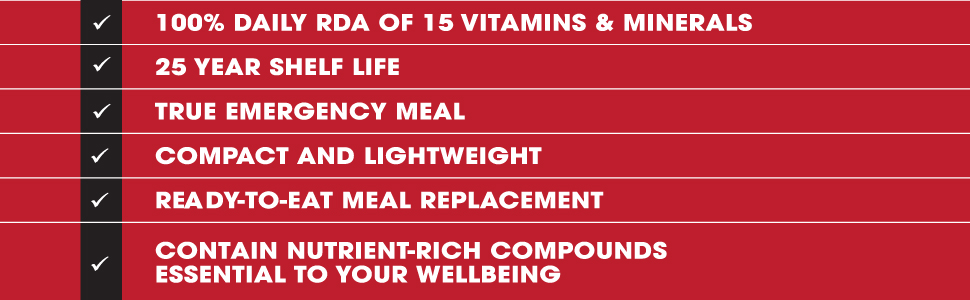
| Shelf-Life | 25 years | 25 years | 25 years | 25 years | 25 years |
| Non-GMO | ✓ | ✓ | ✓ | ✓ | ✓ |
| Gluten Free | ✓ | ✓ | ✓ | ✓ | ✓ |
| Tabs Amount | 720 | 96 | 1440 | 180 | 24 |