When exploring the wilderness, being prepared to handle injuries and health issues is essential for safety and well-being
When exploring the wilderness, being prepared to handle injuries and health issues is essential for safety and well-being. Here’s a comprehensive guide on treating blisters, managing allergic reactions, recognizing heat exhaustion, and staying hydrated during long hikes.

Effective Ways to Treat Blisters in the Wilderness
1. Leave It Intact:
- If the blister is small and not causing significant pain, it’s best to leave it intact. The skin acts as a natural barrier against infection.
2. Clean the Area:
- If the blister breaks, gently clean the area with soap and water or antiseptic wipes to prevent infection.
3. Protect the Blister:
- Cover the blister with a sterile dressing or moleskin. If using moleskin, cut a “donut hole” to fit around the blister, reducing pressure on it while protecting it from further friction.
4. Avoid Popping:
- If possible, avoid popping the blister as this can lead to infection. If it must be drained, sterilize a needle and pierce the edge of the blister, allowing fluid to escape while keeping the skin intact.
5. Monitor for Infection:
- Keep an eye on the blister for signs of infection such as increased redness, swelling, or pus. Seek medical attention if these symptoms occur.

Identifying and Treating Allergic Reactions While Hiking
Signs of Allergic Reactions
- Mild Reactions: Sneezing, itchy eyes, localized swelling or rash.
- Severe Reactions (Anaphylaxis): Swelling of the throat and mouth, difficulty breathing, rapid heartbeat, dizziness, or loss of consciousness.
Treatment Steps
1. For Mild Reactions:
- Identify and remove the allergen if possible (e.g., moving away from pollen sources).
- Take an antihistamine if available to alleviate symptoms.
- Apply a cold compress to reduce swelling at the site of contact.
2. For Severe Reactions:
- Administer an epinephrine auto-injector (EpiPen) if available.
- Call for emergency medical assistance immediately.
- Monitor the individual’s condition closely until help arrives.

Recognizing and Treating Heat Exhaustion in a Wilderness Setting
Signs of Heat Exhaustion
- Heavy sweating
- Weakness or fatigue
- Dizziness or fainting
- Nausea or vomiting
- Cool, clammy skin
Treatment Steps
1. Move to a Cooler Area: Find shade or shelter to cool down.
2. Rest: Have the affected person lie down and rest.
3. Hydrate: Encourage them to drink cool water or electrolyte drinks if they are alert enough to swallow.
4. Loosen Clothing: Remove any excess clothing to help cool down.
5. Monitor Symptoms: If symptoms do not improve within 30 minutes or worsen, seek medical attention.

Best Practices for Staying Hydrated During Long Hikes
1. Pre-Hydrate: Drink one or two cups of water before starting your hike to ensure you begin with adequate hydration levels.
2. Regular Sips: Aim to drink at least one quart of fluid per hour while hiking, especially in hot weather or during strenuous activity.
3. Electrolyte Balance: Consider alternating plain water with electrolyte-rich beverages to replenish lost minerals during long hikes.
4. Monitor Urine Color: A light yellow color indicates proper hydration; dark urine suggests dehydration.
5. Plan Water Stops: Identify reliable water sources along your route and plan breaks accordingly to refill your water supply when needed.
By being equipped with knowledge about treating blisters, managing allergic reactions, recognizing heat exhaustion symptoms, and maintaining hydration during hikes, you can enhance your safety and enjoyment in wilderness settings.
#WildernessSurvival #FirstAid #HikingSafety #BlisterCare #AllergicReactions #HeatExhaustion #StayHydrated #OutdoorAdventure
 |
 |
 |
 |
 |
|
|---|---|---|---|---|---|
| 720 Tabs Emergency Food Survival Gluten Free and Non-GMO 25 Years Shelf Life | Food Supply 96 Tabs Emergency Food Replacement Disaster Preparedness | Ultimate Preparedness Emergency Food Supply 25 year shelf life | Emergency Food Ration Survival MREs Food Replacement | Emergency Food Survival Food Meal Replacement MREs Gluten Free and Non-GMO | |
| Day Serving | 60 days | 8 days | 120 days | 15 days | 2 days |
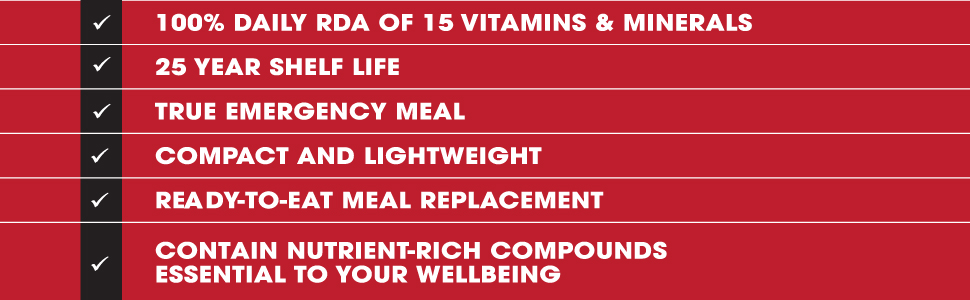
| Shelf-Life | 25 years | 25 years | 25 years | 25 years | 25 years |
| Non-GMO | ✓ | ✓ | ✓ | ✓ | ✓ |
| Gluten Free | ✓ | ✓ | ✓ | ✓ | ✓ |
| Tabs Amount | 720 | 96 | 1440 | 180 | 24 |