What Are the Essential Items to Include in a Long-Term Survival Kit
Preparing for emergencies is vital, especially when planning for long-term survival. A well-stocked survival kit can be a lifesaver in situations like power outages, natural disasters, or living off-grid in a log cabin. Here's a breakdown of the essentials:

1. Food and Nutrition
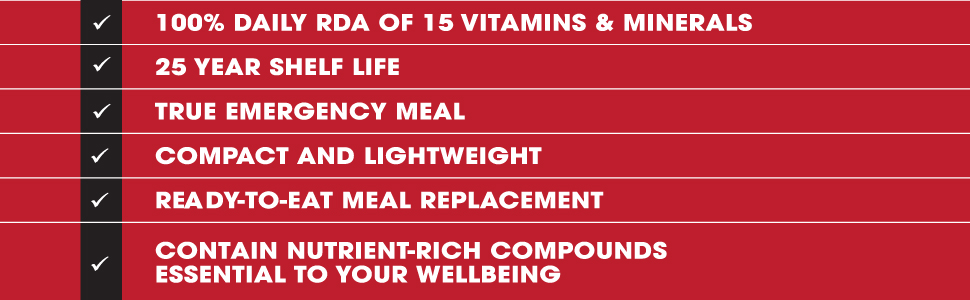
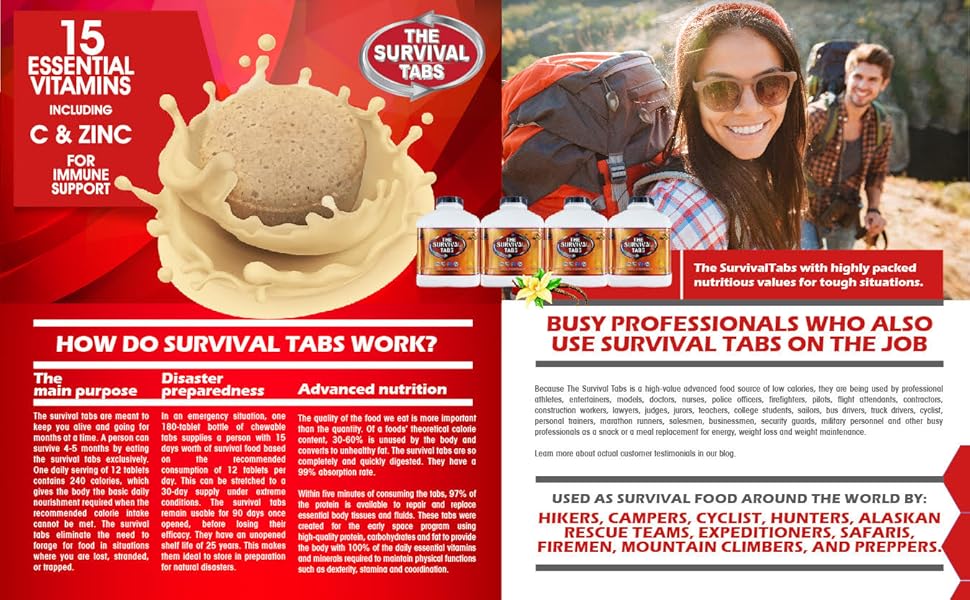
- Survival Tabs: Compact, nutrient-dense food with a 25-year shelf life. They can sustain life for up to 4-5 months as a sole food source but are best used alongside other foods for optimal nutrition[2][7].
- Non-perishable food: Canned goods, freeze-dried meals, and high-calorie snacks.
- Cooking tools: Portable camping stove and utensils.
2. Water and Purification
- Store at least one gallon of water per person per day (two-week supply recommended for home use)[6].
- Include water purification tablets or portable water filters to ensure potable water[1][6].
3. First Aid and Medications
- A comprehensive first aid kit with bandages, antiseptics, and pain relievers.
- Prescription medications and medical supplies like syringes or hearing aid batteries[6].

4. Tools and Equipment
- Multi-tool or Swiss Army knife.
- Fire-starting tools like waterproof matches, magnesium fire starters, or lighters[1].
- Axes, saws, and drawknives for log cabin maintenance or building[8].
5. Power and Lighting
- Flashlights with extra batteries or hand-crank alternatives.
- Solar chargers and battery power banks to keep devices operational during blackouts[5][9].
How Can I Ensure My Survival Kit Remains Effective Over Time?
Maintaining your survival kit is as important as assembling it. Follow these practices to keep your kit functional:
1. Rotate Supplies: Replace expired food items annually and consume older supplies to avoid waste[10].
2. Check Batteries: Test flashlights, radios, and other battery-powered devices regularly. Store batteries in a cool, dry place and replace them every few years[5].
3. Inspect Tools: Familiarize yourself with all tools in your kit and ensure they are in working condition. Replace ineffective tools with better alternatives[10].
4. Update Seasonally: Adjust clothing and gear for seasonal needs (e.g., winter coats vs. summer wear)[10].

What Are Some Innovative Tools for Survival in a Log Cabin?
Living in a log cabin requires specialized tools for survival and maintenance:
- Chainsaw: For cutting logs efficiently[8].
- Adze and chisels: For shaping wood during repairs or construction[8].
- Solar-powered devices: Radios, flashlights, or chargers that eliminate dependency on traditional power sources during blackouts[9].
- Log carriers: To safely transport heavy logs for firewood or construction purposes[8].
How Do I Prepare for a Blackout Situation in My Home?
Blackouts can happen unexpectedly. Here's how to prepare:
1. Build an emergency preparedness kit with flashlights, batteries, cash, first aid supplies, and non-perishable food items[9].
2. Use solar or crank-powered devices to maintain communication and lighting.
3. Keep your car's gas tank full; gas stations may not operate during power outages[9].
4. Freeze water bottles to keep food cold longer if refrigeration fails.
Best Practices for Maintaining a Survival Kit
To ensure your survival kit is always ready:
- Store it in a cool, dry place away from sunlight.
- Use airtight containers to protect items from moisture and pests.
- Replenish water supplies every six months.
- Regularly review your emergency plan with family members to ensure everyone knows how to use the kit effectively[10].
By following these guidelines, you’ll be prepared for emergencies while ensuring peace of mind.
#SurvivalKitEssentials #EmergencyPreparedness #LongTermSurvival #SurvivalTabs #BlackoutReady #LogCabinLiving #OffGridSurvival #SelfReliance #PreparednessTips
***Statements regarding dietary supplements have not been evaluated by the FDA and are not intended to diagnose, treat, cure, or prevent any disease or health condition.***
 |
 |
 |
 |
 |
|
|---|---|---|---|---|---|
| 720 Tabs Emergency Food Survival Gluten Free and Non-GMO 25 Years Shelf Life | Food Supply 96 Tabs Emergency Food Replacement Disaster Preparedness | Ultimate Preparedness Emergency Food Supply 25 year shelf life | Emergency Food Ration Survival MREs Food Replacement | Emergency Food Survival Food Meal Replacement MREs Gluten Free and Non-GMO | |
| Day Serving | 60 days | 8 days | 120 days | 15 days | 2 days |
| Shelf-Life | 25 years | 25 years | 25 years | 25 years | 25 years |
| Non-GMO | ✓ | ✓ | ✓ | ✓ | ✓ |
| Gluten Free | ✓ | ✓ | ✓ | ✓ | ✓ |
| Tabs Amount | 720 | 96 | 1440 | 180 | 24 |