

Urban Emergency Preparedness Guide
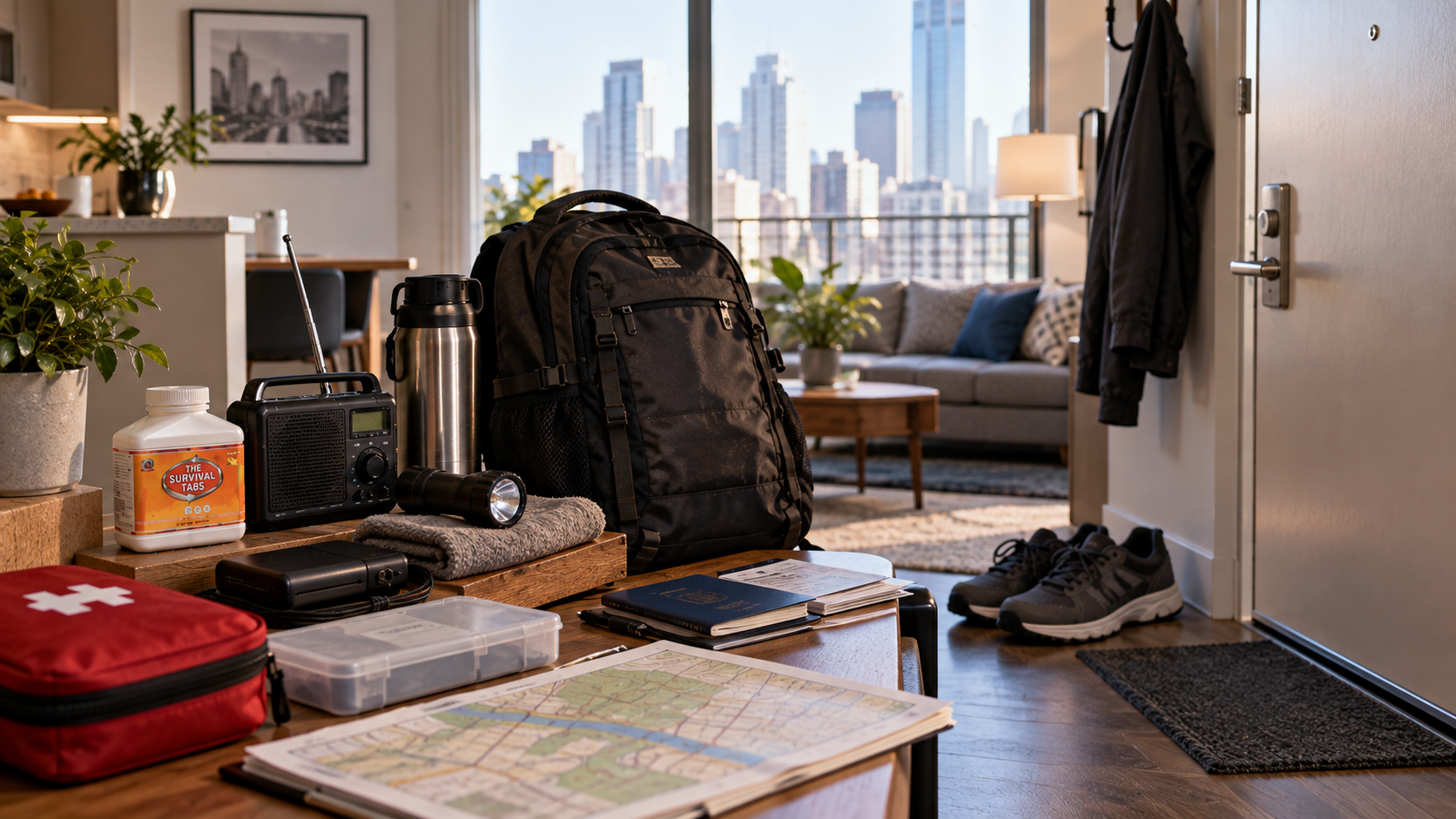
Knowledge Center ID: ST-KC-102
Quick answer: Urban preparedness focuses on keeping essential needs available, understanding your building, planning transportation alternatives, maintaining backup communication, and knowing when to shelter or evacuate.
<!-- IMAGE:IMG-ST-KC-102-01 -->
Urban Preparedness Is Mostly About Systems
Cities provide dense networks of power, water, transportation, communications, healthcare, elevators, stores, and public services. That convenience also means one disruption can affect many people at once.
Urban preparedness should focus on maintaining essential needs for a reasonable period, knowing how to leave safely, and having alternatives when elevators, transit, mobile networks, or stores are unavailable.
Know Your Building
Learn exits, stairwells, fire alarms, utility shutoffs residents are authorized to use, building management contacts, and assembly areas. Do not depend on elevators during fires or when building officials say they are unsafe.
Apartment residents should know whether windows open, where smoke can enter, and whether the building has emergency power for common areas or life-safety systems.
<!-- IMAGE:IMG-ST-KC-102-02 -->
Keep Supplies Compact and Accessible
Urban households often have limited storage. Prioritize water, ready-to-eat food, medications, lighting, communications, hygiene, first aid, chargers, and copies of essential documents. Use containers that fit safely under beds, on closet shelves, or in other dry accessible locations.
Keep a smaller evacuation bag ready so you do not have to carry the entire household supply.
Transportation Alternatives
Identify several ways to reach important destinations: walking routes, public transit alternatives, rides from trusted contacts, and designated evacuation routes. Keep comfortable shoes and a paper map.
Never walk through floodwater, enter restricted areas, or use tunnels, bridges, or transit systems authorities have closed.
<!-- IMAGE:IMG-ST-KC-102-03 -->
Communication During Congestion
Text messages may sometimes get through when voice calls are congested, but no method is guaranteed. Establish an out-of-area contact, meeting locations, and a plan for household members who work or attend school in different parts of the city.
Keep a battery radio for official updates when internet or mobile service is unreliable.
Air Quality, Heat, and Power
Urban outages can quickly affect elevators, air conditioning, refrigeration, traffic signals, and building water pressure. During extreme heat, identify public cooling locations and do not rely on a high-rise apartment remaining comfortable without power.
For smoke or hazardous air, follow local public-health instructions and reduce outdoor exposure when advised.
Personal Safety Without Confrontation
Preparedness is not about turning a home into a fortress. Avoid conflict, follow official closures and evacuation routes, maintain situational awareness, and prioritize moving away from unsafe areas. Do not investigate disturbances or damaged infrastructure.
Keep valuables and documents secure, but focus primarily on communication, mobility, and access to essential services.
Urban Preparedness Checklist
- Learn building exits and stairwells.
- Store compact water, food, medication, lighting, and chargers.
- Keep an evacuation bag and comfortable shoes.
- Maintain paper contacts and maps.
- Identify alternate transportation.
- Plan for elevator outages.
- Know cooling, warming, shelter, and medical locations.
- Follow official alerts and avoid restricted areas.
- Include pets and accessibility needs.
Frequently Asked Questions
How much should I store in a small apartment?
Store what fits safely and can be rotated, prioritizing water, food, medication, lighting, communication, and hygiene.
Should I plan to stay or leave?
Plan for both. Some emergencies require sheltering in place; others require evacuation.
What if I live on a high floor?
Plan for stair access, medication and mobility needs, elevator outages, and communication with building management.
Is urban preparedness different from survivalism?
Practical urban preparedness emphasizes ordinary household continuity, official information, safe evacuation, and community support rather than confrontation or isolation.
Related Knowledge Center Topics
Apartment Emergency Preparedness Guide; Power Outage Preparedness Guide; Emergency Radio and Communication Guide; Family Emergency Preparedness Guide; Emergency Shelter Basics.
SEO and Publishing Package
SEO title: Urban Emergency Preparedness Guide
Meta description: Prepare for urban outages and emergencies with compact supplies, building knowledge, evacuation routes, transportation backups, communication, and safe shelter planning.
Suggested URL: /blogs/knowledge-center/urban-emergency-preparedness-guide
Suggested schema: Article with FAQPage markup where supported and validated.
Manual Image Plan
IMG-ST-KC-102-01
Placement: Featured
Prompt: Modern apartment emergency preparedness scene with compact organized supplies, backpack, radio and comfortable shoes near a doorway, realistic city home, calm, no text.
Alt text: Compact emergency supplies organized in an urban apartment.
IMG-ST-KC-102-02
Placement: After “Know Your Building”
Prompt: Clean apartment-building interior showing a clearly visible stairwell and exit route with resident calmly carrying a small emergency bag, no readable signs or text.
Alt text: Resident using a building stairwell as part of an evacuation plan.
IMG-ST-KC-102-03
Placement: After “Transportation Alternatives”
Prompt: Urban preparedness scene with paper city map, walking shoes, transit card, power bank and small backpack on a table, no logos, no text.
Alt text: Simple urban evacuation and transportation planning items.
Official Sources
Ready.gov — Plan: https://www.ready.gov/plan
Ready.gov — Evacuation: https://www.ready.gov/evacuation
Ready.gov — Power Outages: https://www.ready.gov/power-outages
Editorial note: This guide is educational and does not replace building, transit, law-enforcement, public-health, utility, or emergency-management instructions.