

Thunderstorm and Lightning Preparedness Guide
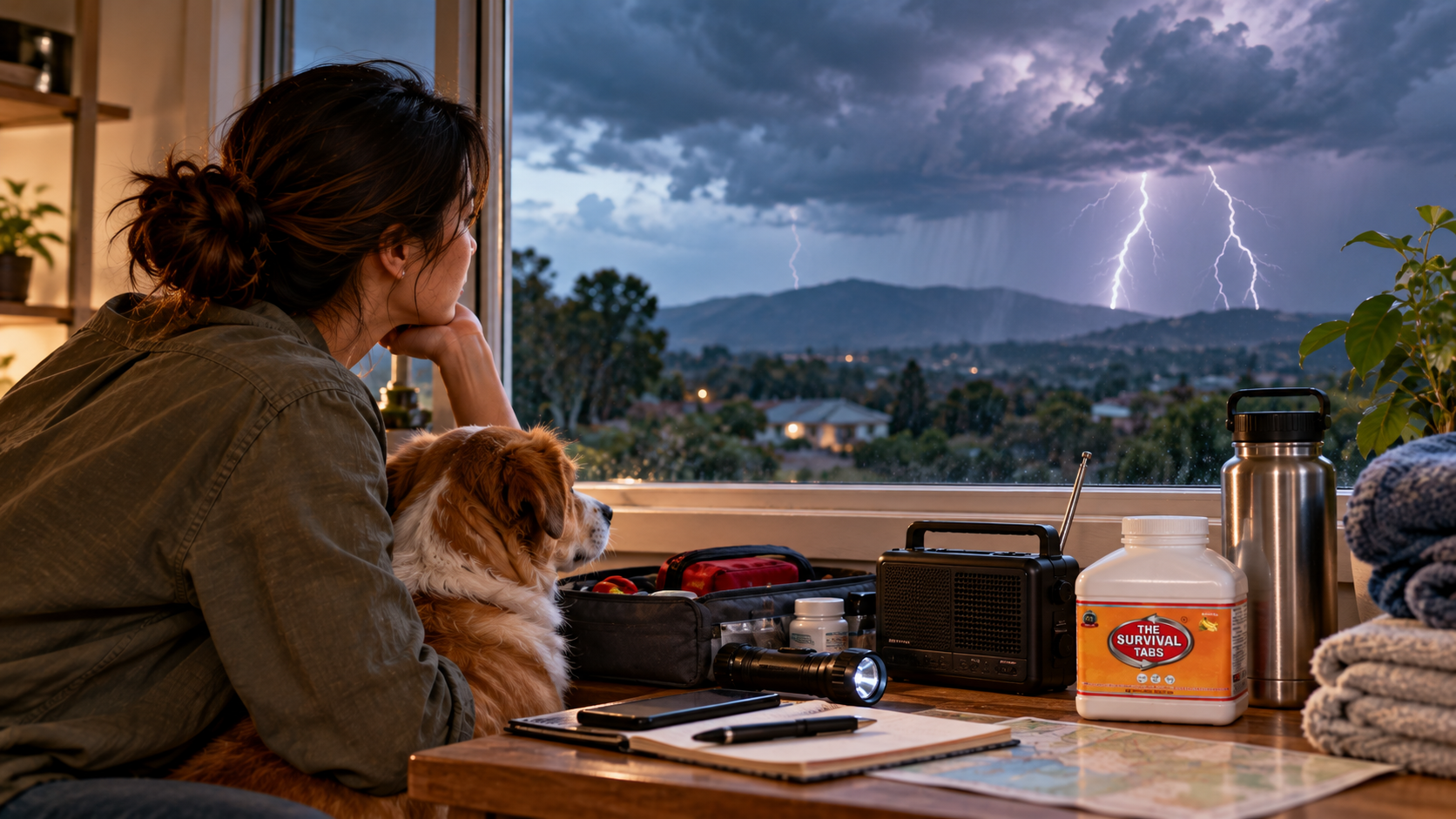
Quick answer: When thunder is heard, move promptly to a substantial building or hard-topped enclosed vehicle. Avoid open shelters, isolated trees, water, and conductive equipment, and wait for conditions to pass according to official guidance.
Monitor official forecasts
Know the difference between a watch and a warning used by your local weather service. Enable more than one alert method and check conditions before outdoor work, sports, camping, boating, or travel.
Choose safer shelter
A substantial building is preferred. A hard-topped enclosed vehicle can provide protection when a building is unavailable. Picnic shelters, tents, porches, dugouts, isolated trees, and open structures do not provide reliable lightning protection.
Plan for connected hazards
Thunderstorms can bring flash flooding, hail, damaging wind, tornadoes, wildfire ignition, and outages. Charge devices, secure suitable outdoor items before conditions worsen, and keep flashlights, water, medication, and communication backups ready.
During the storm
Stay away from windows and avoid unnecessary contact with plumbing, corded electrical equipment, and concrete that may contain conductive materials. Do not enter flooded roads. Keep pets inside and follow evacuation or shelter instructions.
After the storm
Wait before resuming outdoor activity according to current weather guidance. Avoid fallen trees, unstable structures, floodwater, and downed lines. Treat every downed line as energized and report it to authorities.
Quick checklist
- Follow current official alerts and local instructions.
- Include medications, accessibility, children, older adults, pets, and transport needs.
- Keep essential contacts and records available offline.
- Review supplies and plans after every major change or event.
Frequently asked questions
Is a tent safe from lightning?
No. A tent does not provide lightning protection. Move to a substantial building or enclosed hard-topped vehicle when possible.
Can lightning strike away from rain?
Yes. Do not use local rainfall as the only measure of lightning risk; follow alerts and thunder.
Official sources
- Ready.gov — Thunderstorms and Lightning: https://www.ready.gov/thunderstorms-lightning
- National Weather Service Lightning Safety: https://www.weather.gov/safety/lightning
This guide provides general preparedness education. Current local instructions, product labels, and qualified professional guidance take priority.