

Tent Selection Guide
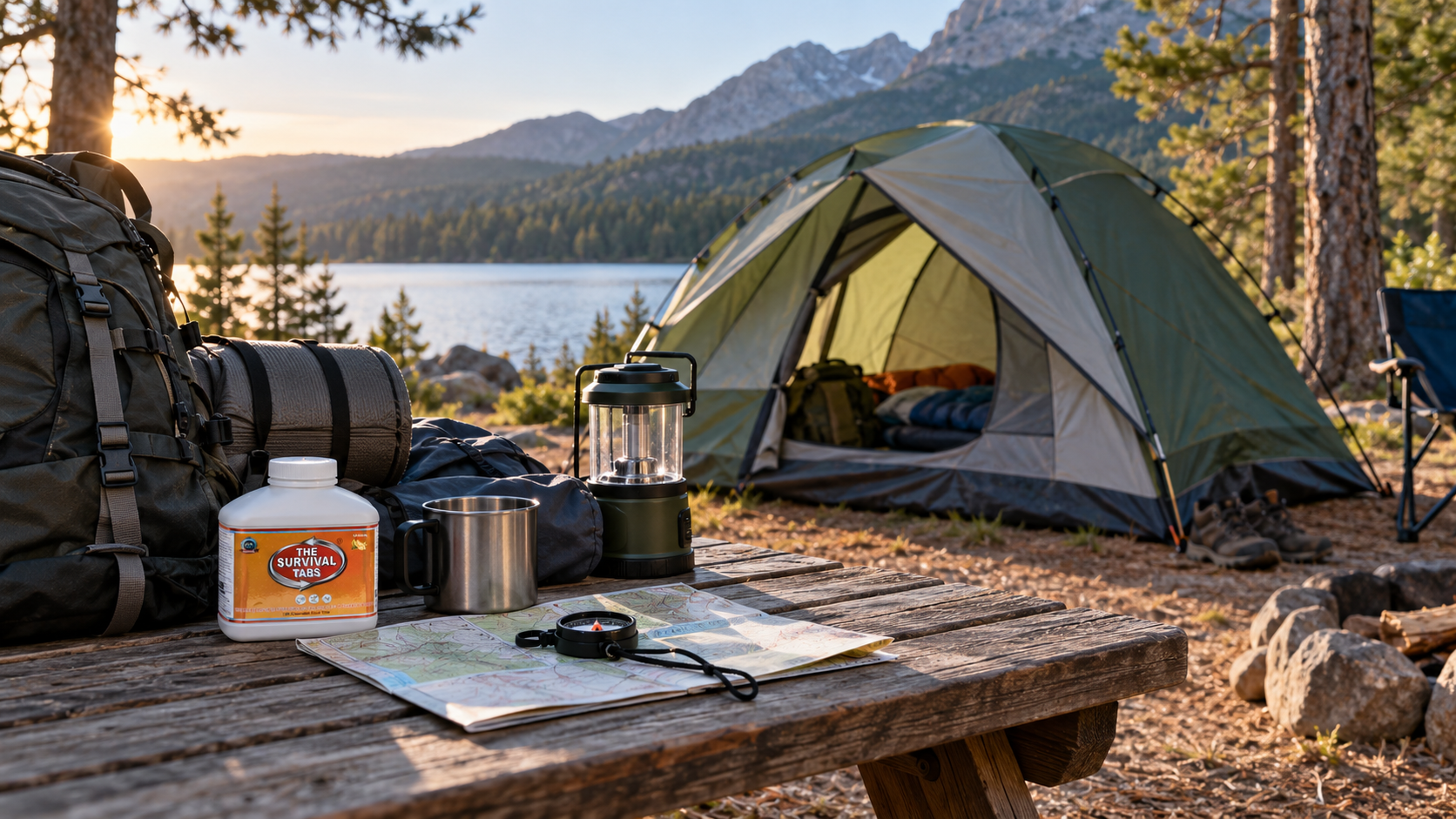
A tent is temporary shelter from weather, insects, and exposure. The right tent depends on where it will be used, expected weather, number of occupants, transportation method, and whether the priority is lightweight travel, family camping, or emergency backup shelter.
Start With the Use Case
Backpacking: weight and packed size matter because the shelter is carried.
Car camping: weight matters less, so additional interior space and comfort may be practical.
Family camping: prioritize usable floor area, ventilation, weather protection, and simple setup.
Emergency backup: prioritize reliability, familiar setup, compact storage, and suitability for likely local conditions.
Capacity
Manufacturer person ratings can be tight. Consider occupants, sleeping pads, mobility needs, pets, and essential gear. A household may prefer extra capacity when weight is not a major constraint.
Season Ratings
Three-season tents are generally designed for common spring, summer, and fall conditions. More specialized shelters may be designed for stronger winds, snow loading, or severe cold. A label alone does not guarantee safety in extreme weather; site selection and actual conditions remain critical.
Weather Protection
Look at the rainfly coverage, floor construction, seam design, vestibules, stake points, and ventilation. Practice installing the rainfly and guy lines before a trip. Even a well-designed tent can fail if poorly pitched or placed in an exposed or hazardous location.
Ventilation and Condensation
People release moisture while breathing, so condensation can occur even when a tent is waterproof. Use available vents and mesh while maintaining needed weather protection. Keep wet equipment away from sleeping insulation when possible.
Site Selection
Avoid dead trees and branches, drainage channels, flood-prone depressions, unstable slopes, exposed ridges during storms, and areas subject to falling rocks or other obvious hazards. Follow campground and land-management rules.
Wind
Orient and secure the tent according to manufacturer instructions. Use appropriate stakes and guy lines for the ground conditions. If forecasts exceed the shelter's practical limits, move to a safer structure rather than depending on the tent.
Cold Weather
A tent reduces wind and precipitation exposure but is not a heating system. Warmth depends heavily on clothing, sleeping bags, and insulated sleeping pads. Never use grills, charcoal, generators, or other unsafe combustion equipment inside a tent. Carbon monoxide can accumulate rapidly.
Fire Safety
Keep open flames and ignition sources away from tent fabric. Never use fuel-burning stoves, heaters, lanterns, grills, or charcoal inside a tent or enclosed vestibule. Follow manufacturer and land-manager instructions in a safe outdoor location.
Before Depending on a Tent
• Set it up at home.
• Check poles, clips, zippers, stakes, and guy lines.
• Confirm all components are present.
• Learn how to pitch it in rain or wind.
• Dry it fully before long-term storage.
• Repair damage before the next trip.
Emergency Role
A tent can be useful when evacuation, travel, or outdoor conditions require temporary shelter, but a safe building or designated emergency shelter is usually preferable during severe weather when available.
Editorial note: Replaces legacy ID 147. Product rankings and universal “best tent” claims excluded. The guide focuses on selection criteria, safe use, weather limits, and emergency relevance.