Surviving the Heat: Essential Tips for Coping and Prepping Amidst Extreme Temperatures

Understanding the Heat Dome Phenomenon
A heat dome occurs when a high-pressure system traps warm air, causing temperatures to soar and persist for extended periods. This phenomenon has led to dangerously high temperatures across the southern United States, with cities like Phoenix and El Paso experiencing prolonged streaks of extreme heat[1][4]. The implications of such heat waves are far-reaching, affecting everything from public health to food security.
Coping with Extreme Heat
Stay Hydrated and Cool
- Hydration: Drink plenty of water throughout the day to prevent dehydration. Avoid caffeinated and alcoholic beverages, which can exacerbate dehydration.
- Cooling Centers: Utilize public cooling centers if your home lacks air conditioning. These centers provide a safe refuge from the heat.
- Shade and Ventilation: Stay indoors during peak heat hours (10 a.m. to 4 p.m.). Use fans and air conditioning to maintain a cool environment[4].
- Check on Neighbors: Regularly check on elderly neighbors, children, and those with health conditions, as they are more susceptible to heat-related illnesses.
- Pets: Ensure pets have access to water and shade. Never leave them in parked vehicles, as temperatures can rise rapidly[3].

Understanding the Danger Zone
Food safety becomes a critical concern during heat waves. The "danger zone" for food safety is between 40°F and 140°F, where bacteria can multiply rapidly, increasing the risk of foodborne illnesses[2][5].
Tips for Keeping Food Safe
- Use Coolers and Ice Packs: Transport perishable foods in insulated coolers with ice packs. Keep coolers in shaded areas to maintain low temperatures.
- Serve Hot Foods Immediately: Serve foods directly off the grill to minimize time in the danger zone.
- Limit Exposure Time: Do not leave perishable foods out for more than one hour if temperatures exceed 90°F. When in doubt, discard any questionable items[2][5].
- Non-Perishable Options: Stock up on non-perishable items such as jerky, crackers, canned goods, and trail mix. These can withstand high temperatures without spoiling.
- Emergency Supplies: Ensure you have a sufficient supply of bottled water, canned foods, and other essentials to last through potential power outages or food shortages[5].

Assessing and Restocking Supplies
- Evaluate Food Stocks: After a heat wave, assess your food supplies and discard any items that may have been compromised by the heat.
- Restock Essentials: Replenish your emergency supplies, focusing on non-perishable items and water.
- Reflect on Experiences: Analyze what worked well and what could be improved in your heat wave preparedness plan.
- Community Involvement: Engage with community groups to share resources and strategies for future heat events.
Trending Hashtags for Awareness
As awareness and preparedness are crucial, consider using trending hashtags to spread information and tips on social media:
- #HeatWavePrep
- #StayCoolStaySafe
- #FoodSafetyInHeat
- #HydrateToSurvive
- #HeatDomeAwareness
By leveraging these hashtags, you can contribute to a broader conversation about coping with extreme heat and ensuring food safety during such challenging times.
The ongoing heat waves across the United States underscore the importance of effective coping and prepping strategies. By understanding the heat dome phenomenon, prioritizing hydration and cooling, ensuring food safety, and engaging with community efforts, individuals can better navigate these extreme conditions. Stay informed, stay prepared, and stay safe as we collectively face the challenges posed by these unprecedented temperatures.
***Statements regarding dietary supplements have not been evaluated by the FDA and are not intended to diagnose, treat, cure, or prevent any disease or health condition.***
 |
 |
 |
 |
 |
|
|---|---|---|---|---|---|
| 720 Tabs Emergency Food Survival Gluten Free and Non-GMO 25 Years Shelf Life | Food Supply 96 Tabs Emergency Food Replacement Disaster Preparedness | Ultimate Preparedness Emergency Food Supply 25 year shelf life | Emergency Food Ration Survival MREs Food Replacement | Emergency Food Survival Food Meal Replacement MREs Gluten Free and Non-GMO | |
| Day Serving | 60 days | 8 days | 120 days | 15 days | 2 days |
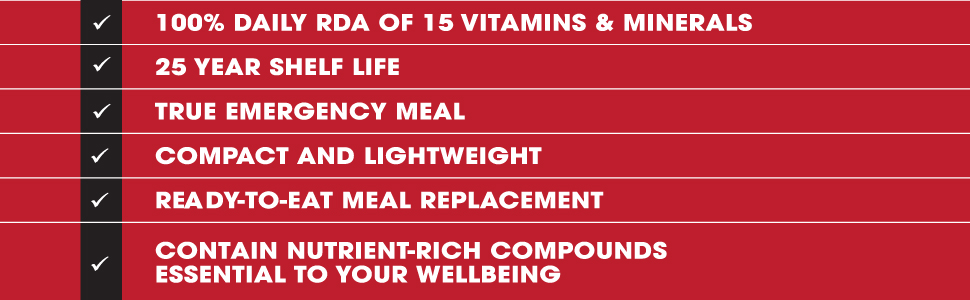
| Shelf-Life | 25 years | 25 years | 25 years | 25 years | 25 years |
| Non-GMO | ✓ | ✓ | ✓ | ✓ | ✓ |
| Gluten Free | ✓ | ✓ | ✓ | ✓ | ✓ |
| Tabs Amount | 720 | 96 | 1440 | 180 | 24 |