Surviving in a bunker after a nuclear event requires careful planning and preparation
Surviving in a bunker after a nuclear event requires careful planning and preparation. Let's explore essential aspects of bunker life, including food supplies, water management, electricity generation, sustainable gardening, and medical preparedness.

Essential Food Supplies for Bunker Survival
When stocking your bunker with food, focus on long-lasting, nutritious options:
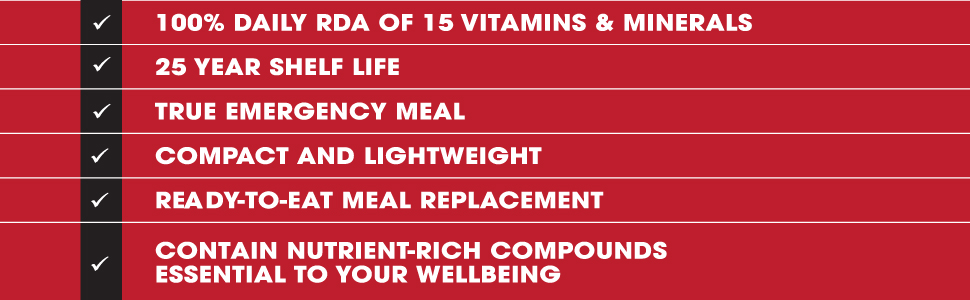
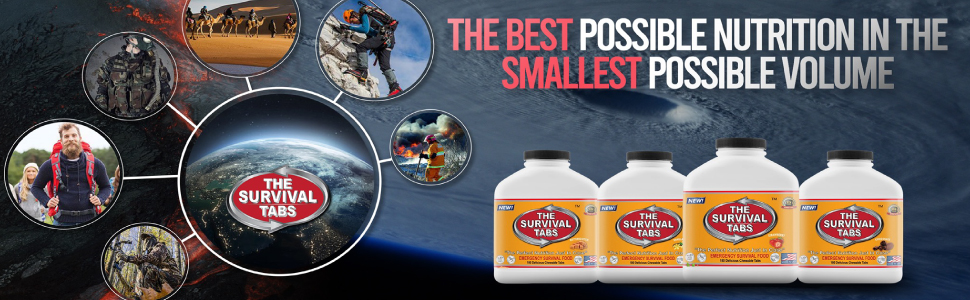
1. Survival Tabs: Compact, nutrient-dense, and with a 25-year shelf life
2. MREs (Meals Ready to Eat): Ideal for the initial stressful period
3. Emergency food buckets: Provide variety and easy preparation
4. Bulk staples: Rice, pasta, flour, and dried beans
5. Canned foods: Long shelf life and variety
6. Salt: Essential for preserving food and maintaining health
7. Cooking oils: Necessary for food preparation
8. Vitamins and supplements: To fill nutritional gaps
9. Comfort foods and snacks: For morale boost

Ensuring a Steady Water Supply
Water is crucial for survival. Here's how to maintain a reliable supply:
- Store at least one gallon per person per day for two weeks minimum
- Use sealed, opaque containers to prevent contamination
- Consider portable containers like five-gallon jerrycans for easy handling
- Implement a water filtration and purification system
- Collect and treat rainwater if possible
Generating Electricity in a Bunker
Reliable power is essential for long-term bunker living:
1. Solar generators: Efficient and sustainable for long-term use
2. Battery banks: Store energy for use during non-generating hours
3. Hand-crank generators: For emergency backup power
4. Fuel cells: Provide consistent power with proper fuel storage
5. Biomass systems: If you have access to organic materials
Creating a Sustainable Gardening System
Growing food inside your bunker ensures a long-term fresh food supply:
- Implement hydroponic or aeroponic systems to maximize space
- Use vertical farming techniques to increase yield in limited areas
- Install LED grow lights, such as Spectrum AP673L LEDs, for optimal plant growth
- Create a composting system to recycle organic waste into nutrients
- Implement a water recycling system for your garden

Essential Medical Supplies
A well-stocked medical kit is crucial for bunker survival:
1. First aid kit with bandages, gauze, and antiseptics
2. Prescription medications (if needed) with extended expiration dates
3. Over-the-counter pain relievers and anti-inflammatory drugs
4. Antibiotics (consult with a doctor for appropriate options)
5. Radiation sickness treatments like Potassium Iodide tablets
6. Burn treatments and wound care supplies
7. Emergency dental kit
8. Basic surgical supplies for minor procedures
By incorporating these elements into your bunker preparation, you'll be better equipped to face the challenges of post-nuclear survival. Remember, thorough planning and regular maintenance of your supplies are key to ensuring your bunker remains a safe haven during extreme circumstances.
#NuclearSurvival #BunkerPrep #SurvivalTabs #OffGridLiving #EmergencyPreparedness #SustainableBunker #FalloutShelter #SelfReliance
 |
 |
 |
 |
 |
|
|---|---|---|---|---|---|
| 720 Tabs Emergency Food Survival Gluten Free and Non-GMO 25 Years Shelf Life | Food Supply 96 Tabs Emergency Food Replacement Disaster Preparedness | Ultimate Preparedness Emergency Food Supply 25 year shelf life | Emergency Food Ration Survival MREs Food Replacement | Emergency Food Survival Food Meal Replacement MREs Gluten Free and Non-GMO | |
| Day Serving | 60 days | 8 days | 120 days | 15 days | 2 days |
| Shelf-Life | 25 years | 25 years | 25 years | 25 years | 25 years |
| Non-GMO | ✓ | ✓ | ✓ | ✓ | ✓ |
| Gluten Free | ✓ | ✓ | ✓ | ✓ | ✓ |
| Tabs Amount | 720 | 96 | 1440 | 180 | 24 |