

Complete Guide to Emergency Food
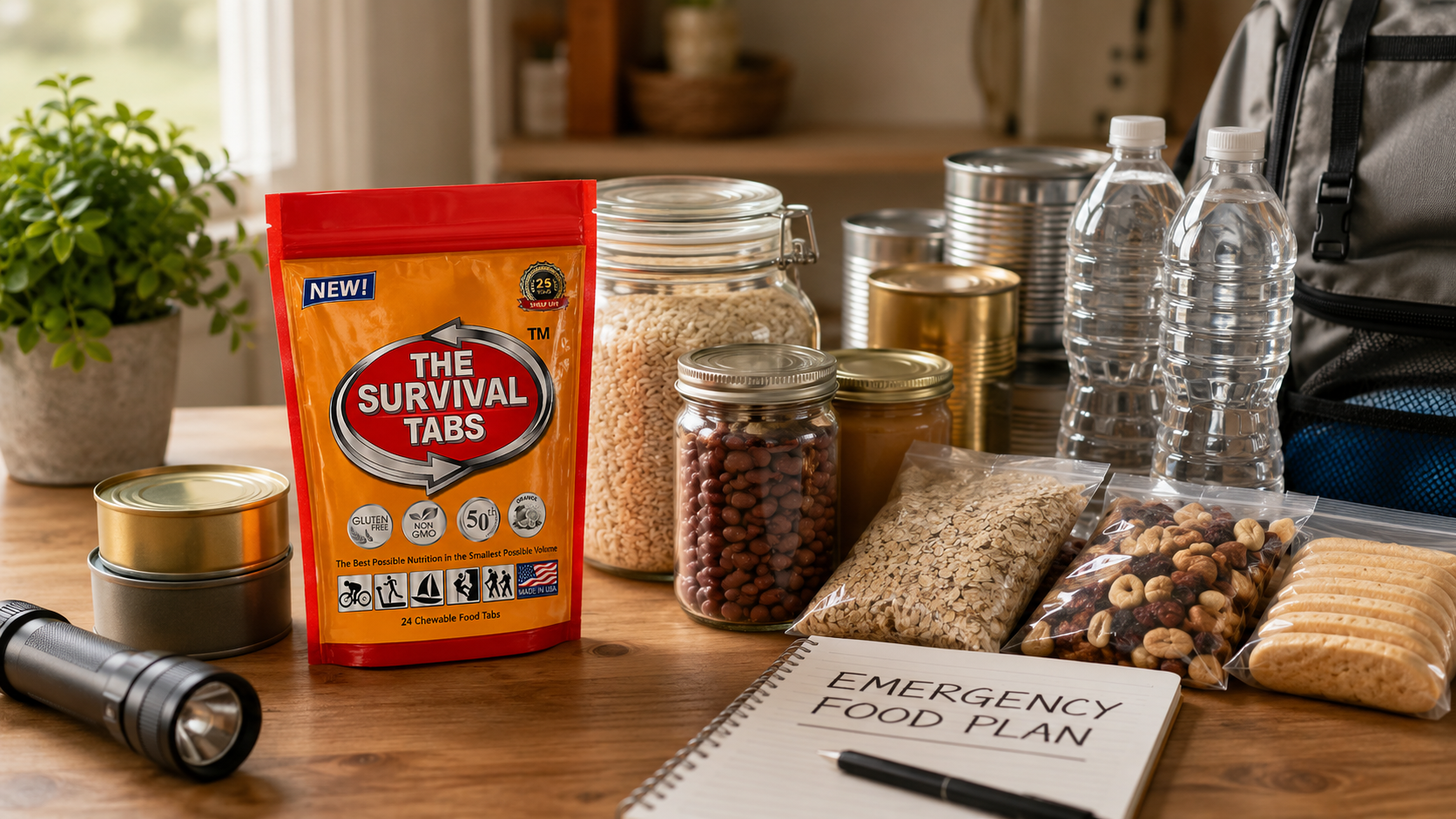
Emergency food is food kept specifically for times when normal shopping, cooking, refrigeration, transportation, or utilities may be disrupted. A practical supply should help a household stay fed during common disruptions such as storms, power outages, evacuation, illness, transportation delays, or temporary shortages.
The goal is not to build a dramatic “survival stash.” The goal is to create a dependable, organized food reserve that matches your household, storage space, budget, dietary needs, and likely emergencies.
1. Start with the emergencies most likely to affect you
Before buying food, identify the disruptions you are preparing for. A short power outage requires a different plan from an evacuation or a multiweek supply interruption.
Consider:
• How long local outages commonly last
• Whether you may need to evacuate
• Whether your home depends on electricity for cooking or water
• How often roads, stores, or deliveries are disrupted
• The needs of children, older adults, pets, and anyone with a medical diet
• The climate and temperature of your storage area
For many households, a useful progression is:
• Three days of food that requires little or no preparation
• One to two weeks of shelf-stable household food
• A longer reserve built gradually after the basic supply is complete
2. Estimate how much food your household needs
Emergency food planning should be based on people, days, and realistic serving sizes.
Use this simple planning method:
Number of people × number of days = person-days of food
For example, four people preparing for seven days need 28 person-days of food. Build meals and snacks around that number rather than relying only on package counts.
Do not plan by calories alone. A workable supply also needs:
• Protein
• Carbohydrates
• Fats
• Vitamins and minerals
• Fiber where practical
• Enough water for drinking and food preparation
Individual energy needs vary significantly. Children, pregnant people, older adults, active adults, and people with health conditions may require different foods and portions. Emergency plans should not replace professional medical or dietary advice.
3. Build the supply in layers
A layered food plan is easier to use and maintain than a single type of ration.
Layer 1: Ready-to-eat foods
These are useful during evacuation, power failure, or any time cooking is difficult.
Examples include:
• Canned beans, meat, fish, fruit, and vegetables
• Nut and seed butters
• Crackers and shelf-stable bread products
• Dried fruit
• Granola or cereal
• Shelf-stable milk or alternatives
• Commercial emergency rations or compact nutrition products
Choose containers that can be opened without special equipment, or keep a manual can opener with the supply.
Layer 2: Familiar pantry foods
Foods your household already eats are usually easier to rotate and less likely to be wasted.
Examples include:
• Rice, pasta, oats, and other grains
• Canned soups and meals
• Lentils and dried beans
• Cooking oil
• Powdered milk
• Spices, salt, and familiar condiments
Remember that dry foods may require water, fuel, and cooking time. Do not count them as ready-to-eat food unless you have a dependable way to prepare them.
Layer 3: Longer-storage specialty foods
Freeze-dried meals, dehydrated foods, bulk staples, and purpose-made emergency foods may help extend a reserve. Evaluate them by:
• Actual serving size
• Water required
• Preparation method
• Nutrition label
• Package durability
• Storage instructions
• Expiration or best-by date
• Cost per usable serving
4. Choose foods that work during an emergency
Good emergency foods generally have several of these qualities:
• Shelf-stable
• Easy to prepare
• Familiar to the household
• Nutritionally useful
• Compact enough for the available space
• Packaged to resist moisture and pests
• Appropriate for dietary restrictions
• Easy to rotate into normal meals
Avoid building the entire supply around foods that are very salty, require large amounts of water, depend on refrigeration after opening, or are unfamiliar to the household.
5. Plan for water at the same time
Food and water planning cannot be separated. Some shelf-stable foods increase thirst, while dried and freeze-dried foods require water for preparation.
Maintain drinking water separately from water intended for cooking and sanitation. Follow current local emergency-management guidance for household water quantities, storage containers, treatment, and replacement schedules.
When water is limited, prioritize foods that:
• Can be eaten without rehydration
• Require little washing
• Do not need water-intensive cooking
• Come in portions that can be finished after opening
6. Consider cooking and fuel limitations
A pantry full of rice and dry beans is not useful during an outage if the household has no safe way to cook them.
Create a no-cook menu for the first few days. Then identify safe backup cooking options appropriate to your home and local rules.
Never use grills, charcoal burners, camp stoves, generators, or other fuel-burning equipment indoors or in enclosed spaces. Carbon monoxide can accumulate without warning. Follow manufacturer instructions and local fire-safety guidance.
7. Include foods for specific household needs
Review the supply for:
• Food allergies
• Diabetes or other medically managed diets
• Infants and young children
• Older adults who need softer foods
• Religious or cultural requirements
• Vegetarian or vegan diets
• Difficulty chewing or swallowing
• Prescription foods or nutritional products
• Pet food
Store written dietary information with the emergency plan, especially when several people may help provide care.
8. Understand the role of compact emergency nutrition
Compact emergency foods can be useful when space, weight, time, or cooking ability is limited. They may fit well in vehicles, evacuation bags, workplace kits, travel supplies, or as one part of a larger household reserve.
The Survival Tabs are one example of a compact, shelf-stable emergency nutrition product. They should be evaluated using the same practical questions as any other emergency food:
• What does the current label say about serving size and nutrition?
• How should the product be stored?
• What is the stated shelf life under the manufacturer’s conditions?
• How much water should be available?
• Is the product suitable for each person’s dietary needs?
• What other foods are needed to create a balanced plan?
A compact product can add flexibility, but it should not be presented as a complete substitute for normal food, medical care, or a varied long-term diet.
9. Store emergency food correctly
Heat, moisture, light, oxygen, pests, and damaged packaging can shorten useful storage life.
Use a storage area that is:
• Cool and dry
• Away from direct sunlight
• Protected from insects and rodents
• Above areas that may flood
• Separated from chemicals, fuels, and cleaning products
• Easy to inspect
Keep food off bare concrete floors and away from temperature extremes. Do not use food from bulging, leaking, deeply dented, rusted, or otherwise compromised containers.
Always follow the manufacturer’s storage instructions. A long advertised shelf life generally depends on intact packaging and appropriate storage conditions.
10. Label, organize, and rotate
An emergency supply is a small inventory system. It should be easy to inspect and use.
Label shelves or containers with:
• Product name
• Quantity
• Purchase date
• Best-by or expiration date
• Dietary restrictions
• Preparation requirements
Use the oldest suitable items first and replace them during ordinary shopping. A simple “store what you eat and eat what you store” approach works well for familiar pantry foods.
Inspect the supply at least twice a year and after any flood, pest problem, severe heat event, or damage to the storage area.
11. Build a practical emergency menu
A menu helps reveal missing ingredients, water demands, and unrealistic assumptions.
A simple no-cook day might include:
Breakfast: cereal with shelf-stable milk and dried fruit
Lunch: canned beans or fish with crackers and fruit
Snack: nut butter, seeds, or a compact emergency nutrition serving
Dinner: ready-to-eat canned meal with vegetables
A cooked day might include:
Breakfast: oatmeal with powdered milk
Lunch: soup with crackers
Dinner: rice or pasta with beans, canned meat, or vegetables
Test several meals before an emergency. Confirm that household members will eat them and that you have the required utensils, opener, water, fuel, and cleanup supplies.
12. Avoid common planning mistakes
Common problems include:
• Buying food nobody normally eats
• Counting dry staples without planning water and fuel
• Storing everything in one location
• Ignoring allergies or medical diets
• Assuming package serving sizes equal full meals
• Forgetting a manual can opener
• Letting dates pass without rotation
• Storing food in excessive heat or humidity
• Relying on one product for every situation
• Making unsupported claims about how little food a person can safely live on
13. Create supplies for home, vehicle, work, and evacuation
Do not assume the household reserve will always be accessible.
Home supply
Keep the largest and most varied reserve at home, including no-cook foods and foods that can be prepared with backup cooking equipment.
Vehicle supply
Use foods that tolerate the expected temperature range and inspect them frequently. Extreme heat can damage many foods and packages.
Workplace supply
Keep a small, compact supply for delays, shelter-in-place events, or disrupted transportation.
Evacuation supply
Prioritize compact, lightweight, ready-to-eat food. Balance food weight with water, medication, first aid, clothing, documents, and other essential items.
14. Budget for emergency food gradually
A useful reserve does not need to be purchased all at once.
A practical approach is to:
1. Create a written three-day menu.
2. Buy the missing items.
3. Add several extra shelf-stable foods during normal shopping.
4. Build toward one week, then two weeks.
5. Add specialty or long-storage products only after the basic supply is organized.
6. Track dates and quantities in a simple spreadsheet or printed checklist.
Spend first on the gaps that would cause the greatest difficulty: drinking water, ready-to-eat food, infant needs, medical diets, and a safe preparation method.
15. Emergency food checklist
Planning
□ Number of people and days calculated
□ Dietary and medical needs documented
□ No-cook menu prepared
□ Water and cooking needs calculated
Food
□ Ready-to-eat meals and snacks
□ Protein sources
□ Grains or carbohydrate sources
□ Fruits and vegetables
□ Fats or cooking oil
□ Familiar seasonings and comfort foods
□ Infant, elder, medical-diet, and pet supplies where needed
Equipment
□ Manual can opener
□ Eating utensils
□ Safe backup cooking method, if appropriate
□ Matches or ignition tools stored safely
□ Food-safe water containers
□ Cleaning and sanitation supplies
Storage and maintenance
□ Food stored in a cool, dry place
□ Packages inspected
□ Dates and quantities recorded
□ Rotation schedule established
□ Supply checked at least twice a year
Frequently asked questions
How many days of emergency food should I keep?
Begin with a supply that covers at least several days of likely disruption, then expand according to local risks, household needs, storage space, and official emergency guidance. Many households find it practical to build from three days toward one or two weeks.
What food lasts the longest?
Shelf life depends on the food, package, and storage conditions. Commercially packaged emergency foods and properly stored dry staples may last longer than ordinary pantry items, but every product should be checked against its current label and manufacturer instructions.
Should I buy freeze-dried food or regular canned food?
Both can be useful. Canned food is familiar and often ready to eat but can be heavy. Freeze-dried food is lighter and may store longer, but it usually requires water and can cost more. A mixed supply is often more practical.
Can I rely only on emergency ration bars or compact nutrition tablets?
Compact products are useful for limited space, evacuation, travel, or backup. A varied household plan should also include adequate water and a range of foods appropriate to the length and conditions of the emergency.
How often should emergency food be checked?
Inspect it at least twice a year, and immediately after exposure to heat, moisture, pests, flooding, or damaged packaging.
Final takeaway
The best emergency food supply is not the largest or most expensive. It is the supply your household can safely store, prepare, eat, rotate, and carry when necessary.
Start with a realistic no-cook plan, add familiar shelf-stable foods, account for water and fuel, include every household member’s needs, and maintain the system over time. Compact emergency nutrition products can add flexibility, but they work best as one layer within a broader, balanced preparedness plan.