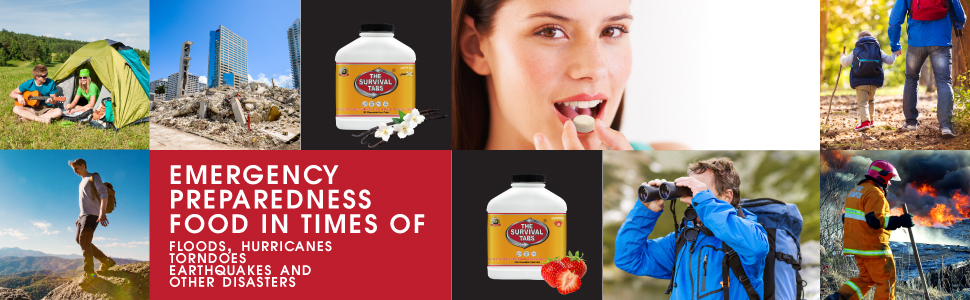
Survival Tabs: Essential Nutrition for Earthquake Preparedness and Recovery
Creative Ways to Practice Earthquake Drills with Family
Practicing earthquake drills can be both educational and engaging for the entire family. Here are some creative ways to make these drills effective and memorable:
Make It a Game
- Drop, Cover, and Hold On: Turn the drill into a game where family members race to find the safest spot in the room. Reward the fastest and most accurate participants with small prizes.
- Obstacle Course: Create an obstacle course that simulates navigating through debris. This can help family members understand the importance of staying low and moving carefully.
- Earthquake Simulation Apps: Use apps that simulate earthquake scenarios to practice responses in real-time.
- Virtual Reality: If available, use VR technology to create immersive earthquake experiences that can enhance preparedness.
- Emergency Roles: Assign roles such as "first responder" or "injured person" to practice different aspects of earthquake response.
- Communication Drills: Practice using walkie-talkies or text messaging to communicate during and after the drill.
Identifying Potential Earthquake Hazards in Your Home
Identifying and mitigating potential hazards in your home is crucial for earthquake preparedness:
Structural Hazards
- Secure Heavy Furniture: Fasten bookshelves, cabinets, and other heavy furniture to walls to prevent toppling.
- Anchor Appliances: Secure water heaters, refrigerators, and other large appliances.
- Inspect Foundations: Check for cracks or weaknesses in your home's foundation and address any issues.
- Store Breakables Safely: Keep heavy and breakable items on low shelves.
- Use Safety Latches: Install safety latches on cabinets to prevent contents from spilling out.
- Clear Exit Paths: Ensure that hallways and exits are free of obstructions.
Key Components of an Effective Earthquake Emergency Kit
An effective earthquake emergency kit should include essential supplies to sustain you and your family for at least 72 hours:
Basic Supplies
- Water: At least one gallon per person per day.
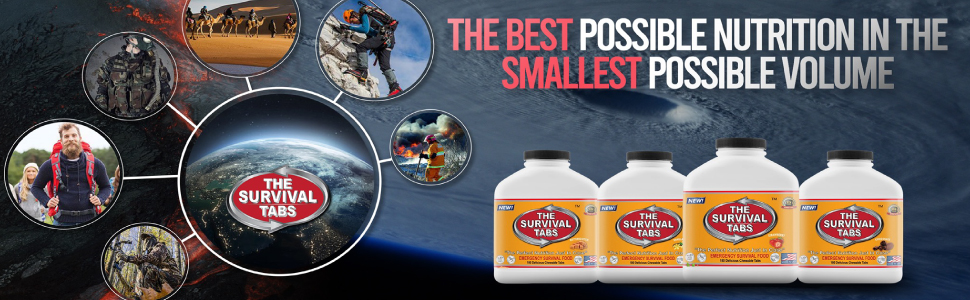
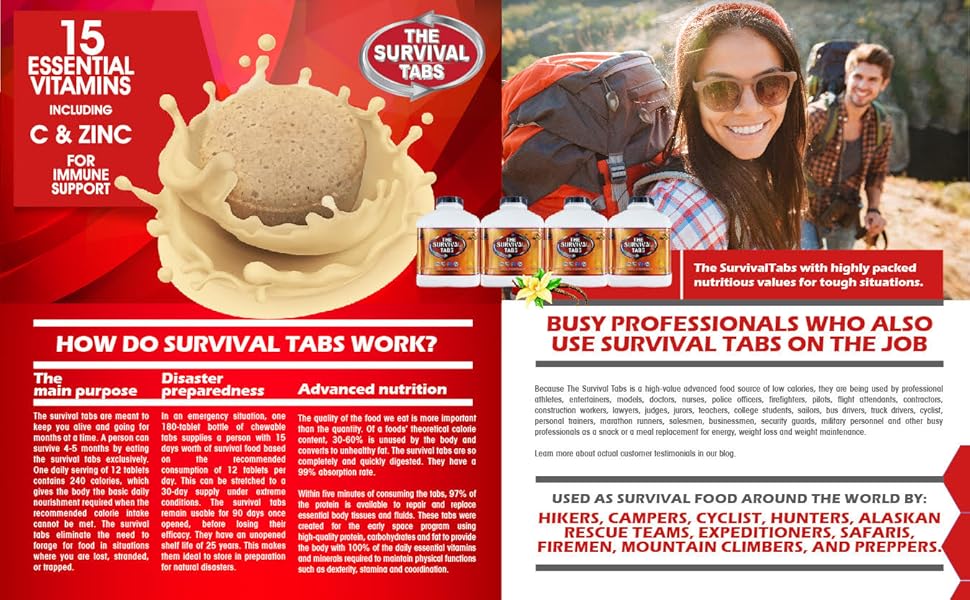
- Food: Non-perishable items, including Survival Tabs, which provide complete nutrition and have a long shelf life.
- First Aid Kit: Bandages, antiseptic, medications, and any necessary medical supplies.
- Tools and Equipment: Flashlights with extra batteries, a multi-tool, a whistle, and power packs for phones.
- Personal Documents: Copies of important documents in a waterproof container.
- Clothing and Bedding: Extra clothing, blankets, and sturdy shoes.
- Pet Supplies: Food and water for pets.
- Cash: Small bills are best for emergencies.
#EmergencyKit #SurvivalSupplies #Preparedness
Finding Out If Your Home Is Eligible for Earthquake Retrofitting Grants
Earthquake retrofitting can significantly enhance the safety of your home. To find out if your home is eligible for retrofitting grants:
Research Grant Programs
- Federal Programs: Check FEMA’s website for information on federal grants and assistance programs.
- State and Local Programs: Visit your state or local government’s website for information on available grants and incentives.
- Non-Profit Organizations: Some non-profits offer grants or low-interest loans for earthquake retrofitting.
- Home Age and Structure: Homes built before 1980 are often more vulnerable and may qualify for retrofitting grants.
- Location: Homes in high-risk earthquake zones are more likely to be eligible for assistance.
What to Do If You're in a Car During an Earthquake
If you find yourself in a car during an earthquake, follow these steps to stay safe:
During the Shaking
- Pull Over Safely: Find a safe spot away from overpasses, bridges, power lines, and large trees. Set your parking brake.
- Stay Inside: Remain in the car with your seatbelt fastened until the shaking stops.
- Assess Your Surroundings: Check for hazards such as downed power lines or damaged roads.
- Proceed with Caution: Drive carefully and be prepared for aftershocks.
How Communities Can Support Earthquake Survivors
Communities play a vital role in supporting earthquake survivors. Here’s how they can come together:
Community Coordination
- Share Resources: Neighbors can pool resources such as generators, food, and water to ensure everyone has what they need.
- Check on Vulnerable Neighbors: Ensure elderly, disabled, and other vulnerable community members are safe and have the necessary supplies.
- Local Shelters: Coordinate with local shelters to provide support and resources for those who need to evacuate.
- Volunteer Efforts: Participate in community clean-up and recovery efforts. Help clear debris and assist those whose homes were damaged.
- Support Local Businesses: After the earthquake, support local businesses to help the community recover economically.
- Mental Health Support: Provide emotional and psychological support to those affected by the earthquake. Community gatherings and support groups can help people cope with the aftermath.
#CommunitySupport #TogetherWeRecover #EarthquakeResilience
Conclusion: Be Prepared with Survival Tabs
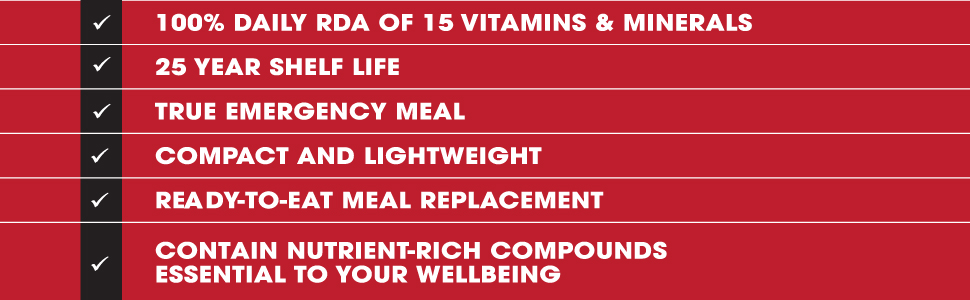
As the recent earthquake in Southern California has shown, the importance of comprehensive emergency preparedness cannot be overstated. Survival Tabs offer a unique solution to the nutritional challenges posed by such natural disasters. Their compact size, long shelf life, and complete nutritional profile make them an essential component of any earthquake preparedness kit.
From pre-earthquake preparation to post-earthquake recovery, Survival Tabs provide the energy, mental clarity, and nutritional support needed to weather the crisis and its aftermath. By including Survival Tabs in your emergency plans, you're not just preparing for the immediate impact of an earthquake, but also for the long-term recovery process that follows.
Don't wait until it's too late. Prepare now with Survival Tabs and ensure that you, your family, and your community have access to essential nutrition when it matters most. Stay safe, stay strong, and be ready for whatever the future may bring.
#EarthquakePrep #SurvivalTabs #EmergencyNutrition #CommunityResilience #BeReady #StaySafe
***Statements regarding dietary supplements have not been evaluated by the FDA and are not intended to diagnose, treat, cure, or prevent any disease or health condition.***
 |
 |
 |
 |
 |
|
|---|---|---|---|---|---|
| 720 Tabs Emergency Food Survival Gluten Free and Non-GMO 25 Years Shelf Life | Food Supply 96 Tabs Emergency Food Replacement Disaster Preparedness | Ultimate Preparedness Emergency Food Supply 25 year shelf life | Emergency Food Ration Survival MREs Food Replacement | Emergency Food Survival Food Meal Replacement MREs Gluten Free and Non-GMO | |
| Day Serving | 60 days | 8 days | 120 days | 15 days | 2 days |
| Shelf-Life | 25 years | 25 years | 25 years | 25 years | 25 years |
| Non-GMO | ✓ | ✓ | ✓ | ✓ | ✓ |
| Gluten Free | ✓ | ✓ | ✓ | ✓ | ✓ |
| Tabs Amount | 720 | 96 | 1440 | 180 | 24 |