Survival Essentials: Long-Term Food Storage and Water Management
Survival Essentials: Long-Term Food Storage and Water Management
In an uncertain world, being prepared for emergencies or off-grid living is more important than ever. This guide will walk you through the essentials of long-term food storage, water filtration, and rainwater harvesting to ensure you're ready for whatever challenges may come.
Long-Term Food Storage
Creating a robust long-term food storage system is crucial for emergency preparedness and off-grid living. Here are some key strategies:
1. Choose the Right Foods
Focus on foods with long shelf lives:
- Rice and beans (30+ years when properly stored)
- Honey (indefinite shelf life)
- Salt (indefinite shelf life)
- Dried pasta (10-30 years)
- Canned goods (2-5 years past printed date)
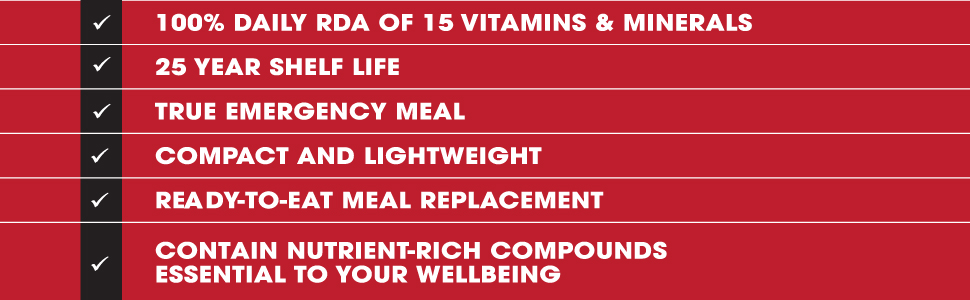
- Freeze-dried meals (25+ years)
2. Proper Packaging
Use appropriate packaging to extend shelf life:
- Mylar bags with oxygen absorbers
- Food-grade buckets with gamma seal lids
- Vacuum-sealed bags for shorter-term storage
3. Storage Conditions
Maintain optimal storage conditions:
- Cool temperatures (50-70°F)
- Low humidity
- Dark environment
- Away from pests
4. Rotation System
Implement a "first in, first out" (FIFO) system:
- Label all items with packaging dates
- Use older items first in day-to-day life
- Replace used items to maintain stock levels
5. DIY Food Preservation
Learn food preservation techniques:
- Canning (pressure canning for low-acid foods)
- Dehydration (fruits, vegetables, meats)
- Fermentation (sauerkraut, kimchi)
- Smoking and curing meats
Water Filtration for Emergencies
Access to clean water is critical in any survival situation. Here's how to build a DIY water filter:
Materials Needed:
- Large plastic bottle or container
- Small pebbles
- Coarse sand
- Fine sand
- Activated charcoal
- Coffee filter or cloth
- Scissors
Steps:
1. Cut the bottom off the plastic bottle
2. Turn the bottle upside down and place a coffee filter or cloth at the neck
3. Layer the materials from bottom to top:
- Activated charcoal (1-2 inches)
- Fine sand (2-3 inches)
- Coarse sand (2-3 inches)
- Small pebbles (2-3 inches)
4. Secure the layers with a piece of cloth if needed
5. Place the filter over a clean container
6. Slowly pour water through the top of the filter
7. Collect the filtered water in the container below
Remember, while this filter can remove many contaminants, it may not eliminate all pathogens. Always follow up with a sanitization method for drinking water.
Rainwater Harvesting for Long-Term Survival
#RainwaterHarvesting #SustainableWater
Rainwater harvesting is an excellent way to secure a water supply for off-grid living or emergency situations. Here's how to set up a basic system:
1. Collection System
- Install clean gutters and downspouts on your roof or shelter
- Direct water into a large, food-grade storage container or cistern
- Use a first-flush diverter to remove initial contaminants
- Install a debris screen to keep out leaves and larger particles
2. Storage
- Use food-grade containers: BPA-free plastic or stainless steel tanks
- Ensure your storage container is opaque to prevent algae growth
- Size your storage based on your needs and average rainfall in your area
3. Filtration
Implement a multi-stage filtration system:
- Sediment filter to remove larger particles
- Activated carbon filter to improve taste and remove chemicals
- Ceramic filter or biosand filter for additional purification
4. Sanitization
Choose a method to eliminate harmful microorganisms:
- UV light treatment: Effective against a wide range of pathogens
- Chlorination: Add 2 drops of unscented bleach per quart of water, let stand for 30 minutes
- Boiling: Bring water to a rolling boil for at least 1 minute (3 minutes at high altitudes)
5. Maintenance
Regular maintenance is crucial for a safe and effective rainwater harvesting system:
- Clean gutters and collection surfaces regularly
- Inspect and clean storage tanks annually
- Replace filters as needed (follow manufacturer recommendations)
- Test water quality periodically to ensure safety
Long-Term Water Storage Tips
1. Use proper containers: Food-grade plastic or glass containers with tight-fitting lids
2. Sanitize containers before use: Clean with a mixture of water and unscented bleach (1 teaspoon per quart of water)
3. Fill completely: Minimize air exposure to prevent bacterial growth
4. Store in a cool, dark place: Protect from sunlight and heat
5. Rotate stored water: Replace every 6-12 months
6. Consider water treatment tablets or drops for long-term storage
Advanced Water Management Techniques
For those committed to long-term off-grid living or extensive bushcraft experiences, consider these advanced water management techniques:
1. Biosand filters: Create a larger, more effective filter using sand and beneficial bacteria
2. Solar stills: Use solar energy to distill water from contaminated sources
3. Fog harvesting: In coastal areas, collect water from fog using specialized nets
4. Atmospheric water generators: Extract water from humid air (requires electricity)
Bushcraft Water Sourcing
When in the wilderness, knowing how to find and purify water is essential:
1. Look for natural water sources: Rivers, streams, lakes, and springs
2. Collect morning dew using cloth or grass bundles
3. Tap into plant transpiration by tying plastic bags around leafy branches
4. Dig a solar still in the ground to collect water vapor
5. Extract water from green bamboo by heating one end
Always purify water from natural sources before drinking, even if it looks clean.
Conclusion
Mastering long-term food storage, water filtration, and rainwater harvesting are essential skills for emergency preparedness, bushcraft, and off-grid living. By implementing these strategies, you'll be better equipped to handle a variety of challenging situations and maintain self-sufficiency.
Remember to regularly practice and refine these skills, rotate your food supplies, and maintain your water systems. Stay informed about local regulations regarding rainwater harvesting and off-grid living, as they can vary by location.
With proper planning and preparation, you can ensure a stable food and water supply for yourself and your loved ones, no matter what challenges you may face. Stay prepared, stay resilient, and embrace the peace of mind that comes with self-sufficiency.
Citations: