

Storm Preparedness Guide
Knowledge Center ID: ST-KC-096
Quick answer: Storm preparedness means planning for the effects a storm can cause—power outages, flooding, blocked roads, damaged buildings, extreme temperatures, water interruptions, and communication failures—and following hazard-specific official instructions.
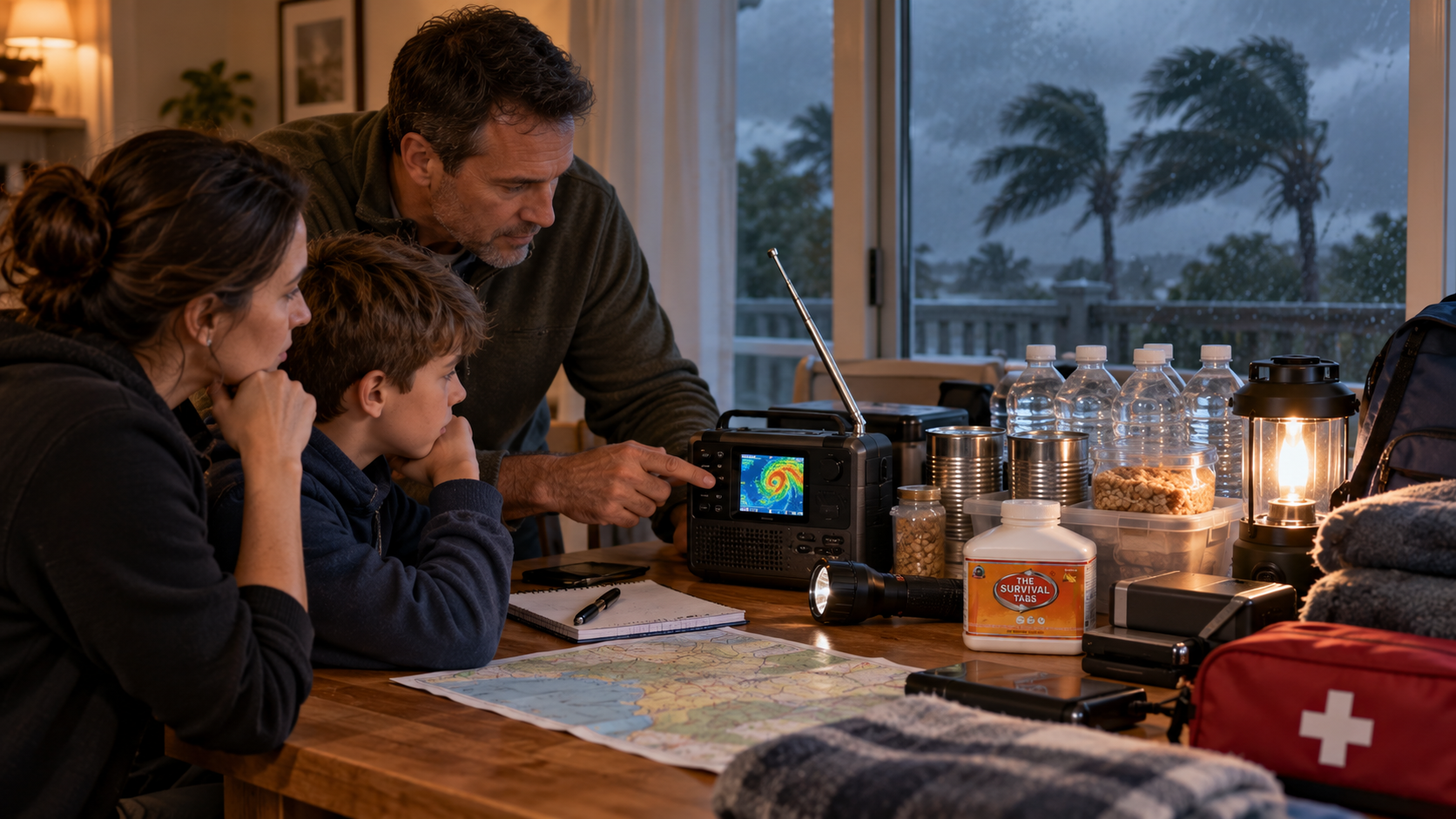
<!-- IMAGE:IMG-ST-KC-096-01 -->
Prepare for the Effects, Not Just the Storm Name
Storms can cause power outages, flooding, fallen trees, blocked roads, water interruptions, damaged buildings, extreme temperatures, and communication failures. A useful plan prepares for those consequences rather than focusing only on one storm category.
Know the hazards common to your area and how local authorities communicate watches, warnings, evacuation orders, and shelter instructions.
Build Multiple Ways to Receive Alerts
Do not rely on a single phone app. Enable official wireless emergency alerts, follow local emergency management and weather services, and keep a battery-powered or hand-crank radio available. Charge phones and power banks before severe weather arrives.
Households should agree on what different warnings mean and where everyone will go if they are separated.
Prepare the Home Before Conditions Worsen
Bring in or secure lightweight outdoor items when safe to do so. Clear routine drainage areas that you are responsible for, keep vehicles fueled or charged, and move important documents and vulnerable supplies away from areas that could get wet.
Do not perform risky roof, tree, electrical, or structural work as a storm approaches. Use qualified professionals when those tasks are needed.
Food, Water, Power, and Medication
Keep a rotating supply of drinking water and foods your household already eats. Include ready-to-eat options that do not require cooking. Store flashlights rather than relying on candles.
Plan for refrigerated medications and powered medical devices before an outage occurs. Follow manufacturer, pharmacist, clinician, and local emergency guidance for temperature-sensitive medicines.
<!-- IMAGE:IMG-ST-KC-096-02 -->
Know Where to Shelter
The safest shelter location depends on the hazard. Tornadoes, floods, lightning, high winds, and hazardous air require different actions. Follow National Weather Service and local emergency instructions rather than using one shelter rule for every storm.
Never enter floodwater or drive around barricades. If officials order evacuation, leave early enough to avoid deteriorating road conditions.
After the Storm
Continue monitoring alerts because hazards often remain after the weather passes. Treat downed power lines as energized, avoid damaged buildings until cleared, and use generators only outdoors, at least 20 feet from doors, windows, and vents, with exhaust directed away, following manufacturer and official carbon-monoxide safety guidance.
Photograph damage from a safe location for insurance purposes. Check on neighbors when conditions permit, especially people who may need mobility, medical, language, or transportation assistance.
<!-- IMAGE:IMG-ST-KC-096-03 -->
Storm Preparedness Checklist
Before:
- Know local hazards and evacuation routes.
- Enable emergency alerts.
- Charge communication devices.
- Check water, food, medication, lighting, and batteries.
- Secure outdoor items when safe.
- Plan for pets and accessibility needs.
During:
- Follow official warnings.
- Move to the recommended shelter.
- Avoid windows when high winds are a threat.
- Stay out of floodwater.
- Use generators and fuel-burning equipment only outdoors.
After:
- Watch for downed lines and structural damage.
- Keep food safety in mind during outages.
- Document damage safely.
- Check local boil-water or evacuation notices.
Frequently Asked Questions
How much warning will I get?
It varies by hazard. Some storms develop quickly, so preparations should be in place before watches or warnings are issued.
Should I evacuate for every storm?
No. Evacuate when local officials recommend or order it, or when your location is clearly unsafe.
Is a car a safe shelter?
A vehicle can offer some protection from lightning, but it is dangerous in floodwater, high winds, wildfire conditions, and many other hazards. Follow hazard-specific official guidance.
What is the best backup light during a power outage?
Battery-powered flashlights and lanterns are generally safer than open flames.
Related Knowledge Center Topics
Complete Guide to Emergency Preparedness; 72-Hour Emergency Kit Guide; Emergency Radio and Communication Guide; Power Outage Preparedness Guide; Apartment Emergency Preparedness Guide.
SEO and Publishing Package
SEO title: Storm Preparedness Guide: Before, During and After
Meta description: Prepare for severe storms with practical guidance for alerts, shelter, food, water, outages, evacuation, medication, and post-storm safety.
Suggested URL: /blogs/knowledge-center/storm-preparedness-guide
Suggested schema: Article with FAQPage markup where supported and validated.
Manual Image Plan
IMG-ST-KC-096-01
Placement: Featured
Prompt: Calm household storm preparedness scene with family checking an emergency radio and weather alert while organized supplies sit nearby, no panic, realistic home interior, no text.
Alt text: Household calmly reviewing storm alerts with emergency supplies ready.
IMG-ST-KC-096-02
Placement: After “Food, Water, Power, and Medication”
Prompt: Organized shelf with water, shelf-stable food, flashlights, power banks, medication organizer and radio, realistic editorial photography, no labels or text.
Alt text: Organized storm preparedness supplies for food, water, lighting and communication.
IMG-ST-KC-096-03
Placement: After “After the Storm”
Prompt: Residential street after a storm viewed from a safe distance with a downed branch and utility crew area clearly avoided by residents, calm safety-focused scene, no text.
Alt text: Residents keeping a safe distance from post-storm hazards.
Official Sources
Ready.gov — Severe Weather: https://www.ready.gov/severe-weather
National Weather Service — Safety: https://www.weather.gov/safety/
Ready.gov — Power Outages: https://www.ready.gov/power-outages
Editorial note: This guide is educational and does not replace instructions from emergency officials, building authorities, public-health agencies, utilities, qualified professionals, or product manufacturers.