

Storm Preparedness Guide
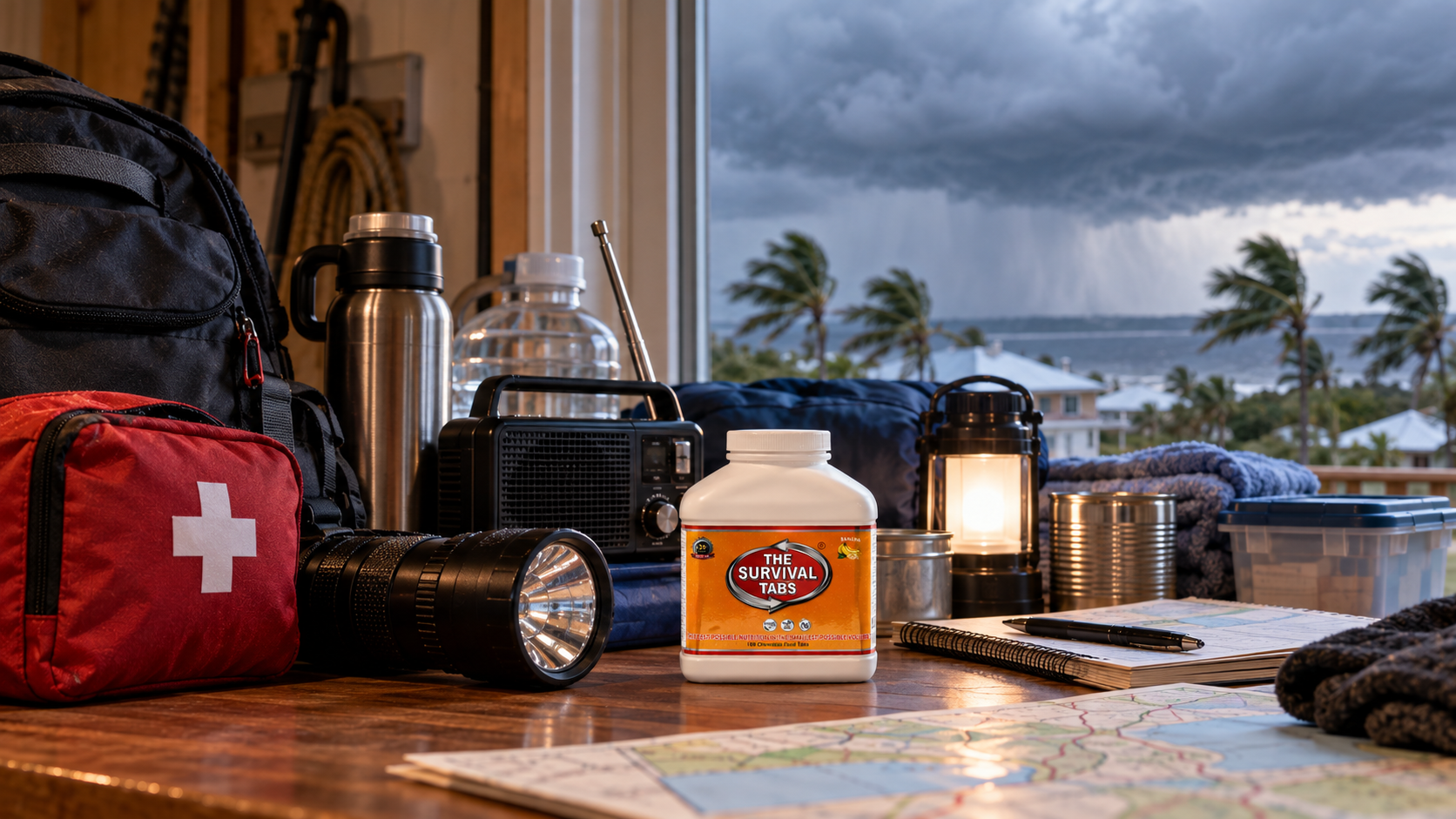
A practical, all-hazards framework for preparing before a storm, making safe decisions while conditions are dangerous, and recovering without creating new risks.
Important: This guide supports household planning. It does not replace instructions from local emergency managers, the National Weather Service, public-safety agencies, utilities, clinicians, veterinarians, or building officials.
Quick Answer
Storm preparation begins before a watch or warning. Learn the hazards that affect your location, receive alerts through more than one channel, identify both shelter and evacuation options, maintain essential supplies, and assign household roles.
When a storm threatens, follow local instructions promptly. A shelter decision that is appropriate for wind may be unsafe for flooding, wildfire, storm surge, or a damaged building. The hazard—not convenience—determines the action.
After a storm, wait for official clearance, avoid floodwater and downed lines, use combustion equipment only outdoors and well away from openings, confirm food and water safety, and document damage without entering unstable areas.
What This All-Hazards Guide Covers
* Severe thunderstorms, damaging wind, hail, lightning, tornado potential, heavy rain, flash flooding, tropical weather, and storm-related power loss.
* Household planning that remains useful across several storm types.
* The decision points that change by hazard: sheltering, evacuation, travel, water, utilities, and reentry.
* Food, water, medication, communications, accessibility, children, older adults, pets, and recovery.
* Clear limits: use the hazard-specific guidance and local instructions when they are more specific than this overview.
1. Know Your Local Storm Risks
Start with location. Coastal surge, river flooding, flash flooding, tornadoes, lightning, hail, high wind, ice, snow, dust, wildfire conditions, and extreme heat can require different protective actions.
* Check local emergency-management and National Weather Service information for the hazards common to your area.
* Learn whether your home, workplace, school, or regular travel route lies in a flood, storm-surge, evacuation, landslide, or wildfire-risk area.
* Know the strongest accessible shelter spaces available where you spend time.
* Identify roads, bridges, low-water crossings, tunnels, and coastal routes that may become unsafe before visible flooding begins.
* Ask your utility how outage reporting, medical-needs registration, and restoration updates work.
Do not use a generic storm checklist as a substitute for hazard-specific planning. Floodwater may make a basement dangerous; high wind may make an interior lower-level room safer; evacuation may be required before conditions deteriorate.
2. Understand Alerts and Act Early
Use multiple alert methods because any single channel can fail. Enable Wireless Emergency Alerts, use a trusted weather or emergency-management app, keep a battery-powered or hand-crank weather radio where appropriate, and follow local officials.
Watch versus warning
* A watch generally means conditions are favorable for a hazard. Review the plan, charge devices, gather supplies, and be ready to act.
* A warning means the hazard is occurring, imminent, or detected. Take the protective action specified in the warning immediately.
* Other alerts—evacuation orders, flash-flood warnings, shelter notices, boil-water advisories, and utility instructions—may require different actions.
Alert terminology and delivery can vary by country and locality. Learn the official terms used where you live.
Alert readiness checklist
* Enable emergency alerts on every compatible phone.
* Choose at least one method that does not depend on cellular data.
* Add alerts for family members’ locations when supported.
* Keep devices charged and store appropriate power banks and cables.
* Make alerts accessible through vibration, visual signals, captions, amplified audio, or a support person when needed.
* Confirm who will wake children, older adults, people with disabilities, and overnight guests.
3. Build the Household Storm Plan
A usable plan answers five questions: What hazard is happening? Where will we go? When will we move? How will we communicate? What does each person carry or do?
Contacts and communication
* Choose an out-of-area contact who may be easier to reach than someone in the affected area.
* Write important numbers on paper and place copies in wallets, bags, vehicles, and the household kit.
* Choose primary and backup meeting places: one near home and one outside the neighborhood.
* Use text messages when networks are congested, unless emergency instructions say otherwise.
* Decide how household members will report that they are safe without repeatedly draining batteries.
Shelter and evacuation
* Identify a hazard-appropriate shelter space inside the home.
* Identify nearby public shelters and verify whether they accept pets, provide medical support, or meet accessibility needs.
* Plan at least two evacuation routes, while recognizing that officials may direct a different route.
* Keep the vehicle maintained and avoid allowing the fuel or charge level to become critically low during storm season.
* Arrange transportation in advance for anyone who cannot drive or use standard evacuation transport.
Roles
* Assign one person to monitor official alerts.
* Assign one person to secure pets and pet supplies.
* Assign one person to collect medication, documents, and assistive devices.
* Assign utility shutoff tasks only to adults who understand the system and can act without entering danger.
* Give children simple, age-appropriate roles that do not delay movement or expose them to hazards.
4. Prepare Essential Supplies
Build supplies around household needs and local guidance. A kit should support safe sheltering or evacuation without depending on one product, one power source, or one cooking method.
Water
* Store drinking water in clean, food-grade containers and rotate it according to container and public-health guidance.
* Include additional water for hot climates, pregnancy, illness, pets, hygiene, and medications that require water.
* Know how local boil-water and do-not-use advisories differ.
* Never assume visibly clear stormwater, floodwater, or private-well water is safe.
Food
* Choose shelf-stable foods that household members can safely eat.
* Include no-cook options for periods when utilities or safe outdoor cooking are unavailable.
* Account for allergies, texture needs, infant feeding, diabetes, kidney disease, and other medically directed diets.
* Maintain a manual can opener and clean utensils.
* Treat Survival Tabs, if included, as one compact emergency-food option—not a sole long-term diet or replacement for water, medical nutrition, or a varied food plan.
Health and safety
* Maintain prescribed medications and copies of prescriptions according to clinician and pharmacist guidance.
* Include a first-aid kit, hygiene supplies, masks appropriate to local guidance, soap, hand sanitizer, and menstrual products.
* Include flashlights or headlamps and spare batteries; battery lights are generally safer than open flames.
* Include a fire extinguisher suitable for household risks and make sure adults know its limits.
* Pack glasses, hearing-aid batteries, mobility-device chargers, backup communication tools, and medical-device supplies.
Documents and money
* Keep copies of identification, insurance, medical information, contacts, and property records protected from water.
* Store small-denomination cash only if appropriate and secure.
* Record household inventory with photos or video before storm season.
* Protect digital copies with secure access that will still work if a primary device is lost.
5. Prepare the Home Before Conditions Become Dangerous
Complete outdoor and roof work early. Once wind, lightning, ice, or flooding begins, do not climb ladders, go onto roofs, trim trees, or attempt exterior repairs.
* Bring in or secure furniture, tools, decorations, bins, grills, and other objects that could become projectiles.
* Clear drains and gutters only when conditions are safe and the work is within your ability.
* Inspect doors, windows, shutters, roofing, flashing, and drainage before storm season; use qualified contractors for structural work.
* Move valuables and hazardous household chemicals away from likely flood exposure when this can be done safely.
* Test smoke alarms and carbon-monoxide alarms and replace batteries or units according to manufacturer instructions.
* Charge phones, power banks, medical devices, lanterns, and rechargeable batteries.
* Set refrigerators and freezers to safe cold settings and minimize door opening during an outage.
* Fill necessary prescriptions early when a forecast and local conditions justify it.
* Photograph the property and note utility meter readings if safe and useful.
Do not tape windows as a substitute for approved protection. Do not make last-minute structural modifications without qualified guidance.
6. Decide: Shelter, Evacuate, or Move to a Safer Building
Follow evacuation orders and local instructions. Leaving too late can expose the household to wind, floodwater, debris, traffic, and closed routes.
Evacuate when
* Officials order or strongly direct evacuation.
* You are in a storm-surge, flood, wildfire, landslide, or other identified evacuation zone.
* The building is unsafe, damaged, or cannot support critical medical needs.
* Transportation may become impossible if you wait.
Shelter when
* Officials advise sheltering and the building is suitable for the specific hazard.
* Travel would expose you to greater immediate danger.
* You can reach the designated safe space before the warning arrives.
Move to a safer building early when
* The home lacks a reasonable safe space for the expected hazard.
* A manufactured or mobile home, temporary structure, vehicle, tent, or exposed upper floor is unsafe for the forecast conditions.
* A household member needs power-dependent medical support, accessible facilities, or care not available at home.
Public shelters vary. Bring identification, medication, essential assistive equipment, charging cables, bedding if requested, and only the supplies the shelter permits.
7. Stay Safe During the Storm
General actions
* Monitor official alerts and keep the household together or in communication.
* Stay away from windows, exterior doors, skylights, and large unsupported roof spans when high wind or debris is a threat.
* Do not go outside to watch conditions or retrieve unsecured items.
* Avoid corded electrical equipment and plumbing during lightning when official guidance advises it.
* Keep shoes, a flashlight, protective clothing, and critical medication within reach.
* Preserve phone power by lowering brightness, closing unnecessary applications, and limiting nonessential use.
Flooding
* Move away from rising water and follow flash-flood instructions immediately.
* Never walk, swim, or drive through floodwater.
* Do not enter basements or low areas where water may rise or electrical hazards may exist.
* If trapped, move to the safest higher level available and call for help; do not enter a closed attic without a safe way to the roof.
High wind or tornado threat
* Use the location recommended by local officials—often a basement or small interior room on the lowest level away from windows, unless flooding makes that location unsafe.
* Protect the head and neck with sturdy materials if available without delaying shelter.
* In schools, workplaces, stores, or venues, follow the site’s emergency plan.
Lightning
* When thunder is heard, move into a substantial building or hard-topped enclosed vehicle according to National Weather Service guidance.
* Remain away from exposed areas, isolated trees, water, metal fences, and open shelters.
* Wait for the locally recommended safe interval after the last thunder before resuming outdoor activity.
8. Power Outage and Carbon-Monoxide Safety
Treat every outage as a change in fire, food, medical-device, temperature, and communication risk.
* Use flashlights or battery lighting rather than candles whenever possible.
* Operate portable generators outdoors only, at least 20 feet from the home, with exhaust directed away from windows, doors, vents, and neighboring occupied spaces.
* Never use grills, charcoal, camp stoves, gasoline engines, or fuel-burning heaters inside a home, garage, basement, camper, tent, or other enclosed or partly enclosed space unless the appliance and installation are specifically approved for that use.
* Never connect a generator directly to household wiring without approved transfer equipment installed by a qualified electrician.
* Keep generators dry and follow manufacturer instructions; do not operate them in rain or wet conditions without a manufacturer-approved weather-safe arrangement.
* If a carbon-monoxide alarm sounds or symptoms such as headache, dizziness, weakness, nausea, chest pain, or confusion occur, move to fresh air and call emergency services.
* Have a relocation plan for power-dependent medical devices, refrigeration-dependent medication, unsafe indoor temperatures, or loss of accessible equipment.
9. Food and Water During an Outage
* Keep refrigerator and freezer doors closed as much as possible.
* Use appliance thermometers and public-health guidance rather than smell or appearance alone to judge safety.
* Discard food that contacted floodwater or stormwater.
* Follow local drinking-water advisories. A boil-water advisory is not the same as a do-not-use advisory.
* Use bottled, boiled, or otherwise properly treated water only when the method is appropriate to the identified hazard.
* Chemical contamination, fuel, saltwater, or some toxins may not be made safe by boiling or routine household filters.
* When in doubt about food safety, discard the food rather than tasting it.
See the separate Emergency Water Sources and Treatment Guide and Emergency Food Storage Guide for more detail.
10. Travel and Vehicle Decisions
The safest storm trip is often the one postponed. If officials advise against travel, stay off the roads.
* Check forecasts, warnings, road closures, and evacuation routes before leaving.
* Never drive around barricades.
* Do not drive through standing or moving water, even if another vehicle passes.
* Slow down for wind, hail, rain, debris, low visibility, ice, or snow, but stop only in a location that does not expose you to traffic or flooding.
* Avoid parking under trees, power lines, signs, scaffolding, or unstable structures.
* Keep a vehicle kit with water, suitable food, first aid, phone power, weather protection, reflective signaling, and seasonal supplies.
* If stranded, contact emergency services when necessary, communicate location, and follow hazard-specific official guidance rather than improvising a rescue route.
11. Children, Older Adults, Disability, and Medical Needs
* Explain the plan in clear, calm language and practice it before storm season.
* Use visual, written, audio, tactile, or plain-language instructions that match household needs.
* Plan backup power, manual alternatives, extra supplies, and relocation for assistive or medical devices.
* Label medication and equipment, and keep current care information with the person.
* Arrange a support network that does not depend on only one caregiver or vehicle.
* Confirm that shelters and transportation can accommodate mobility, sensory, communication, cognitive, service-animal, and medical needs.
* Do not separate a person from essential aids, communication devices, or service animals unless immediate life safety requires it.
12. Pet and Animal Planning
* Include pets in evacuation and shelter decisions from the beginning.
* Keep carriers, leashes, identification, vaccination records, medication, water, food, sanitation supplies, and a current photo ready.
* Identify pet-friendly shelters, boarding options, and a backup caregiver.
* Bring animals indoors or to appropriate shelter before conditions become dangerous.
* Never leave pets chained outdoors, unattended in vehicles, or dependent on an automatic feeder during a prolonged outage.
* For livestock, horses, birds, reptiles, or exotic animals, obtain species-specific plans from veterinarians, agricultural extension services, or local animal authorities.
13. After the Storm: Wait, Assess, and Avoid New Hazards
Many injuries occur after the weather passes. Continue monitoring alerts and wait for official clearance before leaving shelter or returning home.
* Assume downed power lines are energized. Keep people and animals away and report them.
* Avoid floodwater, which may hide electrical hazards, sewage, chemicals, sharp debris, animals, and unstable ground.
* Do not enter a building with visible structural damage, shifting walls, sagging ceilings, fire damage, gas odor, or standing water near electrical systems.
* If you smell gas or suspect a leak, leave, avoid switches and flames, and contact emergency services or the utility from a safe location.
* Use protective clothing appropriate to cleanup hazards; keep children and pets away from debris and contaminated areas.
* Document damage from a safe location before cleanup when possible.
* Photograph discarded food or property if an insurer or local program requests documentation, but do not keep unsafe items solely for evidence.
* Use qualified professionals for electrical, gas, structural, roof, tree, mold, asbestos, and major water-damage work.
* Check on neighbors without entering unsafe areas or taking on rescue tasks beyond your training.
14. Cleanup and Reentry
* Follow local water, sanitation, waste, and reentry instructions.
* Ventilate only when outdoor air and structural conditions are safe.
* Do not mix bleach with ammonia, acids, or other cleaners.
* Use generators, pumps, pressure washers, and other engines outdoors and away from openings.
* Discard porous food-contact items and medications contaminated by floodwater according to public-health and pharmacy guidance.
* Dry wet materials promptly when safe, and obtain professional assessment for extensive mold or contaminated water.
* Use chainsaws only with training, protective equipment, and awareness of tensioned limbs, power lines, and unstable trees.
* Watch for heat stress, cold stress, dehydration, infection, and exhaustion during cleanup.
* Seek medical care for significant wounds, breathing problems, carbon-monoxide exposure, electrical injury, or concerning symptoms.
15. Recovery and Plan Improvement
* Contact insurers, landlords, utilities, and local assistance programs through verified channels.
* Keep receipts and a written record of calls, claims, temporary repairs, and expenses.
* Be alert to contractors, charities, and assistance scams after disasters.
* Restock used supplies and replace damaged safety equipment.
* Review which alerts arrived, what decisions were difficult, what ran out, and which parts of the plan failed.
* Update contacts, routes, shelter information, medical needs, pet arrangements, and household roles.
* Schedule repairs and mitigation based on qualified inspection and local codes.
Recovery may affect sleep, concentration, mood, and family routines. Seek support from trusted community, medical, or mental-health resources when distress persists or interferes with daily life.
Storm Readiness Checklist
Before storm season
* Know local hazards and evacuation zones.
* Enable several alert methods.
* Choose shelter and evacuation destinations.
* Practice the household communication plan.
* Maintain water, food, medication, lighting, power, documents, and pet supplies.
* Inspect alarms, drainage, roof, windows, doors, trees, and exterior objects.
* Plan for accessibility and power-dependent medical needs.
When a storm is forecast
* Read the specific forecast and official instructions.
* Charge devices and test backup communications.
* Refill necessary medication and fuel or charging capacity early.
* Secure outdoor objects while conditions are safe.
* Check food, water, no-cook options, and refrigeration plans.
* Confirm routes, destinations, transportation, and pet arrangements.
* Move early if evacuation or a safer building is likely.
During the storm
* Follow warnings immediately.
* Use the safe location appropriate to the hazard.
* Stay away from windows, floodwater, debris, and exposed areas.
* Conserve batteries and monitor official updates.
* Use no indoor combustion equipment.
After the storm
* Wait for clearance.
* Avoid lines, water, damaged structures, gas leaks, and unstable trees.
* Confirm food and water safety.
* Document damage safely.
* Use protective equipment and qualified help.
* Restock and improve the plan.
Common Mistakes to Avoid
* Waiting for a warning before beginning all preparation.
* Relying on one phone, one app, or one power source for alerts.
* Treating every storm as requiring the same shelter location.
* Evacuating after routes are already flooding or winds are dangerous.
* Driving through floodwater or around barricades.
* Running a generator in a garage, porch, carport, basement, camper, or near openings.
* Using candles as the primary outage light.
* Assuming food or water is safe because it looks or smells normal.
* Climbing ladders, trimming trees, or making roof repairs during dangerous weather.
* Returning to a damaged building before clearance.
* Using product marketing claims as a substitute for balanced emergency planning.
Frequently Asked Questions
How much notice will I have?
Notice varies from days to minutes. Forecast confidence and storm paths change. Prepare the household framework in advance so alerts trigger action rather than a new planning session.
Should I shelter in a basement?
A basement may be appropriate for some high-wind threats, but it can be dangerous when flooding is possible. Follow the hazard-specific warning and local instructions.
Should I open windows to equalize pressure?
Do not spend time opening windows. Move to the recommended safe area and protect yourself from debris.
Can I use a grill or camp stove indoors during an outage?
No. Fuel-burning devices can produce lethal carbon monoxide. Use them only outdoors in accordance with manufacturer and public-safety instructions.
Can boiling make all storm water safe?
No. Boiling can reduce many biological hazards but does not remove fuel, salt, toxic chemicals, or every contaminant. Follow the exact public-health advisory.
When should I evacuate?
Evacuate when ordered and leave early enough to avoid dangerous conditions. Also plan early relocation when the building cannot support medical, accessibility, or structural needs.
What role can compact emergency food play?
Compact shelf-stable food may supplement a kit when it fits verified label directions and household dietary needs. It does not replace water, a varied food supply, medical nutrition, or hazard-specific planning.
When is it safe to return?
Return only when officials permit it and access is safe. Clearance to enter an area does not guarantee that every building, utility, road, or water source is safe.
Scope and Limitations
This guide is designed for general household education in the United States. Alert systems, terminology, construction standards, shelters, emergency numbers, and public-health instructions differ by location.
It does not provide engineering, electrical, gas, medical, veterinary, insurance, legal, rescue, or structural advice.
A qualified reviewer should verify local code, accessibility, medical, food-safety, animal, and building recommendations before publication.
Always defer to current alerts, evacuation orders, emergency services, utilities, clinicians, veterinarians, and local officials.
Official Sources
Ready.gov — Severe Weather
Ready.gov — Alerts
Ready.gov — Make a Plan
National Weather Service — Weather Safety
CDC — Returning Home After a Natural Disaster
CDC — Preventing Injury and Illness After a Disaster
CPSC — Portable Generator Safety