

Sleeping Bag Selection Guide
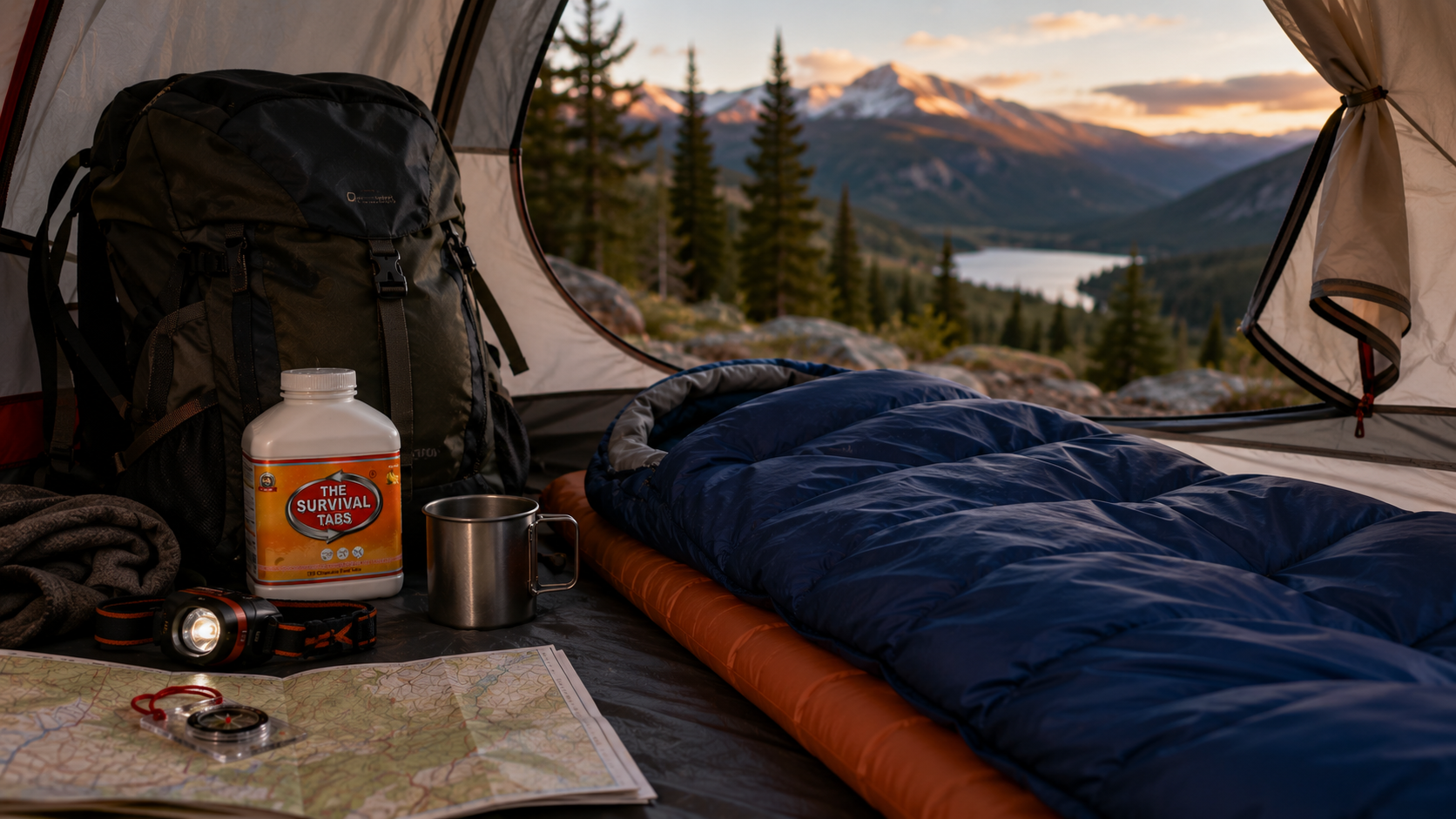
A sleeping bag is one part of a sleep system, not a guarantee of warmth by itself. The right choice depends on the lowest conditions you may realistically face, your sleeping pad, shelter, clothing, moisture, body size, metabolism, and whether you are carrying the bag or transporting it by vehicle.
For most buyers, the safest process is simple: choose the use case first, compare standardized temperature information where available, confirm fit, pair the bag with an appropriate sleeping pad, and test the full system before depending on it in remote or cold conditions.
QUICK ANSWER: WHAT SHOULD YOU CHOOSE?
- Warm-weather car camping: prioritize comfort, room, durability, and easy care; weight and packed size matter less.
- Three-season camping: look for a versatile bag with a realistic temperature margin below the forecast low and enough room for your normal sleep clothing.
- Backpacking: balance warmth, weight, packed volume, moisture management, and price.
- Wet or humid conditions: prioritize moisture protection, a reliable shelter, dry storage, and insulation that matches the trip’s risk.
- Cold-weather camping: use a conservative temperature margin, an insulated sleeping pad, dry base layers, head protection, and a shelter suited to the conditions.
- Emergency vehicle use: choose a durable, roomy system that can remain protected from heat, moisture, and compression, and inspect it seasonally.
- Children and smaller sleepers: confirm the bag fits without excessive empty space and never rely on an adult-sized rating as a substitute for fit and supervision.
UNDERSTAND TEMPERATURE RATINGS BEFORE YOU BUY
A temperature number is not a promise
Temperature ratings are comparison tools. Real warmth varies with the sleeper, clothing, pad insulation, shelter, wind, humidity, food intake, fatigue, and dampness. Treat the stated rating as one input, not a safety boundary.
Comfort, limit, and extreme labels
Some adult sleeping bags display standardized test results such as comfort, limit, and extreme values. Comfort is generally the more useful starting point for a colder sleeper. Limit is a lower benchmark associated with a curled sleeping position. Extreme is a survival-risk value, not a normal sleeping target. Labels and test methods vary, so read the manufacturer’s exact explanation.
Build in a margin
Choose for colder conditions than the forecast low, especially if you sleep cold, are new to camping, expect wind or dampness, or have little opportunity to retreat. Forecasts can change and low areas may be colder than nearby reporting stations.
THE SLEEPING PAD MATTERS AS MUCH AS THE BAG
A sleeping bag compresses underneath your body, reducing its insulation against the ground. A sleeping pad provides cushioning and slows heat loss to the ground. In cool or cold conditions, evaluate the bag and pad together rather than spending the entire budget on the bag.
Check the pad’s insulation information and confirm it is appropriate for the expected ground temperature. Two warm-looking bags on poorly insulated pads can perform worse than modest bags paired with suitable pads.
CHOOSE THE RIGHT INSULATION
Down insulation
Down usually offers an excellent warmth-to-weight ratio and compresses well. Higher-quality down can be very efficient for backpacking. Its disadvantages are cost and the need for careful moisture management. Wet down can lose loft and takes time to dry, although treatments and shell fabrics may improve resistance.
Synthetic insulation
Synthetic bags are often less expensive, tolerate damp conditions well, and can be easier to care for. They are commonly bulkier and heavier for the same warmth. They are practical for car camping, humid environments, youth programs, and emergency supplies where durability matters.
Do not choose by insulation alone
Construction, draft tubes, hood design, zipper quality, shell fabric, fit, pad compatibility, and the user’s habits all affect performance. Compare complete systems rather than assuming one fill type is always superior.
MATCH THE SHAPE TO THE JOB
Mummy bags
A close-fitting mummy shape reduces unused air space and usually saves weight. It is efficient in colder conditions but can feel restrictive to side sleepers or people who move frequently.
Rectangular and semi-rectangular bags
Rectangular bags provide more room and are comfortable for many car campers. The extra space can be harder to warm and increases weight and packed size. Semi-rectangular shapes offer a middle ground.
Quilts
Backpacking quilts remove much of the insulation normally compressed under the sleeper and rely on the pad to complete the system. They can reduce weight but require careful sizing, pad attachment, draft control, and experience in colder conditions.
FIT CHECKLIST
- Confirm the listed user height and shoulder or hip dimensions.
- Lie in your normal sleeping position before buying when possible.
- Check that the hood and draft collar close without obstructing breathing.
- Make sure feet do not press hard against the footbox, which can compress insulation.
- Avoid excessive empty space that your body must warm.
- If layering clothing, confirm the bag still allows circulation and does not crush insulation.
- For children, use appropriately sized equipment and adult supervision.
CAR CAMPING, BACKPACKING, AND EMERGENCY USE
Car camping
Because the vehicle carries the load, comfort, space, price, and durability can take priority over low weight. A roomy synthetic bag, warm pad, and spare blanket may be more practical than a highly compressible expedition bag.
Backpacking
Every ounce and liter of pack volume matters, but cutting weight should not remove the safety margin. Compare packed size, total system weight, expected weather, route exposure, and your ability to exit if conditions deteriorate.
Vehicle emergency kits
A sleeping bag or insulated blanket can support a winter vehicle kit, but it does not replace weather planning, safe driving decisions, communication, fuel, water, food, dry clothing, and an emergency plan. Protect the bag from moisture and prolonged compression, and do not store it where extreme heat or pests can damage it.
CABIN, TENT, AND OPEN-SHELTER CONSIDERATIONS
A cabin may reduce wind and precipitation but can still become very cold. A tent adds weather protection but does not create the insulation of a heated building. Open shelters expose sleepers to wind and wind-driven rain. Choose the sleep system for the actual overnight environment, not the daytime temperature.
Keep the bag away from tent-wall condensation. Use a waterproof liner or dry bag inside the pack, and keep sleep clothing dry until bedtime. National Park Service guidance recommends protecting sleeping bags and clothing inside waterproof bags in wet environments.
HOW TO SLEEP WARMER WITHOUT UNSAFE SHORTCUTS
- Start dry: change out of damp clothing and protect sleep layers from rain and sweat.
- Use an appropriately insulated sleeping pad.
- Wear clean, dry base layers and a hat if needed; avoid so many layers that insulation is compressed or circulation is restricted.
- Eat and hydrate adequately before bed, consistent with your health needs and trip plan.
- Use the hood and draft collar as designed while keeping your face unobstructed.
- Ventilate early if you begin to sweat.
- Keep a dry layer, light, communication device, and exit plan accessible.
- Never use a fuel-burning stove, heater, grill, or flame inside a tent or enclosed sleeping space unless the equipment and shelter are specifically designed and approved for that use. Carbon monoxide can kill without warning.
HYPOTHERMIA: KNOW WHEN A COLD NIGHT IS AN EMERGENCY
Uncontrollable shivering, confusion, slurred speech, loss of coordination, unusual drowsiness, and declining judgment can signal hypothermia. Do not tell a severely cold person simply to “sleep it off.” Move to shelter, remove wet clothing, use dry insulation, begin safe warming, and seek medical help. Handle a severely hypothermic person gently.
CDC guidance emphasizes warming the center of the body and getting proper medical attention. National Park Service guidance also stresses getting out of wind and rain, changing into dry clothing, and using a dry sleeping bag or blankets.
CARE AND STORAGE
After each trip
Air the bag thoroughly and dry it completely before storage. Follow the manufacturer’s cleaning instructions. Spot-clean when appropriate and avoid harsh detergents, high heat, or aggressive washing that can damage insulation or coatings.
Long-term storage
Store the bag clean, dry, and loosely lofted in a large breathable sack or on a hanger if the manufacturer allows it. Do not leave it tightly compressed for months. Protect it from moisture, pests, direct sunlight, and excessive heat.
Before the season
Inspect the shell, seams, zipper, drawcords, hood, draft tubes, and insulation loft. Confirm that the bag still fits, the pad holds air, waterproof storage is intact, and the system matches the planned conditions.
A SIMPLE BUYING PROCESS
1. Define the use: car camping, backpacking, emergency vehicle kit, cabin, or winter camping.
2. Find the realistic lowest temperature and add a conservative margin.
3. Compare the manufacturer’s rating method and use the comfort information when it better matches your needs.
4. Choose down or synthetic insulation based on weight, moisture exposure, care, and budget.
5. Check shape and fit in your normal sleeping position.
6. Pair the bag with an appropriately insulated sleeping pad and weather-capable shelter.
7. Test the complete system close to home before relying on it remotely.
8. Store it loose and dry, then inspect it before every season.
COMMON MISTAKES
- Buying only from the lowest temperature printed on the label.
- Ignoring the sleeping pad and ground temperature.
- Choosing a bag that is too large, too tight, or too short.
- Assuming a tent will keep the inside warm like a building.
- Letting the bag become damp from rain, sweat, or condensation.
- Sleeping in wet clothing or breathing inside the bag until insulation becomes damp.
- Leaving the bag tightly compressed between trips.
- Testing the system for the first time in remote or dangerous conditions.
FREQUENTLY ASKED QUESTIONS
Should I buy a bag rated exactly to the forecast low?
Usually no. Ratings are comparison tools, forecasts can change, and people sleep differently. Choose a realistic safety margin based on the trip, your experience, and your complete sleep system.
Is down always warmer than synthetic insulation?
Not automatically. Down can offer excellent warmth for its weight, but the finished bag’s fill amount, construction, fit, and moisture conditions matter. Synthetic insulation may be the more dependable value in damp or high-wear use.
Can I use two sleeping bags together?
Layering may add warmth, but results are difficult to predict. If the outer bag compresses the inner bag, performance can suffer. Test the combination in controlled conditions and avoid treating improvised layering as a verified temperature rating.
Do I need a sleeping pad in a cabin?
It depends on the sleeping surface and temperature. A cold platform, floor, or cot can draw heat away. Some form of insulation below the sleeper is often valuable even when there is a roof.
How often should I replace a sleeping bag?
There is no universal schedule. Replace or repair it when insulation no longer lofts, baffles shift badly, the shell or zipper fails, contamination cannot be safely cleaned, or the bag no longer fits the intended use.
FINAL CHECKLIST
- Use case and realistic low temperature identified.
- Temperature information understood and a safety margin selected.
- Bag fits the user and normal sleep position.
- Insulation type matches moisture, weight, care, and budget needs.
- Sleeping pad and shelter match the conditions.
- Waterproof packing and dry sleep clothing are ready.
- Emergency exit and communication plan are in place.
- Bag has been tested, dried, inspected, and stored correctly.
SOURCES
National Park Service — Winter Backcountry Camping
National Park Service — Wilderness Travel Basics
National Park Service — Hypothermia Safety
EDITORIAL AND COMPLIANCE NOTES
This guide provides general educational information. Manufacturer instructions and current weather, park, fire, and public-safety rules control. Sleeping bags do not prevent all cold injury, and temperature ratings should not be treated as guarantees.
No brand or insulation type is presented as universally best. Product performance, individual physiology, medical conditions, age, moisture, shelter, wind, elevation, pad insulation, and experience can materially change comfort and safety.