

Septic System Safety During and After Flooding
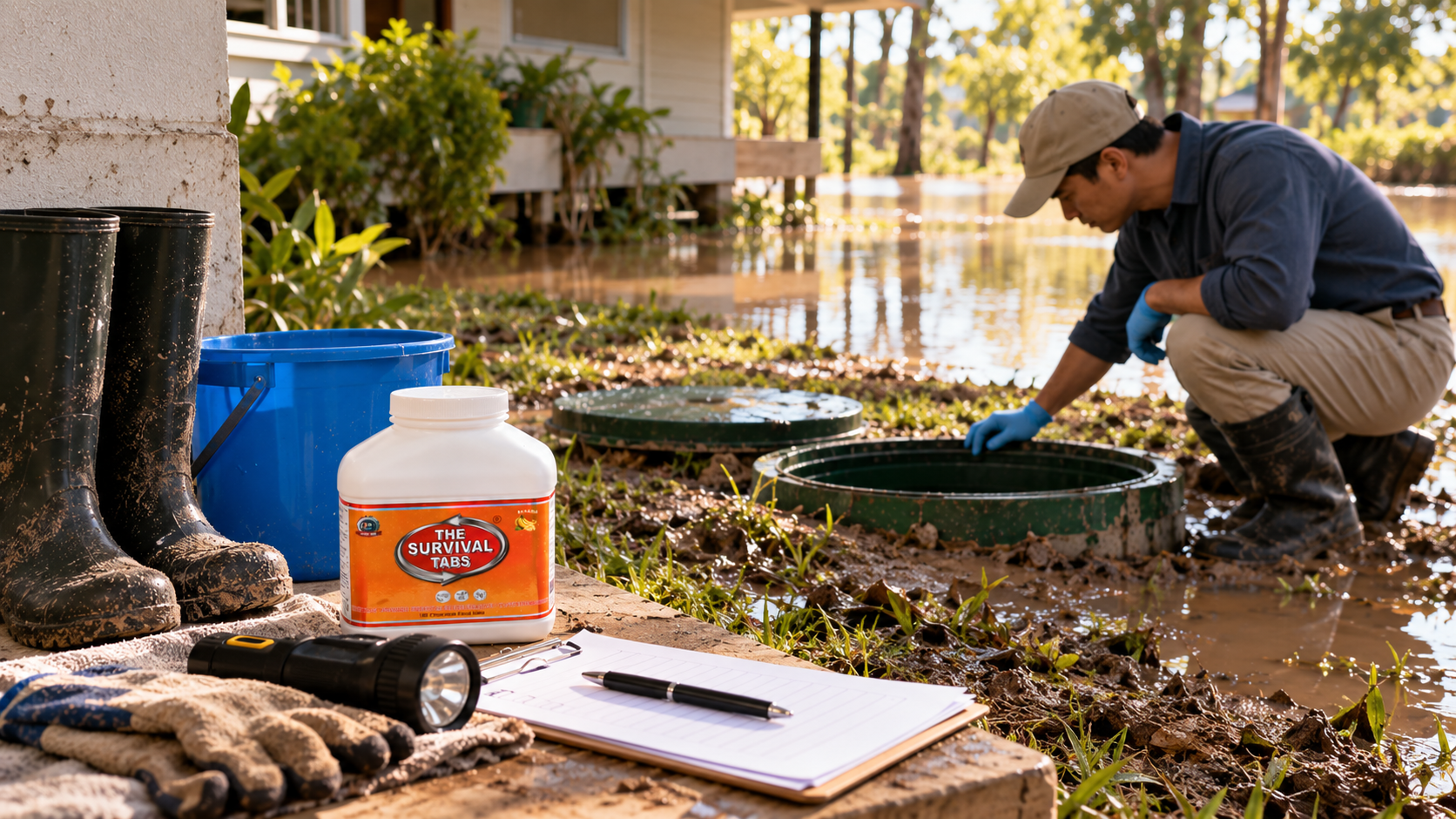
Reduce sewage and system damage during floods by limiting use, avoiding the drainfield, and relying on qualified inspection.
Why flooding changes septic safety
Saturated soil can prevent a drainfield from accepting and treating wastewater. Floodwater may also fill tanks and pump chambers with water, silt, or debris. Warning signs include slow drains, sewage odors, backups, wet ground over the system, or an alarm from a pump chamber.
During flooding
Use as little water as practical and follow local health instructions. Do not flush or drain unnecessary water when the absorption field is saturated. Keep people and pets away from sewage and from the tank and drainfield area. Never enter a septic tank; confined-space gases can kill.
After the water recedes
Do not use the system normally until the water level around the home is below the drainfield and officials or a qualified septic professional advise that use is appropriate. Arrange an inspection if the system backed up, shifted, settled, alarmed, or will not accept water. Electrical connections should be checked before power is restored.
Protect the system from more damage
Do not drive heavy vehicles or operate equipment over a saturated drainfield. Do not open or pump a tank during flooded or saturated conditions unless a qualified professional directs the work; an emptied tank can be damaged or displaced. Keep manhole covers secure and children away.
Handle sewage exposure carefully
Avoid direct contact with sewage. Wear appropriate protective equipment for limited cleanup and follow public-health guidance for disinfection and disposal. Extensive contamination, chemical wastewater, or structural damage requires professional help. Wash hands thoroughly after any cleanup activity.
Sources
U.S. EPA, “Septic Systems—What to Do after the Flood” and “Frequent Questions About Flooded Homes” (epa.gov).
Quick checklist
- Learn the local hazard and official alert channels.
- Choose safe actions, routes, and backup options before an emergency.
- Keep essential supplies accessible and review the plan with everyone involved.
- Follow current instructions from emergency and public-health authorities.
Frequently asked questions
How often should I review this plan?
Review it at least twice a year and after a move, household change, major equipment change, or local emergency.
Should official instructions override this guide?
Yes. Conditions vary, so current directions from emergency responders, utilities, public-health agencies, and local authorities take priority.