Safety and Success in Bowhunting: Best Practices

Bowhunting requires skill, patience, and a strong commitment to safety. Here are some key practices to ensure a safe and successful hunt:
Safety First
1. Always wear a full-body safety harness when hunting from an elevated position[3].
2. Use a haul line to raise your bow and quiver into a tree stand[7].
3. Only nock an arrow when it's safe to shoot[5].
4. Be sure of your target and what's beyond it[5].
5. Never dry fire a bow to avoid damage and potential injury[5].

Best Practices
1. Practice regularly, focusing on one-shot accuracy[2].
2. Use the proper draw weight - 60 pounds is ideal for most deer hunters[2].
3. Shoot with your quiver on during practice to mimic hunting conditions[2].
4. Learn to shoot from various positions, including kneeling[6].
5. Master the art of "floating the pin" for improved accuracy[6].

Success Tips
1. Set up multiple stands to cover major food sources and travel corridors[2].
2. When spot-and-stalk hunting, focus on animals that are feeding or traveling[8].
3. In the "red zone," pay close attention to the animal's behavior and range multiple objects around you[8].
4. Avoid setting up directly over hot sign - instead, position yourself 12-20 steps downwind[6].
5. Use scent control techniques to minimize human odor.
Remember, ethical and safe hunting practices not only ensure your safety but also contribute to the conservation of wildlife and habitats.
#BowhuntingSafety #ArcheryTips #HuntingBestPractices #WildlifeConservation #OutdoorSkills #TreestandSafety #EthicalHunting #BowhuntingSuccess #HuntingPreparation #WildernessAwareness
Citations:
 |
 |
 |
 |
 |
|
|---|---|---|---|---|---|
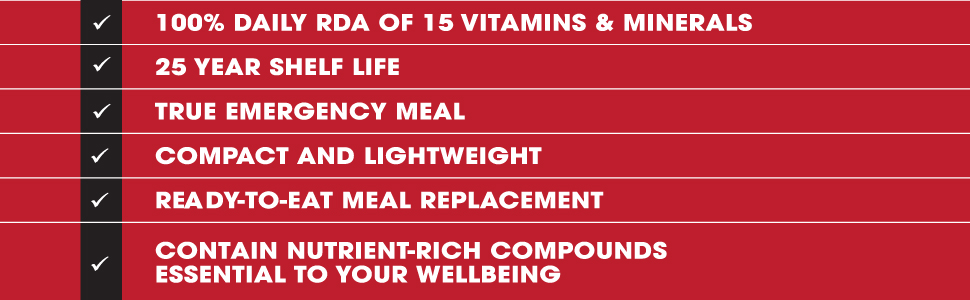
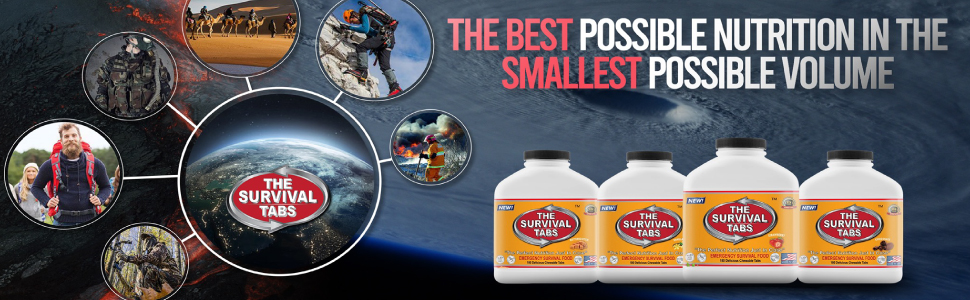
| 720 Tabs Emergency Food Survival Gluten Free and Non-GMO 25 Years Shelf Life | Food Supply 96 Tabs Emergency Food Replacement Disaster Preparedness | Ultimate Preparedness Emergency Food Supply 25 year shelf life | Emergency Food Ration Survival MREs Food Replacement | Emergency Food Survival Food Meal Replacement MREs Gluten Free and Non-GMO | |
| Day Serving | 60 days | 8 days | 120 days | 15 days | 2 days |
| Shelf-Life | 25 years | 25 years | 25 years | 25 years | 25 years |
| Non-GMO | ✓ | ✓ | ✓ | ✓ | ✓ |
| Gluten Free | ✓ | ✓ | ✓ | ✓ | ✓ |
| Tabs Amount | 720 | 96 | 1440 | 180 | 24 |