Preventing Frozen Pipes During Winter Storms
To keep your pipes from freezing during a winter storm:
1. Insulate pipes, especially in unheated areas like attics, basements, and garages[1][6]
2. Open cabinet doors to allow warm air circulation around plumbing[1][6]
3. Let faucets trickle to keep water moving through pipes[1]
4. Seal drafts and cracks that allow cold air near pipes[1][6]
5. Keep garage doors closed if water lines run through[1][6]
6. Maintain a consistent indoor temperature, even at night[6]

Safe Generator Usage During Power Outages
When using a generator during an outage:
1. Keep the generator outdoors to prevent carbon monoxide buildup[2]
2. Install a battery-operated carbon monoxide alarm[2]
3. Keep the generator dry and protected from moisture[2]
4. Use heavy-duty, outdoor-rated extension cords[2]
5. Never plug the generator into a wall outlet (backfeeding)[2]
6. Have a licensed electrician install a proper transfer switch if connecting to house wiring[2]

Essential Winter Emergency Car Kit Items
Your winter emergency car kit should include:
- Blankets, extra gloves, hats, and hand warmers[3]
- Flashlight with spare batteries[3]
- Multi-tool or Swiss army knife[3]
- Non-perishable snacks and water[3]
- Portable phone charger and power bank[3]
- Compact first aid kit[3]
- Ice scraper, shovel, and jumper cables[3]
Preparing Your Home for Warmth During Power Outages
To keep your home warm if the power goes out:
1. Trap heat inside by hanging blankets over windows and stuffing towels under doors[4]
2. Layer clothing and wear hats, socks, and gloves[4]
3. Use alternative heat sources like propane heaters (with proper ventilation)[4]
4. Create a microclimate by setting up a tent indoors[4]
5. Use hot water bottles and hand warmers[4]
6. Consider oil-filled electric radiators if you have a generator[4]
Carbon Monoxide Poisoning Prevention Tips
#CarbonMonoxideSafety #StormPrep #HomeProtection

1. Keep vents clear of snow and debris[5]
2. Never run engines or use grills in enclosed spaces[5]
3. Schedule regular maintenance for fuel-burning appliances[5]
4. Keep fireplaces clean and well-vented[5]
5. Install CO alarms on every level of your home[5]
6. If the CO alarm sounds, immediately move to fresh air and call 911[5]
 |
 |
 |
 |
 |
|
|---|---|---|---|---|---|
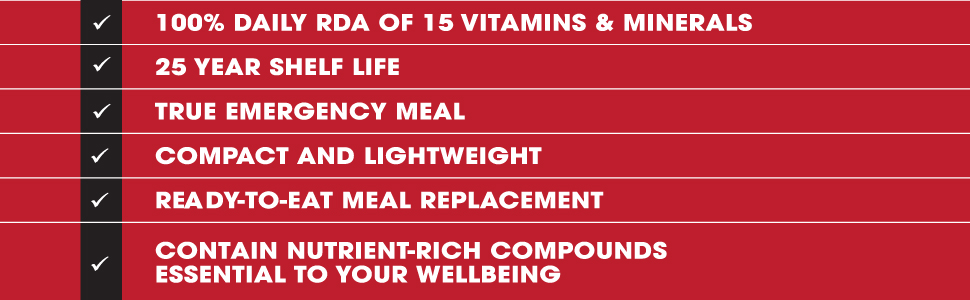
| 720 Tabs Emergency Food Survival Gluten Free and Non-GMO 25 Years Shelf Life | Food Supply 96 Tabs Emergency Food Replacement Disaster Preparedness | Ultimate Preparedness Emergency Food Supply 25 year shelf life | Emergency Food Ration Survival MREs Food Replacement | Emergency Food Survival Food Meal Replacement MREs Gluten Free and Non-GMO | |
| Day Serving | 60 days | 8 days | 120 days | 15 days | 2 days |
| Shelf-Life | 25 years | 25 years | 25 years | 25 years | 25 years |
| Non-GMO | ✓ | ✓ | ✓ | ✓ | ✓ |
| Gluten Free | ✓ | ✓ | ✓ | ✓ | ✓ |
| Tabs Amount | 720 | 96 | 1440 | 180 | 24 |