Preparing for Your Hiking and Long-Distance Travel Adventure
Embarking on a hiking or long-distance travel journey on foot can be an exhilarating experience. Whether you're planning a day hike or a multi-day trek, proper preparation is key to ensuring a safe and enjoyable adventure. Here's a comprehensive guide to help you get ready for your upcoming outdoor expedition.
Physical Preparation
Before hitting the trails, it's crucial to get your body in shape. Start by incorporating regular cardio exercises into your routine, such as walking, jogging, or cycling. Gradually increase the duration and intensity of your workouts to build endurance[3].
Strength Training: Focus on exercises that target your legs, core, and back muscles. Squats, lunges, and planks are excellent choices to improve your hiking stamina.
Practice Hikes: Begin with shorter, easier trails and progressively tackle more challenging terrain. This will help you gauge your fitness level and get accustomed to carrying a backpack[3].
Essential Gear
Investing in the right gear can make a significant difference in your hiking experience. Here are some must-have items:
- Footwear: Choose comfortable, sturdy hiking shoes or boots that provide good ankle support[3].
- Backpack: Select a well-fitting pack with adequate capacity for your trip length.
- Clothing: Opt for moisture-wicking, quick-drying fabrics. Layer your clothing for temperature regulation[3].
- Navigation Tools: Bring a map, compass, and/or GPS device[3].
- First Aid Kit: Pack essential medical supplies for emergencies.
- Sun Protection: Don't forget sunscreen, sunglasses, and a hat[3].
Nutrition and Hydration
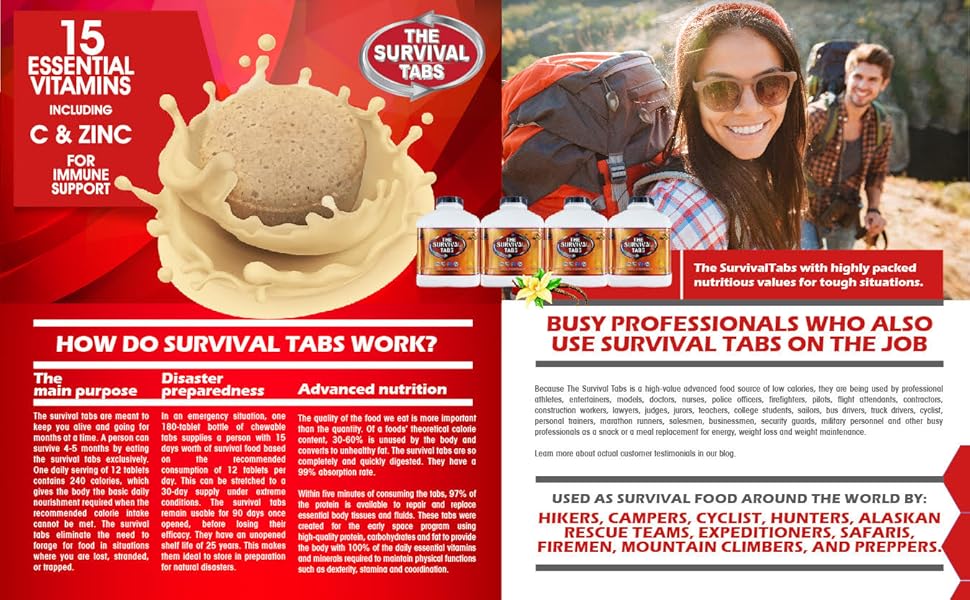
Proper fueling is essential for maintaining energy levels during your hike.
Pre-Hike Meal: Consume a balanced meal rich in complex carbohydrates 2 hours before your hike. Whole-wheat toast, yogurt, fruits, and vegetables are excellent options[3].
Trail Snacks: Pack energy-dense, lightweight snacks such as trail mix, energy bars, and dried fruits. Aim to consume 50-100 calories of carbohydrates every half hour during your hike[3].
Hydration: Drink at least 32 ounces of water before starting your hike. Bring enough water to drink about 16 ounces per hour of hiking[3].
Planning Your Route
Thorough route planning is crucial for a successful hiking trip.
- Research your chosen trail, including difficulty level, distance, and elevation gain.
- Check weather forecasts and trail conditions before setting out.
- Inform someone of your hiking plans and expected return time.
- Familiarize yourself with the map and key landmarks along your route[4].
Leave No Trace
Practice responsible hiking by following Leave No Trace principles:
- Stay on designated trails to protect fragile ecosystems.
- Pack out all trash, including biodegradable items like fruit peels.
- Respect wildlife and maintain a safe distance[4].
Capture and share your hiking adventures on social media using these popular hashtags:
#HikingAdventures #TrailLife #OutdoorExplorer #WildernessWanderer #NatureSeeker #HikeMore #MountainViews #TrailTrekker #AdventureAwaits #ExploreTheOutdoors[1][2][5]
By following these preparation tips and using trending hashtags, you'll be well-equipped for an unforgettable hiking experience while inspiring others to embark on their own outdoor adventures. Remember, the journey is just as important as the destination. Happy trails!
***Statements regarding dietary supplements have not been evaluated by the FDA and are not intended to diagnose, treat, cure, or prevent any disease or health condition.***
 |
 |
 |
 |
 |
|
|---|---|---|---|---|---|
| 720 Tabs Emergency Food Survival Gluten Free and Non-GMO 25 Years Shelf Life | Food Supply 96 Tabs Emergency Food Replacement Disaster Preparedness | Ultimate Preparedness Emergency Food Supply 25 year shelf life | Emergency Food Ration Survival MREs Food Replacement | Emergency Food Survival Food Meal Replacement MREs Gluten Free and Non-GMO | |
| Day Serving | 60 days | 8 days | 120 days | 15 days | 2 days |
| Shelf-Life | 25 years | 25 years | 25 years | 25 years | 25 years |
| Non-GMO | ✓ | ✓ | ✓ | ✓ | ✓ |
| Gluten Free | ✓ | ✓ | ✓ | ✓ | ✓ |
| Tabs Amount | 720 | 96 | 1440 | 180 | 24 |