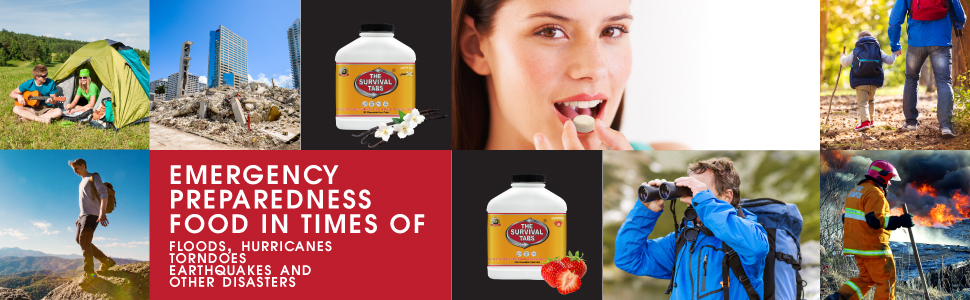
Preparing for the Unexpected: Natural Disasters, Emergency Kits, and Disaster Relief
Natural disasters can strike anywhere, anytime. Being prepared and knowing what to expect can make all the difference in keeping you and your loved ones safe. Let's explore common natural disasters, emergency preparedness, and available assistance.
Common Natural Disasters Across the United States
While the specific natural disasters you might face depend on your location, here are some of the most common threats across the country:
1. Hurricanes: Primarily affecting coastal states, especially in the Southeast and along the Gulf Coast[1].
2. Wildfires: A significant threat in Western states like California, Oregon, and Colorado[1].
3. Tornadoes: Common in the Midwest and South, particularly in "Tornado Alley"[1].
4. Floods: Can occur in any state, often following heavy rains or snowmelt[1].
5. Earthquakes: Most frequent in California, Alaska, and along the Pacific Northwest[1].
6. Severe winter storms: Common in Northern and Northeastern states[1].
To determine the most common natural disasters in your specific state, check your state's emergency management agency website or consult local authorities.
Creating an Emergency Kit for Your Family
An emergency kit is essential for surviving the first 72 hours after a disaster. Here's what to include:
1. Water: One gallon per person per day for at least three days
2. Non-perishable food: At least a three-day supply
3. Battery-powered or hand-crank radio
4. Flashlight and extra batteries
5. First aid kit
6. Whistle to signal for help
7. Dust masks, plastic sheeting, and duct tape for shelter
8. Moist towelettes, garbage bags, and plastic ties for sanitation
9. Wrench or pliers to turn off utilities
10. Manual can opener
11. Cell phone with chargers and backup battery
12. Prescription medications and glasses
13. Important family documents in a waterproof container
14. Cash and change
15. Sleeping bags or warm blankets
16. Change of clothes and sturdy shoes
17. Household chlorine bleach and medicine dropper for water purification
18. Fire extinguisher
19. Matches in a waterproof container
20. Personal hygiene items
Remember to customize your kit based on your family's specific needs, including items for pets if applicable.
Best Practices for Evacuating During a Disaster
When evacuation becomes necessary, follow these best practices:
1. Stay informed: Monitor local news and emergency broadcasts for updates.
2. Follow evacuation orders promptly: Don't wait until the last minute.
3. Know your evacuation route: Plan multiple routes in case some are blocked.
4. Have a full tank of gas: Fill up as soon as evacuation seems likely.
5. Bring your emergency kit: Include important documents and medications.
6. Secure your home: Lock doors and windows, unplug appliances, and turn off utilities if instructed.
7. Communicate your plans: Let family and friends know where you're going.
8. Help neighbors: Assist those who may need extra help evacuating.
9. Be prepared for traffic: Expect delays and be patient.
10. Stay connected: Keep your phone charged and bring a car charger.
Volunteering with Your Local Emergency Management Agency
To volunteer with your local emergency management agency:
1. Contact your state or local emergency management office.
2. Inquire about volunteer opportunities and training programs.
3. Consider joining established organizations like the Community Emergency Response Team (CERT) or American Red Cross.
4. Attend disaster preparedness workshops and training sessions.
5. Participate in community emergency drills and exercises.
6. Offer specific skills you may have, such as medical training or language abilities.
Remember that proper training is crucial for effective disaster response.
Financial Assistance After a Natural Disaster
Several forms of financial assistance are available after a natural disaster:
1. FEMA Individual Assistance: Provides grants for temporary housing, home repairs, and other disaster-related expenses[2].
2. Small Business Administration (SBA) Disaster Loans: Offers low-interest loans to homeowners, renters, and businesses[2].
3. Disaster Unemployment Assistance: Provides unemployment benefits to those who lost work due to a disaster[2].
4. Tax Relief: The IRS may provide tax relief for disaster victims.
5. State and Local Programs: Many states and local governments offer additional assistance programs.
6. Non-profit Organizations: Groups like the Red Cross and Salvation Army often provide immediate aid and long-term recovery support.
To access these resources, start by registering with FEMA at DisasterAssistance.gov or by calling 1-800-621-FEMA (3362).
#NaturalDisasterPrep #EmergencyKit #EvacuationTips #DisasterRelief #CommunityResilience #EmergencyManagement #FinancialAssistance #DisasterResponse
By understanding the risks in your area, preparing an emergency kit, knowing how to evacuate safely, and being aware of available assistance, you can significantly improve your resilience in the face of natural disasters. Stay informed, stay prepared, and stay safe!
 |
 |
 |
 |
 |
|
|---|---|---|---|---|---|
| 720 Tabs Emergency Food Survival Gluten Free and Non-GMO 25 Years Shelf Life | Food Supply 96 Tabs Emergency Food Replacement Disaster Preparedness | Ultimate Preparedness Emergency Food Supply 25 year shelf life | Emergency Food Ration Survival MREs Food Replacement | Emergency Food Survival Food Meal Replacement MREs Gluten Free and Non-GMO | |
| Day Serving | 60 days | 8 days | 120 days | 15 days | 2 days |
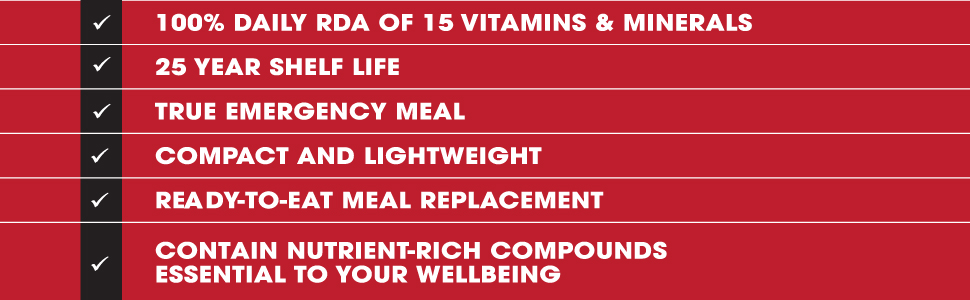
| Shelf-Life | 25 years | 25 years | 25 years | 25 years | 25 years |
| Non-GMO | ✓ | ✓ | ✓ | ✓ | ✓ |
| Gluten Free | ✓ | ✓ | ✓ | ✓ | ✓ |
| Tabs Amount | 720 | 96 | 1440 | 180 | 24 |