

Preparing for natural disasters like earthquakes and food shortages
Preparing for natural disasters like earthquakes and food shortages is crucial for ensuring safety and resilience. This guide will cover essential steps for pre- and post-earthquake preparation, as well as strategies for dealing with food shortages. We'll also include trending hashtags to help spread awareness and encourage community support.

Pre-Earthquake Preparation
Before an Earthquake
Assess and Secure Your Home:
Prepare an emergency kit with essentials such as water, non-perishable food, medications, flashlights, batteries, and a first aid kit[#EmergencyKit][5].
 During an Earthquake

Stockpiling Essentials

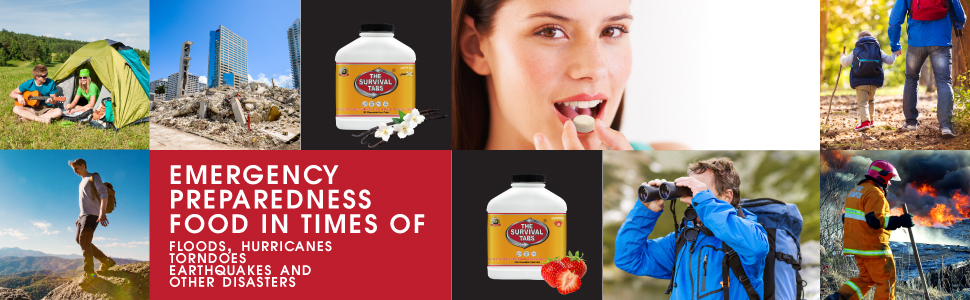

Pre-Earthquake Preparation
Before an Earthquake
Assess and Secure Your Home:
- Store breakable items in low, closed cabinets and fasten shelves securely to walls to prevent them from falling during an earthquake[#HomeSafety][5].
- Hang heavy items, such as pictures and mirrors, away from beds and couches, and secure overhead light fixtures[#SecureYourHome][5].
- Repair any deep cracks in walls, ceilings, and foundations, and ensure your home is properly braced and bolted to its foundation[#StructuralIntegrity][5].
- Establish a family communication plan, including meeting points and emergency contacts[#FamilyPlan][5].
- Identify safe places in each room, such as under sturdy furniture or against an inside wall, and practice earthquake drills with your family[#EarthquakeDrill][5].
Prepare an emergency kit with essentials such as water, non-perishable food, medications, flashlights, batteries, and a first aid kit[#EmergencyKit][5].
- If Indoors: Drop, cover, and hold on. Take cover under sturdy furniture or against an interior wall, away from windows and heavy objects that could fall[#StaySafe][5].
- If Outdoors: Move to an open area away from buildings, trees, streetlights, and utility wires[#OutdoorSafety][5].
- If in a Vehicle: Stop in a clear area and remain inside the vehicle until the shaking stops. Avoid bridges and overpasses that may be damaged[#VehicleSafety][5].
- Safety First: Wear sturdy shoes to avoid injury from broken glass and debris, and be prepared for aftershocks[#AftershockSafety][2].
- Check for injuries and provide first aid if necessary. Avoid using the phone unless it's an emergency to keep lines open for emergency services[#FirstAidReady][2].
- Inspect Your Home: Check your home for structural damage and avoid entering if it appears unsafe. Report any hazards to local authorities[#HomeInspection][2].
Stockpiling Essentials
- Determine Your Needs: Assess how much food and water your household will need for at least a three-day period, considering special dietary requirements[#FoodPlanning][3].
- Start Small and Buy in Bulk: Begin by purchasing non-perishable items such as canned goods, dried fruits, nuts, grains, and beans. Buying in bulk can save money and ensure you have a sufficient supply[#StockpileSmart][3].
- Store Properly: Keep your food stockpile in a cool, dry place, away from direct sunlight and heat sources. Regularly rotate your stockpile to maintain freshness[#FoodStorage][3].
- Urban Gardening: Utilize available space for growing food, such as windowsills, balconies, or community gardens. This can supplement your food supply and reduce dependency on external sources[#UrbanGardening][4].
- Choose Easy-to-Grow Plants: Start with plants that require minimal maintenance, such as herbs, tomatoes, and leafy greens. These can be grown in small spaces and provide fresh produce during shortages[#GrowYourOwn][4].
Post-Disaster Recovery
- Assess and Document Damage: Take photographs of any damage for insurance claims and contact your insurance company to report the damage[#InsuranceClaims][2].
- Seek Assistance: Reach out to local emergency services and relief organizations for support and resources. Community support can be invaluable during recovery[#CommunitySupport][1].
- Stay Informed: Continue to monitor local news and updates from authorities regarding safety, available resources, and recovery efforts[#StayInformed][1].
By following these guidelines, you can better prepare for earthquakes and food shortages, ensuring the safety and well-being of your family. Use the provided hashtags to share information and encourage others to take proactive steps in disaster preparedness. Remember, preparation is key to minimizing the impact of these events and fostering resilience within your community.
***Statements regarding dietary supplements have not been evaluated by the FDA and are not intended to diagnose, treat, cure, or prevent any disease or health condition.***
 |
 |
 |
 |
 |
|
|---|---|---|---|---|---|
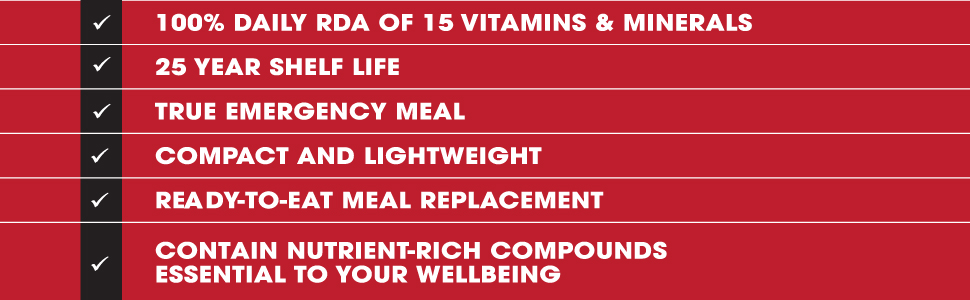
| 720 Tabs Emergency Food Survival Gluten Free and Non-GMO 25 Years Shelf Life | Food Supply 96 Tabs Emergency Food Replacement Disaster Preparedness | Ultimate Preparedness Emergency Food Supply 25 year shelf life | Emergency Food Ration Survival MREs Food Replacement | Emergency Food Survival Food Meal Replacement MREs Gluten Free and Non-GMO | |
| Day Serving | 60 days | 8 days | 120 days | 15 days | 2 days |
| Shelf-Life | 25 years | 25 years | 25 years | 25 years | 25 years |
| Non-GMO | ✓ | ✓ | ✓ | ✓ | ✓ |
| Gluten Free | ✓ | ✓ | ✓ | ✓ | ✓ |
| Tabs Amount | 720 | 96 | 1440 | 180 | 24 |