

Preparing for natural disasters
Preparing for natural disasters such as hurricanes, tropical storms, and earthquakes is crucial to ensure safety and minimize damage. This comprehensive guide outlines steps to take before, during, and after these events, incorporating trending hashtags to help spread awareness and preparedness tips.

Pre-Hurricane and Tropical Storm Preparation
Before the Storm
Stay Informed:


Post-Disaster Recovery
Assess and Document Damage:
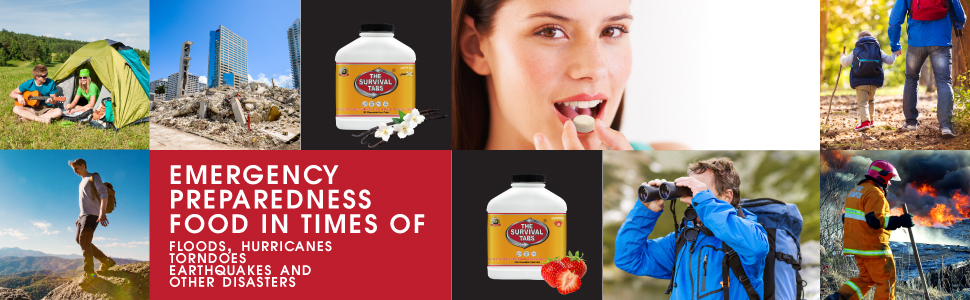

Pre-Hurricane and Tropical Storm Preparation
Before the Storm
Stay Informed:
- Sign up for local alerts and weather updates to stay informed about potential storms[#StaySafe][1].
- Understand the difference between a hurricane watch (conditions possible) and a warning (conditions expected) [#WeatherAlert][2].
- Develop a family communication plan and establish a meeting point in case of separation[#FamilySafety][1].
- Know your evacuation routes and have a plan for where to stay if you need to evacuate[#EvacuationPlan][2].
- Assemble a kit with non-perishable food, water, medications, flashlights, batteries, and important documents[#EmergencyKit][1][2].
- Include items for pets and any specific needs your family might have[#PetPreparedness][2].
- Install storm shutters or board up windows to protect against high winds[#HomeSafety][2].
- Secure outdoor items that could become projectiles during the storm[#SecureYourStuff][2].
- Follow local authorities' guidance and evacuate if advised[#ListenToAuthorities][1].
- Shelter in a small, interior, windowless room on the lowest level if staying home[#ShelterInPlace][5].
- Avoid floodwaters and downed power lines[#FloodSafety][5].
- Inspect your home for damage and report any hazards to local authorities[#PostStormSafety][2].
Pre-Earthquake Preparation
Before an Earthquake
Assess and Secure Your Home:
- Identify potential hazards and secure heavy furniture and appliances to walls or floors[#HomeSafety][3][4].
- Learn how to turn off utilities like gas, water, and electricity[#UtilitySafety][3].
- Establish a family meeting point and ensure everyone knows the plan[#FamilySafety][4].
- Prepare emergency kits with essentials for at least three days[#EmergencyKit][4].
- Conduct regular earthquake drills with your family to practice "Drop, Cover, and Hold On" techniques[#EarthquakeDrill][4].
- Learn first aid and keep a first aid kit accessible[#FirstAidReady][3].
- If indoors, stay inside and take cover under sturdy furniture or against an interior wall[#StaySafe][3].
- If outdoors, move to an open area away from buildings, trees, and power lines[#OutdoorSafety][3].
- Check for injuries and provide first aid if necessary[#FirstAidReady][3].
- Inspect your home for structural damage and avoid entering damaged buildings[#HomeInspection][3].
- Be prepared for aftershocks and stay informed through a battery-powered radio[#StayAlert][4].
Post-Disaster Recovery
Assess and Document Damage:
- Take photographs of any damage for insurance claims[#InsuranceClaims][1].
- Contact your insurance company to report the damage and begin the claims process[#InsuranceHelp][1].
- Avoid using tap water until authorities confirm it's safe[#WaterSafety][1].
- Wear protective clothing and gear when cleaning up debris[#CleanupSafety][1].
- Reach out to local emergency services and relief organizations for support and resources[#CommunitySupport][5].
- Connect with neighbors and community members to share resources and information[#CommunityHelp][5].
By following these preparation and recovery steps, individuals and families can enhance their resilience against hurricanes, tropical storms, and earthquakes. Using trending hashtags can help spread vital information and encourage others to prepare effectively. Remember, preparation is key to minimizing the impact of these natural disasters on your life and community.
[5] https://www.redcross.org/get-help/how-to-prepare-for-emergencies/types-of-emergencies/hurricane.html
***Statements regarding dietary supplements have not been evaluated by the FDA and are not intended to diagnose, treat, cure, or prevent any disease or health condition.***
 |
 |
 |
 |
 |
|
|---|---|---|---|---|---|
| 720 Tabs Emergency Food Survival Gluten Free and Non-GMO 25 Years Shelf Life | Food Supply 96 Tabs Emergency Food Replacement Disaster Preparedness | Ultimate Preparedness Emergency Food Supply 25 year shelf life | Emergency Food Ration Survival MREs Food Replacement | Emergency Food Survival Food Meal Replacement MREs Gluten Free and Non-GMO | |
| Day Serving | 60 days | 8 days | 120 days | 15 days | 2 days |
| Shelf-Life | 25 years | 25 years | 25 years | 25 years | 25 years |
| Non-GMO | ✓ | ✓ | ✓ | ✓ | ✓ |
| Gluten Free | ✓ | ✓ | ✓ | ✓ | ✓ |
| Tabs Amount | 720 | 96 | 1440 | 180 | 24 |