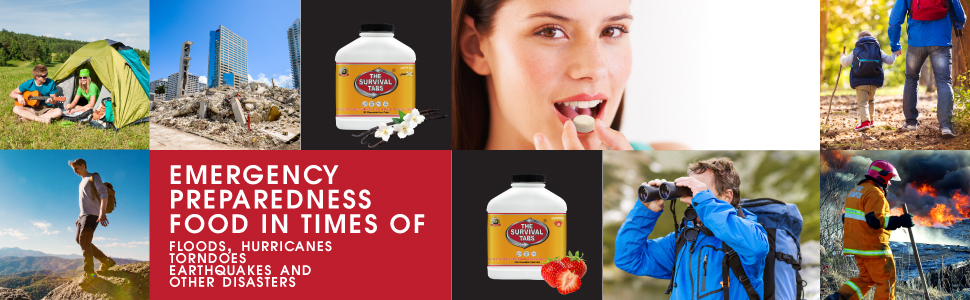
Preparing for Fire, Forest Fires, and Natural Disasters: A Comprehensive Guide to Safeguarding Your Home and Community
In this blog, we'll outline key strategies for pre-disaster preparation and post-disaster recovery, with a focus on fire and flood risks. By planning ahead, you can enhance the safety of your home, secure your assets, and strengthen your community's ability to respond to and recover from disasters.

Pre-Disaster Preparation: What to Do Before a Fire or Flood
1. Create a Disaster Preparedness Plan
Start by developing a disaster preparedness plan that covers fire and flood scenarios. This plan should include:
- Evacuation routes: Map out several exits from your home and neighborhood.
- Communication plan: Ensure your family knows how to communicate if separated. Share emergency contact details and choose a meeting point.
- Emergency supplies: Stockpile enough non-perishable food, water, and supplies to last for at least three days. Include first-aid kits, flashlights, batteries, and important medications.
- Important documents: Secure vital documents (insurance policies, identification, deeds) in a fireproof and waterproof safe or store them digitally.
If you live in an area prone to wildfires, creating defensible space around your home can drastically reduce the chance of your property catching fire. Here’s how:
- Clear vegetation: Keep the area within 30 feet of your home clear of dry vegetation, dead leaves, and flammable materials.
- Landscape with fire-resistant plants: Use plants that retain moisture and resist combustion, such as succulents and native species.
- Maintain your property: Regularly clean gutters, trim trees, and remove any dead branches. Ensure trees are spaced properly to prevent fire from spreading.
- Fireproof roofing and siding: Consider upgrading to fire-resistant materials for your roof, windows, and siding. Metal and tile roofs, tempered glass, and non-combustible siding can add extra protection.
- Install a sprinkler system: Exterior sprinklers, especially on the roof, can help wet the property before a fire reaches your home.

For areas prone to flooding, floodproofing your home can mitigate the risk of water damage:
- Elevate utilities: Raise your electrical systems, HVAC units, and water heaters above potential flood levels.
- Install flood barriers: Sandbags, flood gates, or other barriers can help keep floodwaters away from your home.
- Seal walls and basements: Use waterproof sealants to prevent water from entering through cracks in walls or foundations.
- Install sump pumps: Sump pumps help remove water that collects in basements and crawl spaces during floods.
Review your homeowner’s insurance policy to ensure you’re adequately covered for fire, flood, and other natural disasters. Standard policies may not cover flood damage, so you may need additional coverage through programs like the National Flood Insurance Program (NFIP).
5. Participate in Community Preparedness
Disaster preparedness isn't just about individual households; communities need to work together to reduce risk. Consider joining a Community Emergency Response Team (CERT) or similar local initiatives to ensure your neighborhood is disaster-ready.
Work with local authorities to develop evacuation plans and fire safety zones, and advocate for measures such as firebreaks, flood levees, and water management systems.

Post-Disaster Recovery: What to Do After a Fire or Flood
1. Ensure Immediate Safety
After a disaster, safety is the top priority. Follow these steps:
- Listen to authorities: Stay tuned to local alerts and only return to your property when it’s declared safe.
- Avoid hazards: Be cautious of downed power lines, weakened structures, and lingering floodwaters, which may contain contaminants or debris.
2. Assess and Document Damage
Once it’s safe, carefully assess and document the damage to your home and property:
- Take photos and videos of the damage for insurance claims. Be thorough, covering every room and exterior areas.
- List damaged items, including their value and condition prior to the disaster.
- Keep records of cleanup costs, repairs, and any living expenses if you need to relocate temporarily.
Contact your insurance provider as soon as possible to file a claim. Provide the documentation you’ve gathered, including photos, videos, and any estimates for repairs. Be proactive in following up with your insurer to ensure timely processing of your claim.

In the aftermath of a disaster, cleaning up and repairing your home can be overwhelming. Consider the following:
- Water damage: If flooding has occurred, remove standing water and dry out the property as quickly as possible to prevent mold growth. Use fans, dehumidifiers, and professional cleaning services if necessary.
- Fire damage: For homes impacted by fire, cleanup may involve removing smoke damage, replacing charred materials, and addressing structural issues. A professional fire restoration company can help assess the scope of the damage.
- Hazardous waste: Be cautious when dealing with floodwaters, which may contain sewage or hazardous materials. Wear protective gear and dispose of contaminated materials properly.
As you rebuild, take the opportunity to strengthen your home’s defenses against future disasters:
- Upgrade materials: Use fireand flood-resistant building materials for repairs and replacements.
- Improve landscaping: Implement more effective fireproof or flood-resistant landscaping solutions.
- Enhance protection systems: Invest in home protection technology like fire alarms, smart sprinklers, and weather monitoring systems.
6. Support Community Recovery Efforts
Post-disaster recovery is a community-wide effort. As you rebuild, offer support to neighbors who may need help. Participate in local initiatives to improve preparedness for future events, whether that means attending town meetings on wildfire safety or advocating for flood control measures in your area.
Trending Hashtags for Disaster Preparedness and Recovery
When discussing disaster preparedness and recovery on social media, here are some trending hashtags to use:
#DisasterPreparedness
#FireSafety
#WildfirePreparedness
#FloodSafety
#HomeProtection
#CommunityResilience
#StaySafe
#NaturalDisaster
#EmergencyPreparedness
#ClimateResilience
Preparing for fire, forest fires, floods, and other natural disasters requires both individual action and community collaboration. By implementing practical steps before a disaster and knowing what to do in the aftermath, you can protect your home, assets, and loved ones.
Taking the time to create a disaster preparedness plan, fortify your home, and insure your property will give you peace of mind and ensure that you’re ready for anything. Stay connected with your community and support efforts to reduce risks and enhance resilience. Together, you can safeguard your home and build a safer future.
***Statements regarding dietary supplements have not been evaluated by the FDA and are not intended to diagnose, treat, cure, or prevent any disease or health condition.***
 |
 |
 |
 |
 |
|
|---|---|---|---|---|---|
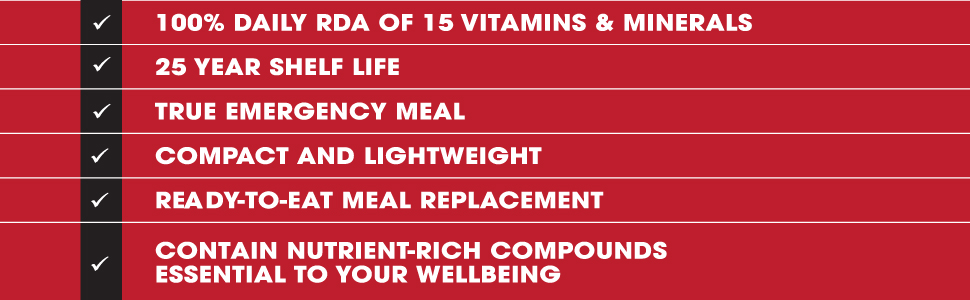
| 720 Tabs Emergency Food Survival Gluten Free and Non-GMO 25 Years Shelf Life | Food Supply 96 Tabs Emergency Food Replacement Disaster Preparedness | Ultimate Preparedness Emergency Food Supply 25 year shelf life | Emergency Food Ration Survival MREs Food Replacement | Emergency Food Survival Food Meal Replacement MREs Gluten Free and Non-GMO | |
| Day Serving | 60 days | 8 days | 120 days | 15 days | 2 days |
| Shelf-Life | 25 years | 25 years | 25 years | 25 years | 25 years |
| Non-GMO | ✓ | ✓ | ✓ | ✓ | ✓ |
| Gluten Free | ✓ | ✓ | ✓ | ✓ | ✓ |
| Tabs Amount | 720 | 96 | 1440 | 180 | 24 |