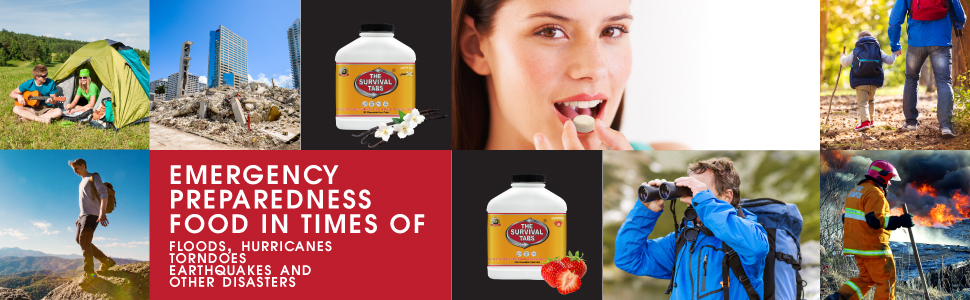
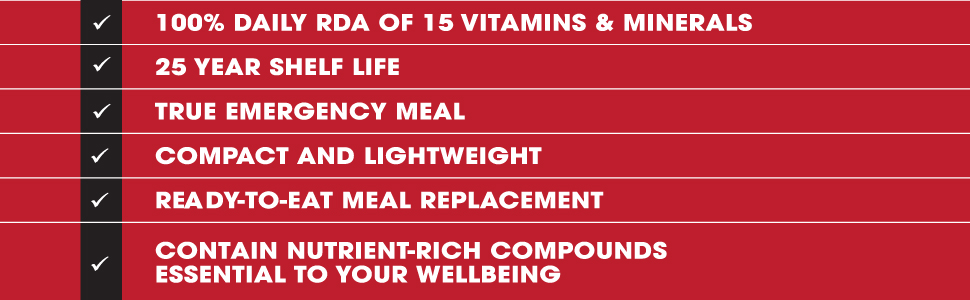
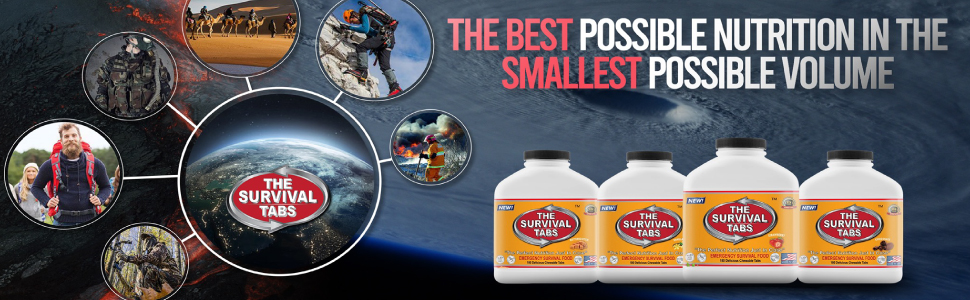
Preparing for and recovering from pandemics and health emergencies
Preparing for and recovering from pandemics and health emergencies requires a comprehensive approach. This guide covers key steps for pre- and post-pandemic preparedness, addressing behavioral challenges in schools, and staying resilient during health crises like mpox.
Pre-Pandemic Preparation
Build Your Emergency Kit
- Stock up on non-perishable food, water, and essential supplies for at least 14 days[#EmergencyPrep].
- Include medications, first aid supplies, and hygiene items[#MedicalReadiness].
- Have masks, hand sanitizer, and cleaning supplies ready[#HealthSafety].
Develop a Family Plan
- Create a communication strategy with out-of-area contacts[#FamilyPlan].
- Establish protocols for different scenarios (lockdown, evacuation)[#EmergencyProtocol].
- Practice your plan regularly with all family members[#PreparednessDrills].
Strengthen Your Health
- Maintain a healthy lifestyle to boost your immune system[#ImmuneBoost].
- Stay up-to-date with vaccinations[#VaccineReady].
- Learn proper hand hygiene and respiratory etiquette[#HealthHabits].

Set Up for Remote Work/Learning
- Ensure you have reliable internet and necessary technology[#RemoteReady].
- Create dedicated workspaces at home[#HomeOffice].
- Familiarize yourself with remote communication tools[#DigitalSkills].
Post-Pandemic Recovery
Mental Health Support
- Be aware of potential mental health impacts[#MentalHealthAwareness].
- Seek professional help if needed[#TherapyHelps].
- Practice stress-reduction techniques like meditation or yoga[#StressRelief].
Rebuild Social Connections
- Gradually re-engage with social activities as it becomes safe[#SocialReconnection].
- Be patient with yourself and others as you readjust[#Patience].
- Support local businesses and community initiatives[#CommunitySupport].
Adapt to the "New Normal"
- Stay informed about evolving health guidelines[#StayInformed].
- Be flexible with changing work and social norms[#Adaptability].
- Continue good hygiene practices learned during the pandemic[#HealthyHabits].
Addressing Post-Pandemic Behavioral Challenges in Schools
Understand the "Bubble" of Bad Behavior
- Recognize that disrupted schooling may lead to behavioral issues[#EducationChallenges].
- Expect a potential peak in challenging behaviors as students readjust[#BehaviorBubble].
Implement Supportive Strategies
- Provide extra emotional support and counseling services[#StudentSupport].
- Train teachers in trauma-informed practices[#TraumaInformedEducation].
- Create structured environments with clear expectations[#ClassroomStructure].
Foster Resilience
- Encourage open communication about feelings and experiences[#EmotionalLiteracy].
- Implement social-emotional learning programs[#SEL].
- Celebrate small victories and progress[#PositiveReinforcement].
Preparing for Health Emergencies Like Mpox
Stay Informed
- Follow updates from reliable health organizations[#HealthUpdates].
- Understand transmission methods and symptoms[#DiseaseAwareness].
- Know where to get tested and treated if needed[#HealthResources].
Practice Prevention
- Maintain good personal hygiene[#HygieneMatters].
- Avoid close contact with infected individuals[#SocialDistancing].
- Get vaccinated if recommended and available[#VaccineProtection].
Be Prepared for Potential Outbreaks
- Have a quarantine plan ready if needed[#QuarantinePrep].
- Stock up on necessary supplies[#EmergencyKit].
- Know your workplace and school policies regarding health emergencies[#PolicyAwareness].
General Health Emergency Preparedness
Build Community Resilience
- Participate in local emergency preparedness initiatives[#CommunityResilience].
- Share accurate information with neighbors and friends[#InfoSharing].
- Support vulnerable community members[#Communitycare].
Develop Personal Resilience
- Build a strong support network[#SupportNetwork].
- Learn coping strategies for stress and uncertainty[#CopingSkills].
- Stay physically active and maintain a healthy diet[#HealthyLifestyle].
Financial Preparedness
- Build an emergency fund[#EmergencySavings].
- Understand your health insurance coverage[#InsuranceAwareness].
- Have a plan for potential income disruption[#FinancialResilience].
As we navigate the complexities of pandemics and health emergencies, it's crucial to remain adaptable and resilient. By preparing thoroughly, staying informed, and supporting our communities, we can better weather these challenges. Remember, preparation is an ongoing process, not a one-time event.
Trending hashtags to use when sharing this information:
#PandemicPrep
#HealthEmergencyReady
#ResilienceMatters
#CommunityStrength
#EducationResilience
#MentalHealthAwareness
#SafetyFirst
#PreparedNotScared
#HealthyHabits
#StayInformed
By following these guidelines and using these hashtags, we can help spread awareness about responsible preparedness while building more resilient individuals, families, and communities. Remember, the goal is not to live in fear, but to be ready for whatever health challenges may arise, all while maintaining a positive and community-oriented mindset.
***Statements regarding dietary supplements have not been evaluated by the FDA and are not intended to diagnose, treat, cure, or prevent any disease or health condition.***
 |
 |
 |
 |
 |
|
|---|---|---|---|---|---|
| 720 Tabs Emergency Food Survival Gluten Free and Non-GMO 25 Years Shelf Life | Food Supply 96 Tabs Emergency Food Replacement Disaster Preparedness | Ultimate Preparedness Emergency Food Supply 25 year shelf life | Emergency Food Ration Survival MREs Food Replacement | Emergency Food Survival Food Meal Replacement MREs Gluten Free and Non-GMO | |
| Day Serving | 60 days | 8 days | 120 days | 15 days | 2 days |
| Shelf-Life | 25 years | 25 years | 25 years | 25 years | 25 years |
| Non-GMO | ✓ | ✓ | ✓ | ✓ | ✓ |
| Gluten Free | ✓ | ✓ | ✓ | ✓ | ✓ |
| Tabs Amount | 720 | 96 | 1440 | 180 | 24 |