Preparing for a Storm Like Tropical Storm Debby

- Stay Informed: Monitor local weather forecasts and updates from emergency management officials. Sign up for emergency alerts specific to your area, such as Cumberland Alerts in North Carolina[4].
- Emergency Kit: Prepare an emergency kit that includes essentials such as water (one gallon per person per day), non-perishable food, a battery-powered or hand-crank radio, a flashlight, a first aid kit, extra batteries, and a whistle for signaling help[2].
- Home Preparations: Secure outdoor items, reinforce windows and doors, and ensure that your home is equipped to handle potential flooding. Sandbags may be distributed by local authorities to help protect against flooding[2].
- Evacuation Plans: Know your evacuation routes and have a plan in place in case an evacuation is necessary. This includes identifying nearby shelters and having a go-bag ready.
- Avoid Floodwaters: Do not attempt to walk or drive through floodwaters, as they can be deeper and move more swiftly than they appear. Half of flood-related fatalities occur when people drive into floodwaters[2].
- Seek Higher Ground: Move to higher ground immediately if a flash flood warning is issued or if you suspect flooding is imminent.
- Stay Informed: Keep a battery-powered radio to receive updates and instructions from local authorities.
- Water and Food: At least a three-day supply of water and non-perishable food.
- Communication Tools: A battery-powered or hand-crank radio, a NOAA Weather Radio with tone alert, and extra batteries.
- Lighting and Tools: A flashlight, extra batteries, and a whistle for signaling help.
- Medical Supplies: A first aid kit and necessary medications, especially those requiring refrigeration[2].
- Community Alerts: Encourage neighbors to sign up for local emergency alerts and share information about preparation resources.
- Volunteer: Participate in community emergency response teams or local volunteer organizations to assist in preparation and response efforts.
- Education: Help educate others about the risks of natural disasters and the importance of preparedness through community meetings or social media.

Signs a Storm is Getting Worse
- Increasing Wind Speeds: Stronger winds and more frequent gusts can indicate that a storm is intensifying.
- Heavy Rainfall: Persistent and heavy rainfall can lead to flooding and is a sign that the storm is worsening.
- Warnings and Alerts: Pay attention to updates from meteorological services regarding changes in the storm's intensity or path[1][2].
***Statements regarding dietary supplements have not been evaluated by the FDA and are not intended to diagnose, treat, cure, or prevent any disease or health condition.***
 |
 |
 |
 |
 |
|
|---|---|---|---|---|---|
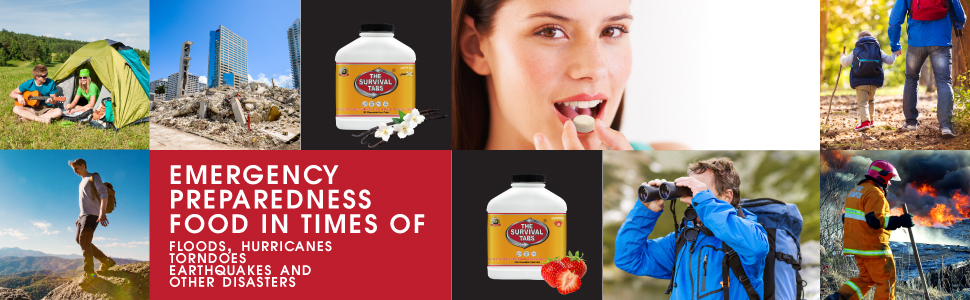
| 720 Tabs Emergency Food Survival Gluten Free and Non-GMO 25 Years Shelf Life | Food Supply 96 Tabs Emergency Food Replacement Disaster Preparedness | Ultimate Preparedness Emergency Food Supply 25 year shelf life | Emergency Food Ration Survival MREs Food Replacement | Emergency Food Survival Food Meal Replacement MREs Gluten Free and Non-GMO | |
| Day Serving | 60 days | 8 days | 120 days | 15 days | 2 days |
| Shelf-Life | 25 years | 25 years | 25 years | 25 years | 25 years |
| Non-GMO | ✓ | ✓ | ✓ | ✓ | ✓ |
| Gluten Free | ✓ | ✓ | ✓ | ✓ | ✓ |
| Tabs Amount | 720 | 96 | 1440 | 180 | 24 |