Preparing for a Banking Crisis: Strategies for Financial Resilience

In today's uncertain economic climate, being prepared for potential banking crises is crucial for individuals and businesses alike. This blog will explore effective strategies to safeguard your finances and navigate through turbulent times in the banking sector. We'll cover key areas of focus and provide actionable tips to enhance your financial resilience.
Understanding the Banking Crisis Landscape
Recent events have highlighted the fragility of some financial institutions, reminding us of the importance of proactive financial planning. From the collapse of major banks to ongoing economic uncertainties, the financial sector faces numerous challenges that can impact consumers and businesses.
#BankingCrisis #FinancialPreparedness
Key Strategies for Financial Resilience
1. Diversify Your Banking Relationships
Don't put all your eggs in one basket. Maintaining accounts with multiple banks can provide a safety net if one institution faces difficulties.
- Open accounts with different types of banks (national, regional, credit unions)
- Consider online banks for higher interest rates on savings
- Spread your funds across multiple institutions
#BankingDiversification #FinancialSafety
2. Stay Informed and Monitor Your Accounts
Knowledge is power, especially in finance. Stay updated on the health of your banks and the overall financial sector.
- Regularly check your account balances and transactions
- Set up alerts for large transactions or low balances
- Follow reputable financial news sources for industry updates
#FinancialAwareness #BankingLiteracy
3. Maintain an Emergency Fund
A robust emergency fund is your first line of defense against financial instability.
- Aim to save 3-6 months of living expenses
- Keep your emergency fund in easily accessible accounts
- Consider high-yield savings accounts for better returns
#EmergencyFund #FinancialSecurity
4. Understand FDIC Insurance Limits
Knowing the limits of FDIC insurance can help you structure your accounts for maximum protection.
- Standard FDIC insurance covers up to $250,000 per depositor, per insured bank
- Consider spreading large deposits across multiple banks
- Understand which account types are covered by FDIC insurance
#FDICInsurance #DepositProtection
5. Explore Alternative Financial Products
Diversifying your financial portfolio beyond traditional banking products can provide additional security.
- Consider money market funds for short-term savings
- Explore Treasury bills or bonds for low-risk investments
- Look into peer-to-peer lending platforms for alternative investment opportunities
#FinancialDiversification #AlternativeInvesting
6. Build a Strong Credit Profile
A solid credit history can be invaluable during financial crises, providing access to credit when needed.
- Pay bills on time and maintain low credit utilization
- Regularly check your credit report for errors
- Consider freezing your credit to prevent fraud
#CreditHealth #FinancialStability
7. Develop Multiple Income Streams
Relying on a single income source can be risky. Diversifying your income can provide financial stability during uncertain times.
- Explore freelance or consulting opportunities in your field
- Consider starting a side business
- Invest in dividend-paying stocks or rental properties for passive income
#IncomeStreams #FinancialIndependence
8. Invest in Financial Education
Continuous learning about personal finance and economics can help you make informed decisions.
- Attend financial literacy workshops or webinars
- Read books on personal finance and economics
- Follow reputable financial advisors and experts on social media
#FinancialLiteracy #InvestInYourself
Preparing Your Business for Banking Crises
For business owners, additional steps are necessary to protect your company's finances:
1. Maintain Strong Cash Flow Management
- Regularly review and optimize your cash flow processes
- Consider invoice factoring or lines of credit for short-term cash needs
- Negotiate favorable payment terms with suppliers and customers
#CashFlowManagement #BusinessFinance
2. Diversify Business Banking Relationships
- Maintain accounts with multiple banks for operational flexibility
- Explore relationships with both large national banks and local community banks
- Consider international banking options if applicable to your business
#BusinessBanking #FinancialDiversification
3. Invest in Technology and Cybersecurity
- Implement robust financial management software
- Regularly update and secure your financial systems
- Train employees on cybersecurity best practices
#CyberSecurity #FinTech
4. Develop Strong Vendor and Customer Relationships
- Maintain open communication with key stakeholders
- Diversify your customer and supplier base to reduce dependency
- Consider offering flexible payment options to customers
#BusinessRelationships #SupplyChainResilience
Preparing for a banking crisis requires a multifaceted approach that combines prudent financial management, diversification, and continuous learning. By implementing these strategies, individuals and businesses can enhance their financial resilience and navigate through potential banking sector turbulence with greater confidence.
Remember, financial preparedness is an ongoing process. Regularly review and adjust your strategies to ensure they align with your current financial situation and the evolving economic landscape.
#FinancialResilience #BankingPreparedness #EconomicStability
By staying informed, diversifying your financial relationships, and maintaining a proactive approach to your finances, you can build a strong foundation to weather potential banking crises and emerge financially secure.
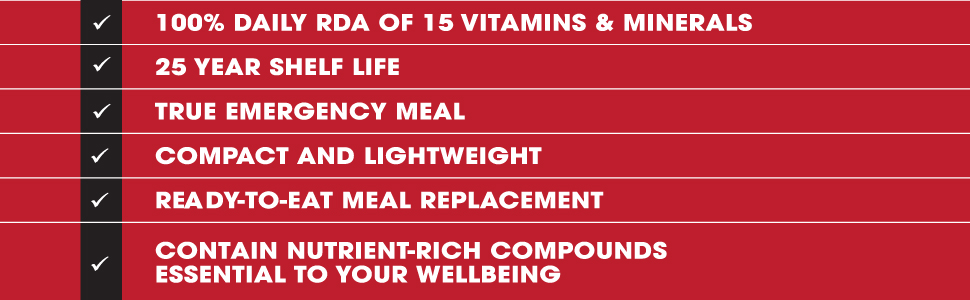
***Statements regarding dietary supplements have not been evaluated by the FDA and are not intended to diagnose, treat, cure, or prevent any disease or health condition.***
 |
 |
 |
 |
 |
|
|---|---|---|---|---|---|
| 720 Tabs Emergency Food Survival Gluten Free and Non-GMO 25 Years Shelf Life | Food Supply 96 Tabs Emergency Food Replacement Disaster Preparedness | Ultimate Preparedness Emergency Food Supply 25 year shelf life | Emergency Food Ration Survival MREs Food Replacement | Emergency Food Survival Food Meal Replacement MREs Gluten Free and Non-GMO | |
| Day Serving | 60 days | 8 days | 120 days | 15 days | 2 days |
| Shelf-Life | 25 years | 25 years | 25 years | 25 years | 25 years |
| Non-GMO | ✓ | ✓ | ✓ | ✓ | ✓ |
| Gluten Free | ✓ | ✓ | ✓ | ✓ | ✓ |
| Tabs Amount | 720 | 96 | 1440 | 180 | 24 |