

Pregnancy and Postpartum Emergency Preparedness Guide
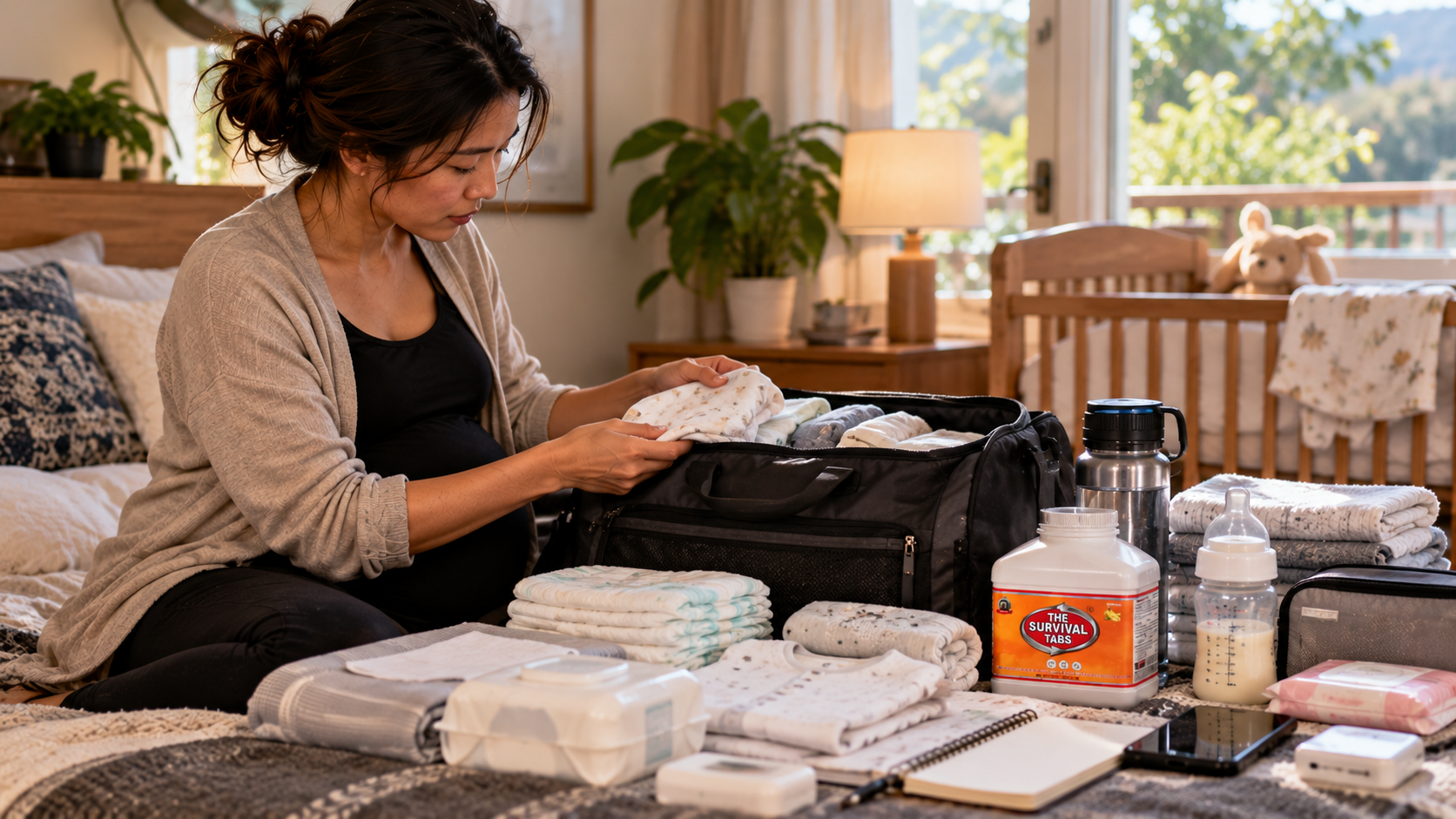
Quick answer: Build the emergency plan around the individual care plan: healthcare contacts, medications, prenatal or postpartum records, transportation, safe food and water, infant feeding supplies, and a trusted support network.
Coordinate with healthcare professionals
Ask the prenatal or postpartum care team what records, medications, warning signs, transport arrangements, and backup facilities belong in the plan. This article does not replace individualized medical advice or emergency care.
Protect continuity information
Keep identification, insurance, medication lists, allergies, expected delivery information, relevant records, provider contacts, and an out-of-area contact accessible on paper and securely offline.
Plan transport and destinations
Identify more than one route and care facility. Include mobility limits, childcare, language access, companion policies, and transport if normal services are disrupted. Follow evacuation orders early when extra travel time may be needed.
Build practical supplies
Include safe water, suitable food, prescribed medication, hygiene products, comfortable clothing, phone power, and household-specific items. For postpartum and newborn needs, include feeding supplies used by the family, diapers, cleaning materials, and weather-appropriate clothing. Follow current infant-feeding and safe-water guidance; never dilute formula.
Know when to seek urgent help
Use emergency services for urgent symptoms or medical emergencies. Do not delay care because of travel, shelter, or supply concerns. After displacement, reconnect with qualified care and update the plan.
Quick checklist
- Follow current official alerts and local instructions.
- Include medications, accessibility, children, older adults, pets, and transport needs.
- Keep essential contacts and records available offline.
- Review supplies and plans after every major change or event.
Frequently asked questions
Should Survival Tabs replace prenatal or postpartum nutrition?
No. Any emergency food is only one possible household supply and does not replace medical nutrition advice, safe water, prescribed supplements, or a varied diet.
What if the planned hospital is unavailable?
Use the backup instructions developed with the care team and follow local emergency and healthcare-system directions.
Official sources
- Ready.gov — Make a Plan: https://www.ready.gov/plan
- CDC Emergency Preparedness and Response: https://emergency.cdc.gov/
This guide provides general preparedness education. Current local instructions, product labels, and qualified professional guidance take priority.