

Outdoor Preparedness Guide
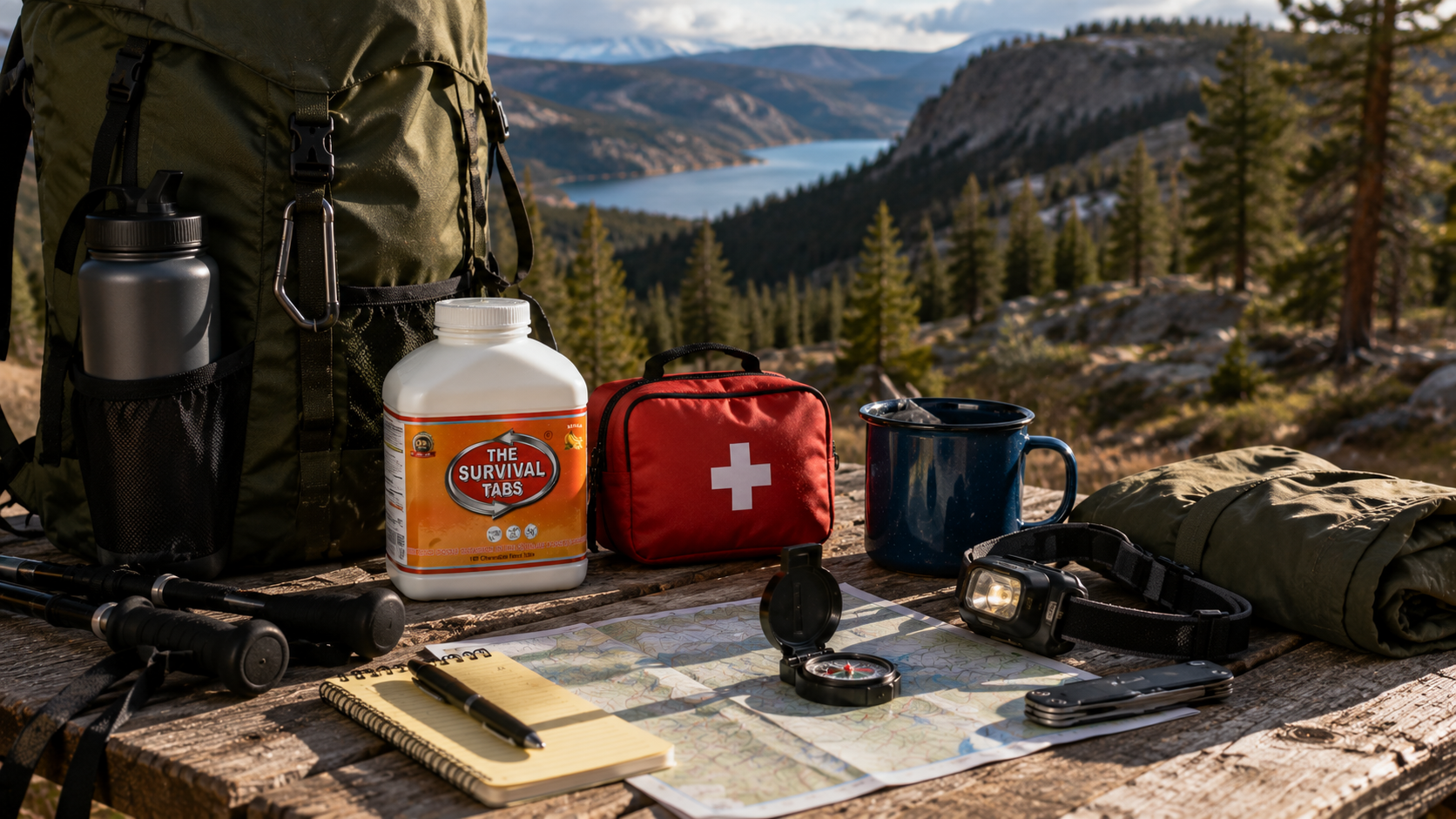
Plan Safer Day Hikes, Camping Trips, and Remote Outdoor Travel
Outdoor preparedness is the practical work done before and during a trip to reduce preventable problems. It is not about carrying every gadget or attempting risky survival techniques. A useful plan matches the route, weather, terrain, group, season, and distance from help.
This guide covers low-risk preparation for hiking, camping, backpacking, cross-country travel, and similar outdoor activities. It deliberately excludes hunting, trapping, weapons, hazardous extraction methods, and location-specific gear rankings.
1. Plan the Trip Before Packing Gear
Start with the trip itself. Decide where you are going, how long you expect to be out, the difficulty and elevation, who is coming, and what conditions could force a change. Check official land-manager rules, closures, permits, fire restrictions, water advisories, and current weather.
Leave a trip plan with a reliable person who is not traveling with you. Include:
- Names and contact information for everyone in the group
- Vehicle description, license plate, parking location, and route to the trailhead
- Planned route, destination, campsites, and reasonable alternatives
- Departure time and the time you expect to return or check in
- The time the contact should alert authorities if you have not returned
- Medical, mobility, communication, or pet considerations that responders may need
Do not change the route casually. If a safe change is necessary and communication is available, update the person holding your plan.
2. Know Your Limits and Build a Turnaround Rule
Choose a route suitable for the least experienced member of the group. Distance alone does not measure difficulty; heat, cold, altitude, steep terrain, poor footing, darkness, water crossings, and pack weight can turn a short outing into a serious problem.
Set a turnaround time before leaving. Turn back when that time arrives even if the destination is close. Also turn back for worsening weather, route uncertainty, unsafe water, equipment failure, illness, injury, smoke, flooding, fatigue, or a group member who no longer feels able to continue safely.
Reaching the summit, viewpoint, campsite, or mileage target is optional. Returning safely is the goal.
3. Use a Practical Outdoor Essentials System
The exact kit changes with conditions, but every traveler should be able to navigate, communicate, stay warm or shaded, manage minor injuries, obtain safe water, and remain visible if delayed.
Navigation
- Current map appropriate to the route
- Compass and the skill to use it
- Offline map downloaded before departure
- GPS device or phone as a supplement, not the only plan
- Route notes, trailhead location, and emergency exit points
Light and communication
- Headlamp or flashlight for each responsible traveler
- Spare compatible batteries or a charged power bank
- Mobile phone protected from weather and impact
- Whistle and a signaling method
- Satellite communicator or personal locator beacon when remoteness and risk justify it
Weather protection and insulation
- Layers appropriate for the forecast and the plausible worst conditions
- Rain shell and wind protection
- Sun hat, sunglasses, and sunscreen
- Warm hat, gloves, and extra dry socks when relevant
- Emergency blanket or compact shelter
First aid, repair, and fire safety
- First-aid kit matched to the group and activity
- Personal medicines and a written medical summary when appropriate
- Small repair supplies for critical equipment
- Knife or multi-tool only when lawful, appropriate, and understood
- Fire-starting supplies only where fires are permitted and conditions are safe
Equipment is not a substitute for judgment or practice. Learn how to use navigation, shelter, communication, first-aid, and water-treatment items before the trip.
4. Check Weather and Environmental Hazards
Use an official forecast close to departure and continue monitoring when communication permits. Look beyond the temperature: check thunderstorms, wind, heat, cold, snow or ice, flood potential, wildfire smoke, surf, tides, and visibility.
Lightning
All thunderstorms can be dangerous. If thunder is heard or lightning is seen, stop exposed activity and move toward a substantial building or hard-topped vehicle when possible. Avoid ridges, isolated trees, open water, metal fences, and exposed high ground. A tent does not provide lightning protection.
Heat
Reduce pace, use shade, wear sun protection, and drink water regularly. Plan strenuous activity for cooler parts of the day. Heat illness can progress quickly; confusion, fainting, seizures, or very high body temperature require emergency help and rapid cooling.
Cold and wet conditions
Protect insulation from moisture, change out of wet clothing, add layers early, and keep eating and drinking. Shivering, loss of coordination, slurred speech, confusion, or unusual drowsiness can signal hypothermia. Stop exposure, shelter the person, replace wet layers, warm the core gradually, and seek emergency help.
Wildfire, smoke, floods, and fast water
Follow closures and evacuation instructions. Do not enter closed areas or travel toward smoke to investigate. Never attempt to cross floodwater or fast-moving water when depth, footing, or current is uncertain. Turn around and use an approved alternative.
5. Water: Carry Enough and Treat Uncertain Sources
Water needs vary greatly with heat, exertion, altitude, health, and trip length. Carry a realistic supply and identify dependable refill points before leaving. Do not assume a mapped stream or spring will be flowing or safe.
Natural water can contain microorganisms and contaminants even when it looks clear. Use a treatment method suited to the source and follow its instructions exactly. Many backpacking filters do not remove viruses or chemicals. No portable treatment method makes floodwater, fuel-contaminated water, mine drainage, or water affected by harmful algal blooms automatically safe.
Carry a backup treatment method and enough capacity to move water between sources. If the water plan fails, turn around rather than rationing to the point of dehydration.
6. Food and Emergency Nutrition
Bring familiar, shelf-stable food that matches the duration, exertion, temperature, allergies, and cooking plan. Separate the normal meal plan from a compact reserve for an unexpected delay.
Useful characteristics include:
- Ready to eat or simple to prepare
- Protected from moisture, crushing, heat, and animals
- Divided into portions that can be eaten without contaminating the rest
- Appropriate for dietary and medical needs
- Enough energy for the planned activity plus a reasonable delay
The Survival Tabs may be included as one compact component of an outdoor emergency-food plan. Follow the product label. They do not replace adequate water, normal meals for sustained exertion, medical care, or a balanced diet.
Where cooking is planned, confirm that stoves and fuel are allowed. Never use a fuel-burning stove, grill, or charcoal device inside a tent, vehicle, or other enclosed space because of fire and carbon-monoxide risk.
7. Clothing, Footwear, and Shelter
Wear footwear already tested with the socks and load you will use. Dress in adjustable layers rather than relying on one heavy garment. Cotton can remain wet and cool the body; choose materials and spare layers appropriate to the actual climate and activity.
For an overnight trip, the sleep and shelter system must match expected temperature, wind, precipitation, ground conditions, and insects. Test setup before departure. Keep critical insulation dry in a waterproof liner.
For a day trip, carry enough protection to survive an unplanned delay without assuming rescue will be immediate.
8. Navigation and Staying Found
Confirm direction at every major junction rather than waiting until uncertain. Compare terrain, distance, elevation, landmarks, and travel time with the map. If the route stops matching expectations, pause before moving farther.
If lost:
- Stop. Continuing without a reason can increase the search area.
- Stay calm, treat injuries, and protect the group from weather.
- Use map, compass, GPS, and visible terrain to determine the last known location.
- Call or message emergency services when there is immediate danger or when self-recovery is not reasonably safe.
- Use a whistle, light, bright material, or approved emergency signal.
- If the location is safe and rescuers are expected, staying in place is often easier for searchers than continued wandering.
Do not depend on a single phone app. Cold, heat, impact, water, weak signal, and battery use can disable electronics.
9. First Aid and Medical Planning
At least one person should have current first-aid knowledge appropriate to the activity and distance from care. Before leaving, discuss allergies, medicines, diabetes, asthma, heart conditions, seizure history, mobility needs, and other information that could change emergency decisions.
Treat small problems early: hot spots before blisters form, wet clothing before chilling begins, and mild dehydration before judgment declines. For serious bleeding, breathing difficulty, chest pain, severe allergic reaction, altered mental status, major trauma, suspected heat stroke, or hypothermia, activate emergency services as soon as possible.
Carry only medications intended for the person using them and follow professional instructions. Do not give prescription medicine to another traveler.
10. Wildlife, Insects, and Food Storage
Learn local land-manager guidance for wildlife and required food storage. Use approved bear-resistant containers, lockers, or hangs where required. Keep food, scented items, trash, and cooking areas managed so animals are not rewarded for approaching people.
Do not feed, touch, corner, or closely approach wildlife. Give animals an escape route and control pets according to local rules.
For ticks and biting insects, use an appropriate repellent, wear suitable clothing, stay near the center of maintained trails where practical, and check people, pets, clothing, and gear after exposure. Follow current public-health instructions for removing attached ticks and seek medical advice for concerning symptoms.
11. Group, Child, Accessibility, and Pet Needs
Build the plan around the people actually traveling. Children need close supervision, identification, warmth, hydration, and age-appropriate responsibilities. Older adults and people with disabilities may need mobility-device support, extra time, communication aids, medication storage, or a shorter route.
Pets need water, food, leash or harness, waste supplies, identification, current veterinary information, and protection from heat, cold, sharp terrain, wildlife, and unsafe water. Not every trail, shelter, transport option, or emergency facility accepts animals.
12. Campsite and Leave-No-Trace Safety
Use established sites when available and camp away from unstable trees, cliffs, flash-flood channels, high-water marks, avalanche paths, exposed ridges, and other obvious hazards. Observe local rules for distance from water and trails.
Keep the site orderly so critical equipment can be found in darkness. Secure food and trash. Extinguish permitted fires completely and follow all fire bans. Pack out waste and avoid damaging vegetation, cultural resources, or wildlife habitat.
13. Emergency Communication and Rescue Decisions
Call for help early when delay will make the situation worse. Give responders:
- Your name, callback number, and group size
- Location, coordinates, trail name, landmarks, and last known point
- Nature of the injury or hazard
- Weather, shelter, supplies, and communication status
- Vehicle and trip-plan information
After contacting help, follow instructions and conserve battery. Keep the group together unless separation is necessary for immediate safety. Do not send an unprepared person alone to seek help.
14. Pre-Trip and Return Checklists
Before leaving
- Route, permits, restrictions, closures, and hazards checked
- Official forecast and daylight window checked
- Trip plan left with a reliable contact
- Turnaround time and emergency check-in time agreed
- Water plan, food, clothing, shelter, navigation, light, first aid, and communication checked
- Group health, accessibility, child, and pet needs covered
- Critical equipment tested and batteries charged
After returning
- Tell the trip-plan contact you are safe
- Check people and pets for ticks, bites, blisters, and injuries
- Dry, clean, recharge, and repair equipment
- Replace used first-aid, water-treatment, and emergency-food supplies
- Record route changes, failed gear, and lessons for the next trip
Quick Decision Rule
Pause when the plan and reality no longer match. Reassess the group, time, weather, route, water, equipment, and distance from help. Choose the option with the safest margin—not the option that protects the original schedule or destination.
Sources and Further Guidance
National Park Service — Ten Essentials
National Weather Service — Weather Safety
CDC Yellow Book — Adventure Travel
Editorial note: This guide provides general outdoor preparedness education. Follow land-manager rules, local emergency instructions, product labels, and advice from qualified medical professionals. Conditions and regulations vary by location and season.