Navigating FEMA Claims and Earthquake Preparedness: A Comprehensive Guide
When disaster strikes, knowing how to access help and prepare for the aftermath is crucial. Here's what you need to know about FEMA claims, earthquake preparedness, and post-disaster safety.
Filing a FEMA Claim: What to Expect
1. Register with FEMA:
- Online at DisasterAssistance.gov
- By phone: 800-621-3362
- Via the FEMA mobile app
2. Provide essential information:
- Social Security number
- Address of the damaged property
- Description of damage
- Insurance information
- Contact information
3. Expect a home inspection within days of registration
4. Receive a decision letter detailing your eligibility
#FEMAClaims #DisasterAssistance
FEMA Benefits and Support
- Temporary housing assistance
- Home repair grants
- Low-interest disaster loans
- Crisis counseling
- Disaster unemployment assistance
- Legal services
Remember, FEMA assistance is not a substitute for insurance but can help with basic needs to jumpstart recovery.
#FEMABenefits #DisasterRecovery
Essential Disaster Kit Items
1. Water (1 gallon per person per day for 3 days)
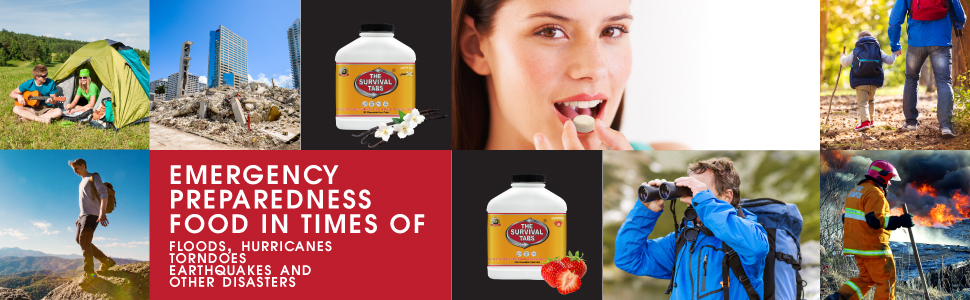
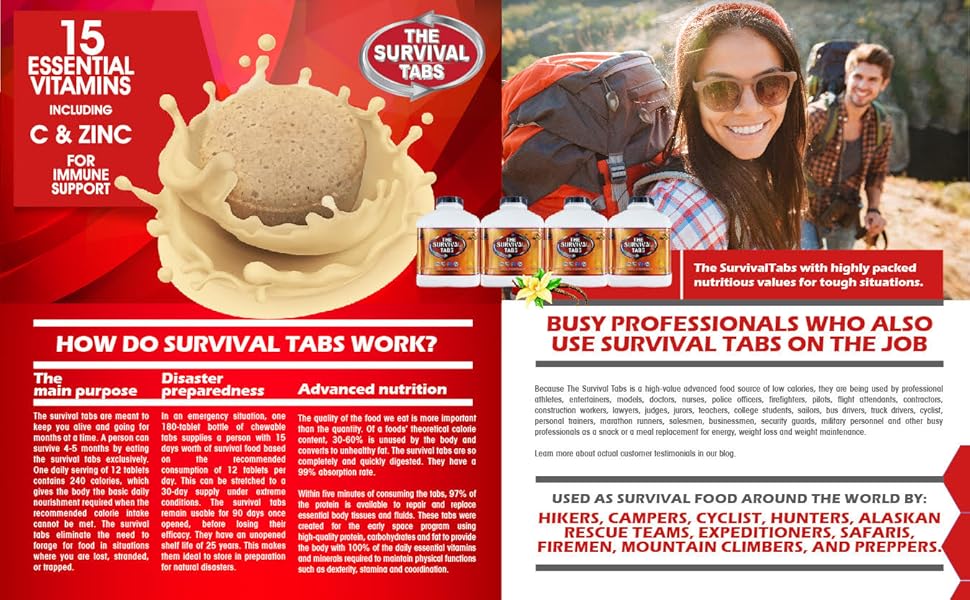
2. Non-perishable food (3-day supply)
3. Battery-powered radio
4. Flashlight and extra batteries
5. First aid kit
6. Whistle to signal for help
7. Dust masks, plastic sheeting, and duct tape
8. Moist towelettes and garbage bags
9. Wrench or pliers to turn off utilities
10. Manual can opener
11. Cell phone with chargers and backup battery
#DisasterKit #EmergencyPreparedness
Securing Your Home for Earthquakes
1. Anchor heavy furniture to walls
2. Install latches on cabinets
3. Secure water heaters and appliances
4. Use flexible connections for gas appliances
5. Reinforce chimneys and foundations
6. Apply safety film to windows
#EarthquakeProofing #HomeSafety
Immediate Actions After an Earthquake
1. Drop, Cover, and Hold On until shaking stops
2. Check for injuries and provide first aid
3. Evacuate if necessary (use stairs, not elevators)
4. Check for gas leaks and shut off utilities if damaged
5. Be prepared for aftershocks
6. Stay informed via emergency broadcasts
#EarthquakeSafety #EmergencyResponse
Staying Informed During and After an Earthquake
1. Use battery-powered or hand-crank radio
2. Follow local emergency services on social media
3. Sign up for local emergency alerts
4. Check official government websites for updates
5. Use text messages to communicate with family (calls may overload networks)
#EmergencyInfo #DisasterUpdates
Signs a Building is Unsafe After an Earthquake
1. Visible cracks in walls, floors, or foundations
2. Tilting or leaning of the structure
3. Sounds of creaking or groaning
4. Fallen power lines near the building
5. Strong smell of gas
6. Broken water or sewage pipes
#BuildingSafety #PostEarthquakeInspection
Remember, preparation is key to surviving and recovering from a major earthquake. Stay informed, stay prepared, and stay safe!
#EarthquakeReadiness #DisasterPreparedness #StaySafe
 |
 |
 |
 |
 |
|
|---|---|---|---|---|---|
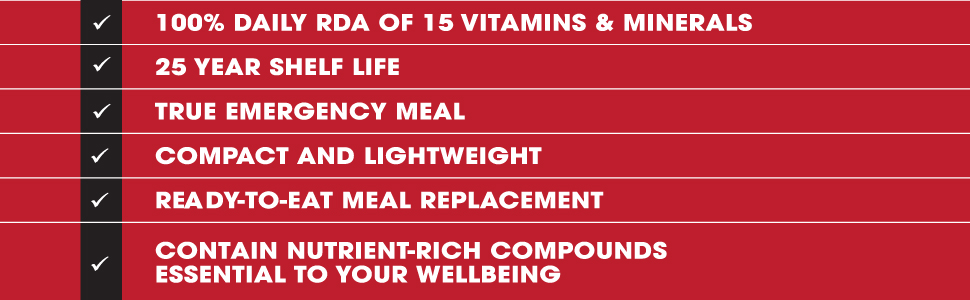
| 720 Tabs Emergency Food Survival Gluten Free and Non-GMO 25 Years Shelf Life | Food Supply 96 Tabs Emergency Food Replacement Disaster Preparedness | Ultimate Preparedness Emergency Food Supply 25 year shelf life | Emergency Food Ration Survival MREs Food Replacement | Emergency Food Survival Food Meal Replacement MREs Gluten Free and Non-GMO | |
|
|
|||||
| Customer Reviews |
738
|
3,088
|
50
|
—
|
281
|
| Price | $158.95 | $32.99 | $299.95 | — | $8.99 |
| Day Serving | 60 days | 8 days | 120 days | 15 days | 2 days |
| Shelf-Life | 25 years | 25 years | 25 years | 25 years | 25 years |
| Non-GMO | ✓ | ✓ | ✓ | ✓ | ✓ |
| Gluten Free | ✓ | ✓ | ✓ | ✓ | ✓ |
| Tabs Amount | 720 | 96 | 1440 | 180 | 24 |