Navigating and Planning Your Stalk: Advanced Techniques for Hunters

Best Landmarks for Navigation During a Stalk
1. Ridgelines: Offer quiet walking and good visibility on both sides[1].
2. Game trails: Provide natural paths, but be prepared for sudden encounters[1].
3. Edge habitats: Areas where different terrain types meet, often attracting animals[1].
4. ATV trails and access roads: Offer quiet walking conditions and good visibility[1].
5. Distinctive natural features: Choose at least five distinguishable landmarks visible from different points during your approach[1].

Using Mapping Software to Plan a Stalk
1. Utilize apps like BaseMap or onX Hunt to view terrain in 3D before your hunt[2][6].
2. Mark key locations such as potential shooting positions and animal sightings[6].
3. Use topographic maps and recent satellite imagery to plan your route[6].
4. Cache maps for offline use in areas without cellular coverage[2].
5. Use custom map tools to create waypoints, lines, and tracks for every detail of your hunt[6].
Best Times for Stalking
1. Early morning and late evening when animals are most active[4].
2. Overcast days provide better concealment due to reduced shadows[4].
3. Windy conditions can mask your movements and sounds[4].

Using Natural Distractions
1. Take advantage of drifting cloud shadows to mask your movement[4].
2. Use fluctuating winds to conceal small sounds you might make[4].
3. Time your movements with other animal activity in the area[4].
4. People walking on trails can serve as a distraction, allowing you to draw your bow unnoticed[3].
Using Wind Direction to Your Advantage
1. Always approach from downwind to prevent animals from catching your scent[4].
2. Use a wind checker (puffer, feather, or milkweed seeds) to frequently monitor wind direction[4].
3. In mountainous terrain, be prepared for unpredictable wind patterns and adjust your route accordingly[8].
4. Consider thermal patterns: air typically moves downhill in the morning and uphill as the day warms[8].
5. Be aware of sudden thermal changes as the sun rises, which can alter wind direction[8].

Remember, successful stalking requires patience, careful planning, and constant awareness of your surroundings. Always prioritize safety and adhere to local hunting regulations.
Citations:
[3] https://www.urbandeercomplex.com/suburban-hunting-tactics/the-advantage-of-hunting-walking-trails/
 |
 |
 |
 |
 |
|
|---|---|---|---|---|---|
| 720 Tabs Emergency Food Survival Gluten Free and Non-GMO 25 Years Shelf Life | Food Supply 96 Tabs Emergency Food Replacement Disaster Preparedness | Ultimate Preparedness Emergency Food Supply 25 year shelf life | Emergency Food Ration Survival MREs Food Replacement | Emergency Food Survival Food Meal Replacement MREs Gluten Free and Non-GMO | |
| Day Serving | 60 days | 8 days | 120 days | 15 days | 2 days |
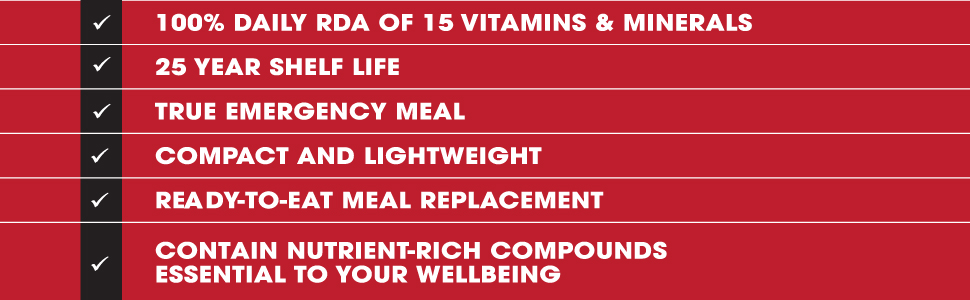
| Shelf-Life | 25 years | 25 years | 25 years | 25 years | 25 years |
| Non-GMO | ✓ | ✓ | ✓ | ✓ | ✓ |
| Gluten Free | ✓ | ✓ | ✓ | ✓ | ✓ |
| Tabs Amount | 720 | 96 | 1440 | 180 | 24 |