Mastering the Art of Bushcraft: A Guide to Wilderness Survival
Bushcraft is the ultimate test of self-reliance and outdoor skills. Whether you're an avid adventurer or simply looking to connect with nature, learning bushcraft techniques can be both rewarding and potentially life-saving. This comprehensive guide will walk you through the essentials of bushcraft living, from preparation to survival skills.

Preparing for Your Bushcraft Adventure
Before venturing into the wilderness, thorough preparation is crucial.
Gear Essentials
Start by assembling a well-thought-out kit:
- A sturdy, fixed-blade knife
- Fire-starting tools (ferrocerium rod, matches, lighter)
- Water purification system
- First-aid kit
- Cordage (paracord or natural fibers)
- Tarp or shelter material
- Cooking pot
- Compass and map
Remember, the goal of bushcraft is to rely more on skills than gear, so choose multipurpose items whenever possible[1].
Skills to Master
Before heading out, practice these fundamental skills:
- Fire-starting techniques
- Knot tying
- Basic first aid
- Plant and wildlife identification
- Navigation without GPS
Shelter: Your Home in the Wild
Creating a shelter is your first priority in a survival situation.
Natural Shelters
Look for natural formations that can provide immediate protection:
- Rock overhangs
- Dense evergreen trees
- Fallen logs

Constructed Shelters
Learn to build:
- Lean-to shelters
- Debris huts
- Snow caves (in winter conditions)
When constructing shelters, always consider drainage, wind direction, and proximity to water sources[3].
Fire: The Heart of Bushcraft
Fire provides warmth, protection, and the means to purify water and cook food.
- Fire-Starting Methods
Master multiple techniques:
- Ferro rod and striker
- Bow drill
- Hand drill
- Flint and steel
Practice these methods in various weather conditions to ensure you can create fire when it matters most[2].
Water: Staying Hydrated in the Wilderness
Finding and purifying water is critical for survival.
Learn to identify potential water sources:
- Rivers and streams
- Lakes and ponds
- Rainwater collection
- Plant transpiration
Purification Methods
Always purify water before drinking:
- Boiling
- Chemical treatments
- Filtration systems
- Solar disinfection (SODIS)

Food: Foraging and Hunting
Sustaining yourself in the wild requires knowledge of edible plants and hunting techniques.
Foraging
Learn to identify common edible plants in your area, such as:
- Dandelions
- Cattails
- Berries
- Nuts
Always be 100% certain of a plant's identity before consuming it[4].
- Hunting and Trapping
Develop skills in:
- Snare setting
- Fishing techniques
- Small game hunting
Remember to follow local laws and regulations regarding hunting and fishing.
Navigation: Finding Your Way
Knowing how to navigate without modern technology is a crucial bushcraft skill.
Map and Compass
Master the basics:
- Reading topographic maps
- Using a compass
- Triangulation
Natural Navigation
Learn to use natural indicators:
- Sun position
- Star patterns
- Plant growth patterns
- Wind direction
Tools and Crafts
Bushcraft often involves creating tools and useful items from natural materials.
Knife Skills
Your knife is your most important tool. Practice:
- Proper knife handling and safety
- Batoning for splitting wood
- Carving and whittling
Cordage
Learn to make rope from natural fibers:
- Tree bark (cedar, basswood)
- Plant fibers (nettle, dogbane)
Containers
Create vessels for carrying water or food:
- Birch bark containers
- Woven baskets
First Aid and Emergency Preparedness
Knowing how to handle medical emergencies in the wilderness is crucial.
Basic First Aid
Be prepared to treat:
- Cuts and wounds
- Sprains and fractures
- Burns
- Hypothermia and heat exhaustion

Natural Remedies
Learn about plants with medicinal properties, but use caution and consult experts before relying on them[5].
As bushcraft enthusiasts, it's our responsibility to protect the environment we enjoy.
- Minimize campfire impacts
- Dispose of waste properly
- Leave what you find
- Respect wildlife
Bushcraft is a lifelong journey of learning and skill refinement. Regularly practice your skills, even in your backyard or local park. Join bushcraft communities, attend workshops, and share knowledge with fellow enthusiasts.
Mastering bushcraft is about developing a deep connection with nature and honing skills that have sustained humans for millennia. By learning these techniques, you not only prepare yourself for potential survival situations but also gain a profound appreciation for the natural world.
Remember, bushcraft is as much about the journey as it is about the destination. Embrace the learning process, respect the environment, and always prioritize safety in your adventures.
#Bushcraft #Survival #Outdoor #Nature #Camping #Wilderness #Hiking #Adventure #Outdoors #WildCamping #SurvivalSkills #Backpacking #BushcraftGear #OutdoorLife #Explore #WoodsCraft #Trekking #Prepper #Wildcamping #ForestLife
***Statements regarding dietary supplements have not been evaluated by the FDA and are not intended to diagnose, treat, cure, or prevent any disease or health condition.***
 |
 |
 |
 |
 |
|
|---|---|---|---|---|---|
| 720 Tabs Emergency Food Survival Gluten Free and Non-GMO 25 Years Shelf Life | Food Supply 96 Tabs Emergency Food Replacement Disaster Preparedness | Ultimate Preparedness Emergency Food Supply 25 year shelf life | Emergency Food Ration Survival MREs Food Replacement | Emergency Food Survival Food Meal Replacement MREs Gluten Free and Non-GMO | |
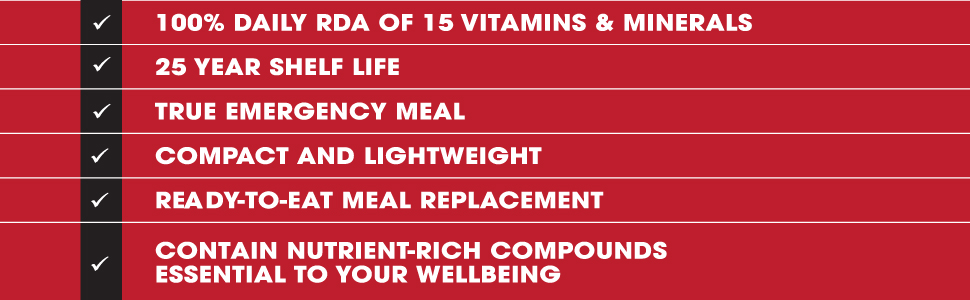
| Day Serving | 60 days | 8 days | 120 days | 15 days | 2 days |
| Shelf-Life | 25 years | 25 years | 25 years | 25 years | 25 years |
| Non-GMO | ✓ | ✓ | ✓ | ✓ | ✓ |
| Gluten Free | ✓ | ✓ | ✓ | ✓ | ✓ |
| Tabs Amount | 720 | 96 | 1440 | 180 | 24 |