Mastering Fire: A Survival Essential When Lost in the Forest
When you find yourself lost in the wilderness, one of the most critical skills you can possess is the ability to start a fire. Not only does it provide warmth and light, but it can also be used for cooking food, purifying water, and signaling for help. Here’s a comprehensive guide on how to make fire in an emergency situation. #SurvivalSkills #WildernessLiving
Essential Fire Starting Methods
1. Gather Your Materials
Before attempting to start a fire, collect the following materials:
- Tinder: This is the most crucial component for starting your fire. Look for dry grass, pine needles, bark, or small twigs. You can also use cotton balls, dryer lint, or any other lightweight, easily ignitable material.
- Kindling: Small sticks or branches that will catch fire easily once your tinder is lit.
- Fuel Wood: Larger logs or branches that will sustain your fire.
2. Choose Your Fire Starting Method
There are several effective methods for starting a fire in an emergency:
- Matches: Always carry waterproof matches in your survival kit. They are easy to use and reliable.
- Lighter: A butane lighter is compact and quick to ignite a fire. However, ensure it’s kept dry.
- Ferro Rod: This tool creates sparks when scraped with metal. It works well even in wet conditions.
- Flint and Steel: Striking steel against flint produces sparks that can ignite tinder.
- Magnifying Glass: On sunny days, you can focus sunlight onto your tinder using a magnifying glass or Fresnel lens.
3. Build Your Fire Lay
Construct your fire lay using one of these popular methods:
- Teepee Style: Arrange kindling in a teepee shape over your tinder. This allows air to circulate and helps the flames grow.
- Log Cabin Style: Build a square frame with larger logs around your teepee of kindling.
- Lean-To Style: Lean kindling against a larger log or rock with tinder underneath.
Steps to Start Your Fire
1. Prepare Your Site: Clear a space on bare ground away from flammable materials. If you're on snow, clear away the top layer to expose dry ground.
2. Place Your Tinder: Position your tinder in the center of your fire lay.
3. Ignite the Tinder:
- If using matches or a lighter, carefully light the tinder.
- If using a ferro rod, scrape it against steel to create sparks that land on the tinder.
4. Add Kindling: Once the tinder catches fire, gradually add kindling to keep the flames growing.
5. Add Fuel Wood: Once you have a strong flame, add larger logs to sustain your fire.
Safety Tips for Fire Use
- Keep Water Nearby: Always have water or dirt ready to extinguish your fire when you're finished.
- Never Leave It Unattended: Fires can quickly get out of control; stay vigilant.
- Extinguish Completely: Ensure your fire is completely out before leaving the area.
Conclusion
Knowing how to start a fire can be a lifesaving skill when lost in the forest. With practice and preparation, you can master this essential survival technique. Always carry multiple methods for starting fires and practice them before you need them in an emergency situation.
Stay safe and warm out there! #FireStarting #WildernessSurvival #EmergencyPreparedness


***Statements regarding dietary supplements have not been evaluated by the FDA and are not intended to diagnose, treat, cure, or prevent any disease or health condition.***
 |
 |
 |
 |
 |
|
|---|---|---|---|---|---|
| 720 Tabs Emergency Food Survival Gluten Free and Non-GMO 25 Years Shelf Life | Food Supply 96 Tabs Emergency Food Replacement Disaster Preparedness | Ultimate Preparedness Emergency Food Supply 25 year shelf life | Emergency Food Ration Survival MREs Food Replacement | Emergency Food Survival Food Meal Replacement MREs Gluten Free and Non-GMO | |
| Day Serving | 60 days | 8 days | 120 days | 15 days | 2 days |
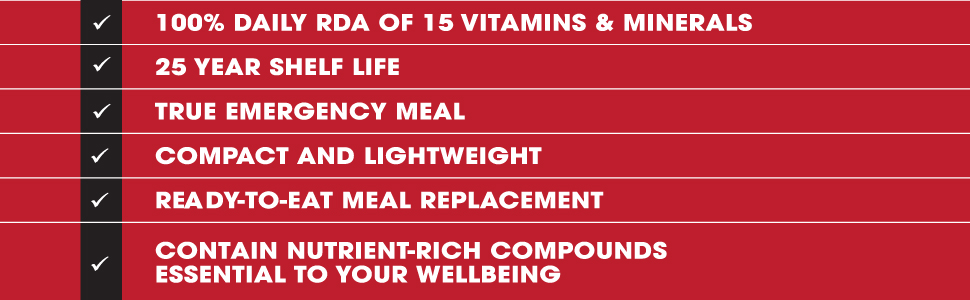
| Shelf-Life | 25 years | 25 years | 25 years | 25 years | 25 years |
| Non-GMO | ✓ | ✓ | ✓ | ✓ | ✓ |
| Gluten Free | ✓ | ✓ | ✓ | ✓ | ✓ |
| Tabs Amount | 720 | 96 | 1440 | 180 | 24 |