Mastering Campfire Techniques: From Teepee to Bean Hole
Campfires are essential for outdoor enthusiasts, providing warmth, light, and a place to cook. Let's explore different campfire types and their unique benefits.
Teepee Fire vs. Log Cabin Fire
Benefits of a teepee fire:
1. Quick to start and easy to build
2. Produces intense heat quickly
3. Ideal for cooking and boiling water
4. Requires less wood initially
Log cabin fires burn longer but take more time to set up. Teepee fires are perfect for quick meals or when you need heat fast.
#TeepeeFire #CampfireTechniques
Building a Reflector Fire with Natural Materials
A reflector fire maximizes heat output:
1. Find a large log or rock face as your reflector
2. Build your fire in front of this natural reflector
3. Arrange seating opposite the reflective surface
4. The heat will bounce off the reflector, warming your camp area
This setup is great for directing heat towards your sleeping area or cooking space.
#ReflectorFire #NaturalMaterials
Advantages of Trench Fireplace in Windy Conditions
Trench fires offer several benefits in windy weather:
1. Wind protection: Below-ground design shields flames
2. Focused heat: Concentrates warmth in a smaller area
3. Safer: Reduces risk of sparks spreading
4. Easier cooking: Provides stable support for pots and pans
Ideal for exposed campsites or beach camping.
#TrenchFireplace #WindyConditions
Maintaining a Star Fire Throughout the Night
To keep a star fire burning:
1. Start with a small teepee fire in the center
2. Arrange 4-5 logs radiating outward like star points
3. Gradually push logs inward as they burn
4. Add new logs to the outer edges as needed
5. Rotate logs to ensure even burning
This method is fuel-efficient and easy to maintain for long periods.
#StarFire #OvernightCampfire
Best Practices for Building a Bean Hole Fire
The bean hole fire is perfect for slow-cooking:
1. Dig a hole about 2-3 feet deep and wide
2. Line the bottom with rocks for heat retention
3. Build a large fire in the hole and let it burn down to coals
4. Place your covered pot of food on the coals
5. Cover with dirt and let cook for several hours
This method is great for stews, beans, and other slow-cooked meals.
#BeanHoleFire #SlowCooking
Remember, always prioritize safety and follow Leave No Trace principles when building campfires. Practice these techniques in a controlled environment before relying on them in the wilderness.
By mastering these diverse campfire techniques, you'll be well-equipped to handle various outdoor scenarios, from cooking a hearty meal to staying warm on a chilly night under the stars.
#CampfireSkills #OutdoorSurvival #WildernessCamping
 |
 |
 |
 |
 |
|
|---|---|---|---|---|---|
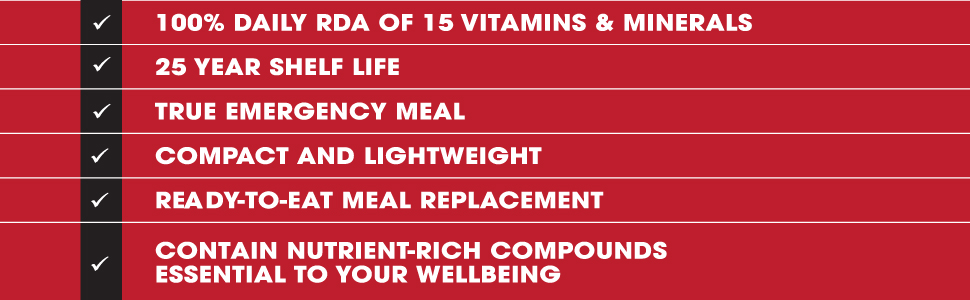
| 720 Tabs Emergency Food Survival Gluten Free and Non-GMO 25 Years Shelf Life | Food Supply 96 Tabs Emergency Food Replacement Disaster Preparedness | Ultimate Preparedness Emergency Food Supply 25 year shelf life | Emergency Food Ration Survival MREs Food Replacement | Emergency Food Survival Food Meal Replacement MREs Gluten Free and Non-GMO | |
| Day Serving | 60 days | 8 days | 120 days | 15 days | 2 days |
| Shelf-Life | 25 years | 25 years | 25 years | 25 years | 25 years |
| Non-GMO | ✓ | ✓ | ✓ | ✓ | ✓ |
| Gluten Free | ✓ | ✓ | ✓ | ✓ | ✓ |
| Tabs Amount | 720 | 96 | 1440 | 180 | 24 |