

Long-Term Emergency Kit Guide
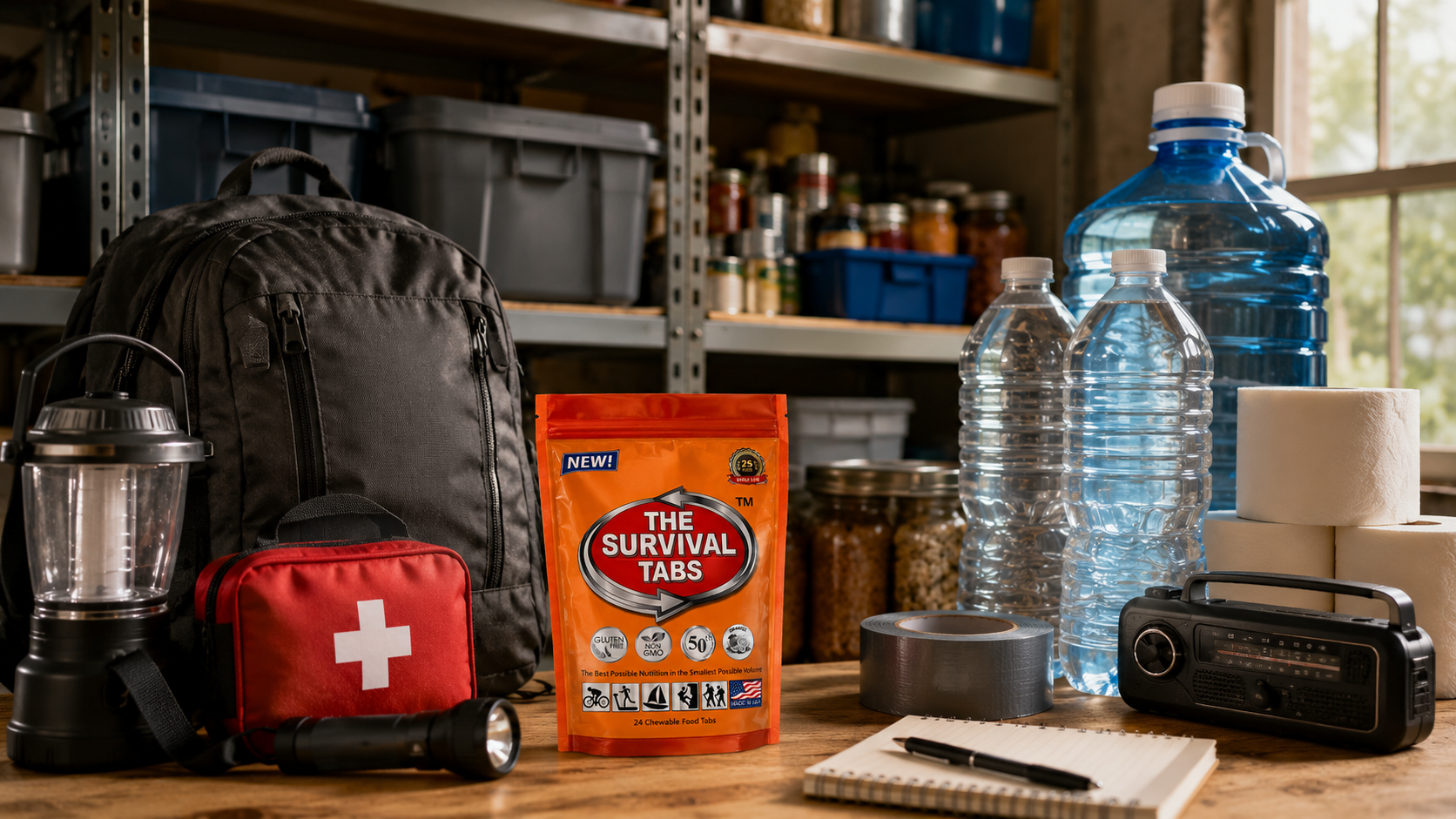
A long-term emergency kit is a household supply system designed to support daily needs when utilities, stores, transportation, or normal services are disrupted for more than a few days. It is larger and more adaptable than a 72-hour kit, but it should still be practical, organized, and based on the people who will actually use it.
The goal is not to collect the most gear. The goal is to maintain reliable layers of water, food, health supplies, sanitation, power, communication, warmth, and household tools. A useful kit is easy to find, safe to store, familiar to the household, and reviewed on a schedule.
Key Takeaways
- Start with household needs and local risks, then build supplies in priority order.
- Keep a portable 72-hour kit separate from the larger home-based supply.
- Store water, food, medications, sanitation, lighting, and communication tools before optional gear.
- Use products your household already understands and can safely maintain.
- Divide supplies across safe locations so one leak, fire, pest problem, or blocked room does not eliminate everything.
- Review dates, batteries, prescriptions, documents, clothing, and household needs at least twice a year.
1. Decide What “Long-Term” Means for Your Household
Long-term preparedness does not have one universal duration. A household in a remote rural area may plan for several weeks because resupply can take time. A household in a city apartment may have limited storage and focus on two weeks of essential supplies plus a strong evacuation plan. Start with a realistic target, then expand gradually.
Before buying anything, write down:
- The number of adults, children, older adults, and visitors you may need to support.
- Pets or service animals and their food, water, medication, and transport needs.
- Medical conditions, allergies, mobility needs, refrigerated medicines, or powered medical equipment.
- The disruptions most relevant to your location, such as storms, flooding, wildfire smoke, extreme heat or cold, earthquakes, or extended outages.
- Whether staying home is usually safer, and what would require evacuation.
- The space, budget, climate, and security conditions available for storage.
Build first for the most likely disruption, not the most dramatic scenario. A kit that handles an extended outage, temporary isolation, and delayed resupply will also improve everyday household resilience.
2. Separate Portable Kits from Home Supplies
A long-term home supply should not replace a portable emergency kit. The two serve different purposes.
Portable kit
A portable kit supports evacuation or a short disruption. It should be light enough to carry and contain essential water, food, medications, lighting, communication tools, clothing, documents, and personal items.
Home supply
The home supply supports sheltering in place. It can include heavier water containers, a deeper food reserve, sanitation supplies, bedding, tools, backup power, cooking equipment, and household consumables.
Keep the portable kit ready even after the home supply grows. During an evacuation, there may be no time to repack supplies stored throughout the house.
3. Water: Store It, Protect It, and Plan for More
Water is the first priority because it is needed for drinking, food preparation, hygiene, cleaning, pets, and some medical needs. Store an immediate supply in food-grade containers and keep it away from fuels, pesticides, cleaning chemicals, direct sunlight, and temperature extremes.
A long-term water plan should have three layers:
- Stored drinking water for immediate use.
- Additional containers for collecting or transporting water.
- A backup treatment method that the household understands and can use according to its instructions.
Do not assume that clear water is safe. Floods, damaged pipes, and service interruptions can introduce contamination. Follow local public-health instructions and the directions supplied with any filter, disinfectant, or treatment product. People with health conditions, infants, and pets may need additional guidance.
Label containers with the fill date and inspect them for leaks, cloudiness, odor, damage, or compromised seals. Rotate water according to the container and supplier guidance.
4. Build a Food Reserve Around Real Meals
Emergency food works best when it resembles the way the household normally eats. Include familiar shelf-stable foods, options that require little preparation, and some foods that can be eaten without cooking. Account for allergies, cultural preferences, children, older adults, and medical diets.
A balanced reserve may include:
- Ready-to-eat foods for the first days of a disruption.
- Canned or packaged proteins, vegetables, fruit, soups, and complete meals.
- Dry staples that fit your available water, fuel, and cooking capacity.
- Comfort foods and familiar snacks that can make prolonged disruptions easier.
- A compact backup food option for portable kits, vehicles, or situations where cooking is not possible.
Do not build the plan around foods that require more water, fuel, refrigeration, or preparation than you can reliably provide. Store a manual can opener when canned food is included.
Use a first-in, first-out system: place newer items behind older ones, use the oldest safe products in normal meals, and replace them during routine shopping. Record purchase dates or best-by dates where they are easy to see.
5. Health, Medication, and First Aid
A long-term kit should support ordinary health needs as well as minor injuries. Keep an appropriate first-aid kit, copies of essential health information, spare glasses or contact-lens supplies, hygiene products, and any household-specific items.
Medication planning requires care. Discuss refill timing, storage limits, refrigeration needs, and safe backup options with a pharmacist or healthcare professional. Do not use expired or improperly stored medication simply because it is in an emergency bin.
Consider including:
- Prescription information and a current medication list.
- Basic first-aid supplies that household members know how to use.
- Thermometers, masks, gloves, and cleaning supplies appropriate to household needs.
- Menstrual products, incontinence supplies, diapers, and other personal-care items.
- Backup power planning for necessary medical devices, based on manufacturer and professional guidance.
Training is more valuable than unfamiliar equipment. Basic first-aid and CPR education can help a household use supplies more safely and confidently.
6. Sanitation and Hygiene When Services Stop
Sanitation problems can quickly make a manageable outage unsafe. Plan for hand cleaning, waste containment, toilet interruption, bathing, dish cleaning, laundry, and pest control.
Useful supplies may include:
- Soap, hand sanitizer, disinfecting products, and durable cleaning gloves.
- Toilet paper, heavy-duty trash bags, ties, and lined waste containers.
- A household-specific emergency toilet plan when sewer or water service is unavailable.
- Absorbent materials, paper towels, and cleaning cloths.
- Personal hygiene items, dental supplies, and skin-care basics.
Keep human waste separate from food and water areas. Follow local emergency instructions for disposal. Never improvise indoor burning or chemical mixtures to solve sanitation problems.
7. Lighting, Power, Heating, and Cooling
Choose safe, efficient tools before high-output equipment. Headlamps and battery lanterns reduce the fire and carbon-monoxide risks associated with candles and indoor combustion. Store compatible batteries, charging cables, and clearly labeled power banks.
For longer outages, identify the devices that truly need power. Prioritize medical equipment, communication, essential lighting, and temperature protection before entertainment or high-consumption appliances.
Generators, grills, camp stoves, and fuel-burning heaters can produce deadly carbon monoxide. Operate them only in locations and conditions allowed by their manufacturers and local safety guidance. Never use outdoor cooking equipment inside a home, garage, tent, or other enclosed area.
Plan for heat and cold with layers: weather-appropriate clothing, blankets, shade, ventilation, safe sleeping arrangements, and a destination where vulnerable household members can relocate if indoor temperatures become unsafe.
8. Communication and Information
During a long disruption, information affects every other decision. Maintain more than one way to receive official alerts and contact people.
- A battery or hand-crank radio suited to local broadcasts.
- Charged phones, power banks, cables, and written contact numbers.
- An out-of-area contact who can help coordinate family messages.
- Printed local maps and the locations of shelters, medical care, water distribution, and community resources.
- A simple household check-in and meeting plan.
Text messages may work when voice networks are congested, but no single communication method is guaranteed. Write down key information so the plan does not depend entirely on a phone.
9. Documents, Money, and Household Records
Keep protected copies of identification, insurance information, prescriptions, emergency contacts, property records, pet records, and other documents your household may need. Use a waterproof, portable container for essential paper copies and protect digital copies with appropriate security.
A modest amount of cash in small denominations may be useful when electronic payments are unavailable. Store it securely and do not place every document, key, or payment method in one location.
10. Clothing, Bedding, Tools, and Repair Supplies
Include durable clothing and bedding appropriate to local seasons. Children’s clothing, footwear, and diapers can become outdated quickly, so these items need scheduled review.
Choose multipurpose tools that match your home and skills. A practical set might include work gloves, eye protection, basic hand tools, duct tape, cordage, plastic sheeting, buckets, fire extinguishers, and shutoff tools appropriate to the property.
Do not include specialized construction, electrical, fuel, or structural-repair equipment unless a qualified person can use it safely. Emergency supplies should reduce risk, not encourage repairs beyond the household’s competence.
11. Storage: Make the Kit Easy to Use
Poor storage can ruin food, water, medicine, batteries, documents, and fabric. Use dry, stable, accessible areas protected from pests, chemicals, flooding, and temperature extremes. Avoid attics, vehicles, or outdoor sheds for items that cannot tolerate heat or cold.
Organize supplies by function rather than filling one large container:
- Water and treatment.
- Food and cooking.
- First aid and medication.
- Sanitation and hygiene.
- Lighting, power, and communication.
- Clothing, bedding, and seasonal supplies.
- Documents, maps, and household plans.
Label each bin on more than one side. Put frequently needed items near the front. Keep a printed inventory with the kit and a second copy elsewhere.
12. Create a Maintenance Schedule
A long-term kit is a living system. It changes as people age, prescriptions change, pets join the household, batteries degrade, food rotates, and seasons shift.
Use a recurring review—many households choose spring and fall—to:
- Replace expired, damaged, recalled, leaking, or contaminated items.
- Rotate food and water according to product and container guidance.
- Test radios, lanterns, alarms, power banks, and charging cables.
- Confirm that batteries have not leaked and fuel is stored legally and safely.
- Update medications, medical information, contacts, maps, and documents.
- Replace outgrown clothing and adjust supplies for household members and pets.
- Review evacuation routes, meeting places, and shelter options.
- Practice finding and using key supplies without relying on memory.
Record the review date on the inventory. A visible maintenance record prevents the kit from becoming a forgotten collection of aging supplies.
13. Build the Kit Without Overspending
Preparedness can be built gradually. Start with planning and items already in the home, then add one category during each shopping cycle. Prioritize water, ready-to-eat food, medications, lighting, sanitation, and communication before optional equipment.
Buy for a defined need, not because an item is marketed as survival gear. Compare durability, replacement needs, operating instructions, storage limits, and whether the household can test it. A simple item that is used correctly is more valuable than specialized gear no one understands.
Frequently Asked Questions
How is a long-term emergency kit different from a 72-hour kit?
A 72-hour kit is portable and focused on immediate needs. A long-term kit is usually home-based and includes deeper reserves, maintenance supplies, sanitation planning, backup power, and systems for rotating food, water, medication, and household consumables.
How much food and water should I store?
The right amount depends on household size, health needs, climate, available space, local risks, and the likely time before resupply. Begin with official local guidance, build a manageable baseline, and expand only when storage and rotation can be maintained safely.
Should everything be kept in one place?
No. Keep the main supply organized and accessible, but divide critical items among safe locations. Maintain portable kits separately so essential supplies remain available if one storage area is damaged or inaccessible.
Can emergency food be stored in a garage or vehicle?
Only when the manufacturer’s storage limits allow it. Garages and vehicles often experience temperature extremes that shorten shelf life or damage packaging, batteries, medication, and water containers.
How often should the kit be checked?
Check it on a recurring schedule and whenever the household changes. A twice-yearly review is easy for many households to remember, with additional checks after severe weather, relocation, medication changes, or use of supplies.
What should I buy first on a limited budget?
Start with a written plan, stored water, familiar ready-to-eat food, essential medication continuity, basic first aid, safe lighting, sanitation supplies, a radio or alert method, and protected copies of key information.
Final Long-Term Emergency Kit Checklist
- Household needs and local risks have been assessed.
- A portable 72-hour kit remains ready.
- Stored water, extra containers, and a understood treatment method are available.
- Food matches household needs and available water, fuel, and cooking capacity.
- Medication, first-aid, medical information, and personal-care needs are covered.
- Sanitation and waste plans are safe and practical.
- Lighting, charging, communication, and temperature plans have backups.
- Documents, maps, contacts, and modest emergency cash are protected.
- Clothing, bedding, pet supplies, tools, and seasonal items are current.
- Supplies are labeled, divided across safe locations, and inventoried.
- The household has a recurring review and practice schedule.
Conclusion
A dependable long-term emergency kit is not a bunker, a shopping spree, or a one-time project. It is a maintained household system. Begin with real needs, cover the essentials in layers, store supplies safely, and practice using them.
Building gradually makes the work affordable and easier to sustain. When every item has a purpose, a location, and a review date, the household gains more options and less confusion during an extended disruption.