

Long-Term Emergency Food Supply Guide
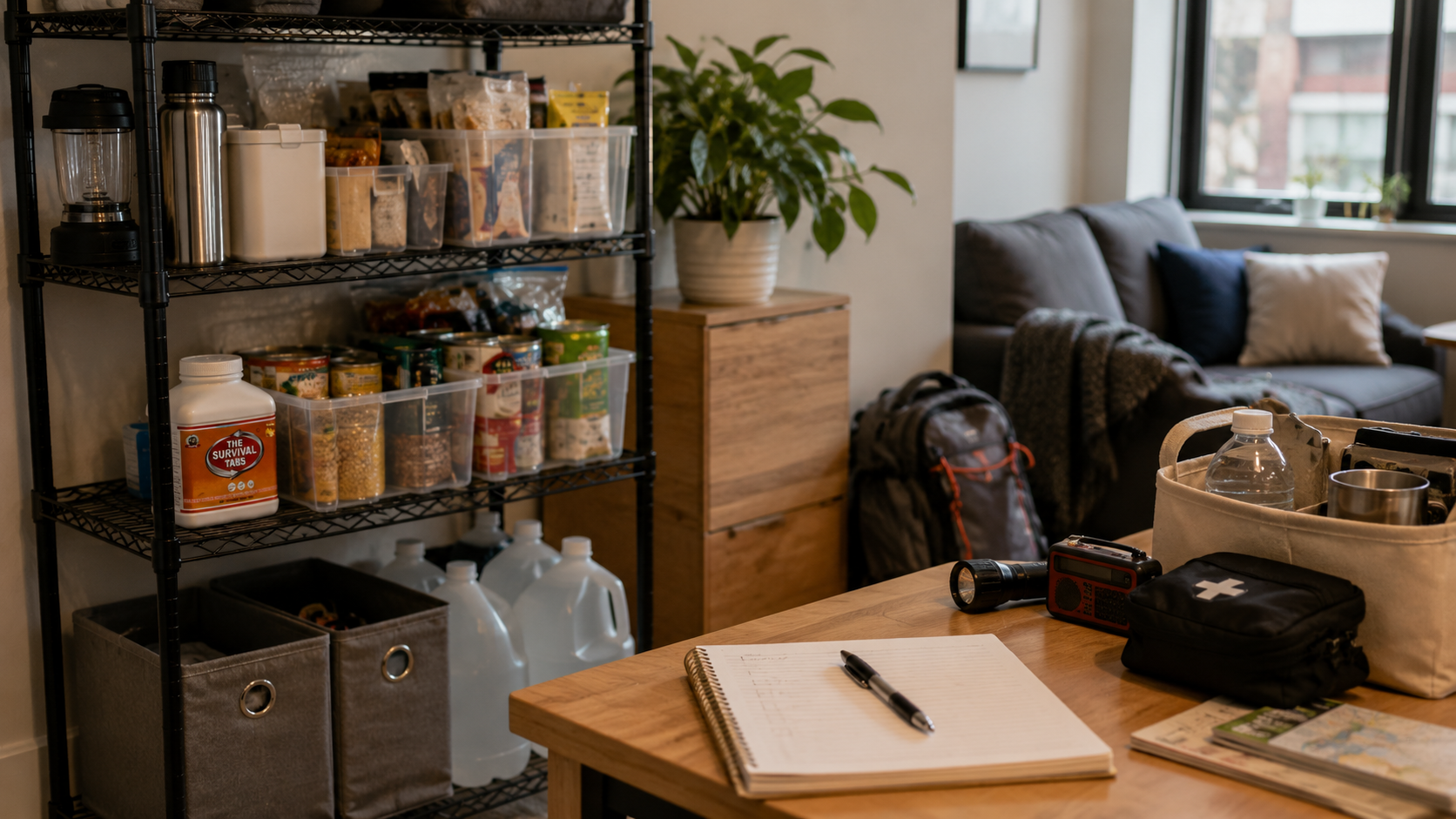
A long-term emergency food supply is best treated as a practical household inventory rather than a single large purchase. Build it gradually around foods your household already uses, shelf-stable backup foods, safe water, simple preparation methods, storage space, and regular rotation.
Start with household needs
List the people you are planning for and note allergies, dietary requirements, accessibility needs, infant supplies, pet supplies, and any individualized instructions your household already follows. Emergency food planning should complement—not replace—medical care, evacuation instructions, or individualized dietary guidance.
Build in layers
Begin with ready-to-eat foods for the first several days. Then extend the reserve with familiar shelf-stable foods that fit your available water, cooking equipment, fuel, budget, and storage. Choose a variety of foods rather than depending on one product or food category.
Plan meals, not just packages
Estimate the number of people and days you want to cover, then sketch simple meals using the serving information on the foods you buy.
Choose practical foods
Keep some foods that need no refrigeration, cooking, or added water. Familiar shelf-stable foods and dry staples can be useful when adequate safe water and a safe cooking method are available.
Account for water and utilities
Food planning and water planning belong together. Keep a no-cook fallback and follow current local emergency and food-safety guidance whenever utilities are disrupted.
Store and rotate
Use cool, dry storage areas away from direct sunlight, flood exposure, chemicals, and fuels. Follow manufacturer storage instructions and inspect the reserve regularly.
Keep an inventory and practice
Record quantities, locations, dates, dietary notes, and preparation requirements. Occasionally test meals using only the supplies assigned to the emergency plan.
During an emergency
Follow evacuation, water, food-safety, and public-health instructions from local authorities. When safe storage or preparation is uncertain, use authoritative food-safety guidance rather than guessing.
Special household needs
Keep infant feeding supplies, medically required foods, allergy-safe foods, and other specialized items as separate planning requirements. Follow product directions and individualized guidance already provided for those needs.
Where Survival Tabs fit
Survival Tabs can be one compact, shelf-stable component of a broader emergency food plan when used according to the verified product label and directions. They should not be presented as a universal replacement for a varied long-term food supply.