

Language Access and Multilingual Household Emergency Guide
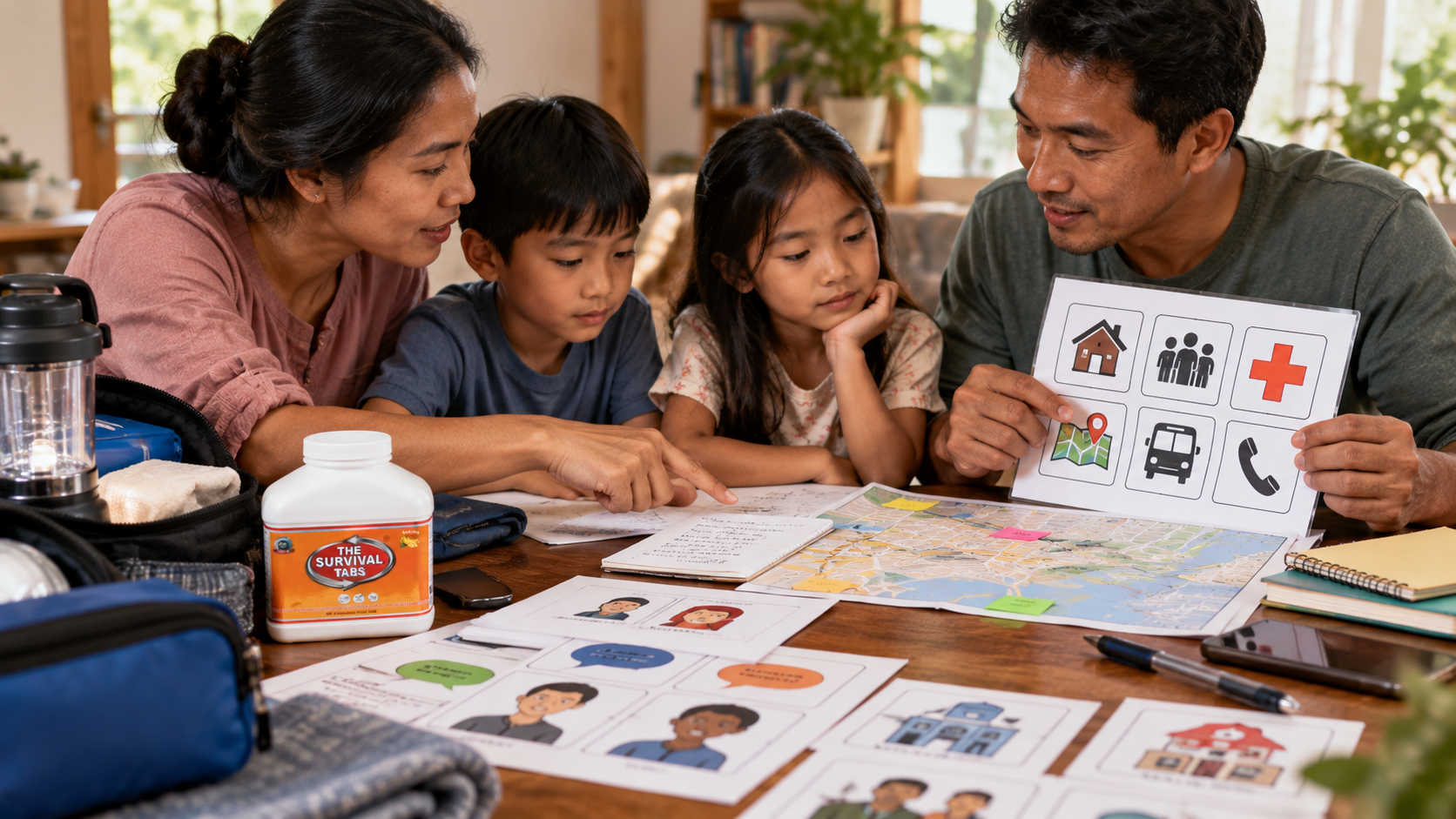
Quick answer: Prepare critical information in every language and format household members use. Do not rely on one bilingual person, one app, or a live internet connection during an emergency.
Choose trusted alert sources
Find official local alerts and weather information available in needed languages. Verify translations and distinguish official agencies from reposted or outdated social media.
Create simple written cards
Include names, addresses, contacts, meeting places, medical and accessibility needs, preferred language, and interpreter requests. Protect sensitive information while keeping essentials reachable.
Plan more than one interpreter path
Identify qualified interpretation services, bilingual community organizations, school or healthcare resources, and trusted contacts. Children should not carry sole responsibility for interpreting complex emergency or medical information.
Practice key decisions
Make sure each person understands when to evacuate, where to meet, who can pick up children, how to request help, and which instructions override the household plan.
Use accessible communication
Plain language, pictures, maps, demonstrations, captions, and audio may help across language and literacy differences. Confirm understanding rather than assuming a message was received.
Quick checklist
- Save official alerts and contacts offline.
- Include medication, accessibility, children, older adults, animals, and transport needs.
- Practice the plan and update it after household changes.
- Follow current local instructions during an actual emergency.
Official sources
- Ready.gov — Make a Plan: https://www.ready.gov/plan
- Ready.gov Preparedness Publications: https://www.ready.gov/publications
This guide provides general preparedness education and does not replace emergency services, product labels, or qualified professional guidance.