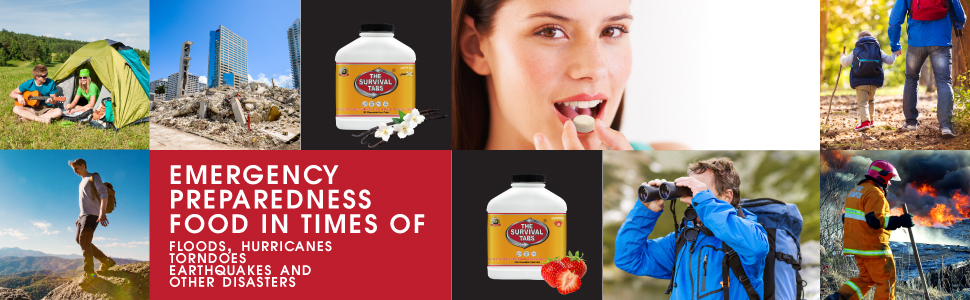
Key strategies for preparing for both winter snowstorms and summer wildfires, integrating disaster preparedness into long-term community planning, rebuilding after disasters, documenting damages, and ensuring well-being
 Preparing for Snowstorms and Wildfires
- Create an emergency kit with supplies for both winter and summer disasters, including food, water, medications, flashlights, batteries, etc.[1]
- Develop a family communication plan and evacuation routes for different scenarios[1]
- Winterize your home by insulating walls/attics and installing storm windows[1]
- Create defensible space around your home by clearing vegetation for wildfire protection[1]
- Have both winter supplies (snow shovels, ice melt) and wildfire supplies (hoses, fire extinguishers) on hand[1]
- Stay informed about weather conditions and evacuation orders year-round
Integrating Preparedness into Community Planning
- Conduct regular community disaster preparedness meetings and trainings[1]
- Improve infrastructure to be more resilient to extreme weather and wildfires[1]
- Update building codes and zoning laws to reduce risks[1]
- Create community-wide emergency response teams and plans[1]
- Invest in early warning systems for various hazards[1]
Rebuilding Community Infrastructure
- Assess damage thoroughly and prioritize critical infrastructure repairs[3]
- Use disaster-resilient designs and materials when rebuilding[3]
- Engage the community in decision-making about reconstruction[3]
- Leverage disaster funding to "build back better" with improved infrastructure[3]
- Focus on long-term sustainability and hazard mitigation in rebuilding efforts[3]
Documenting Damages for Insurance
- Take detailed photos and videos of all damage[2]
- Make a comprehensive list of damaged/destroyed items[2]
- Keep all receipts for repairs and related expenses[2]
- Document conversations with insurance companies[2]
- Use smartphone apps to organize documentation[2]
Ensuring Mental and Physical Well-Being
- Seek support from family, friends and mental health professionals[4][6]
- Practice self-care through healthy eating, exercise and sleep habits[4][6]
- Engage in stress-reduction activities like meditation or yoga[4][6]
- Limit exposure to disaster-related media coverage[4][6]
- Help others in the community as a way of coping[4][6]

By taking a comprehensive approach that addresses both seasonal hazards and long-term community resilience, areas prone to diverse disasters can be better prepared to respond and recover. The key is integrating preparedness into all aspects of planning and empowering residents with the knowledge and resources to stay safe.
***Statements regarding dietary supplements have not been evaluated by the FDA and are not intended to diagnose, treat, cure, or prevent any disease or health condition.***
 |
 |
 |
 |
 |
|
|---|---|---|---|---|---|
| 720 Tabs Emergency Food Survival Gluten Free and Non-GMO 25 Years Shelf Life | Food Supply 96 Tabs Emergency Food Replacement Disaster Preparedness | Ultimate Preparedness Emergency Food Supply 25 year shelf life | Emergency Food Ration Survival MREs Food Replacement | Emergency Food Survival Food Meal Replacement MREs Gluten Free and Non-GMO | |
| Day Serving | 60 days | 8 days | 120 days | 15 days | 2 days |
| Shelf-Life | 25 years | 25 years | 25 years | 25 years | 25 years |
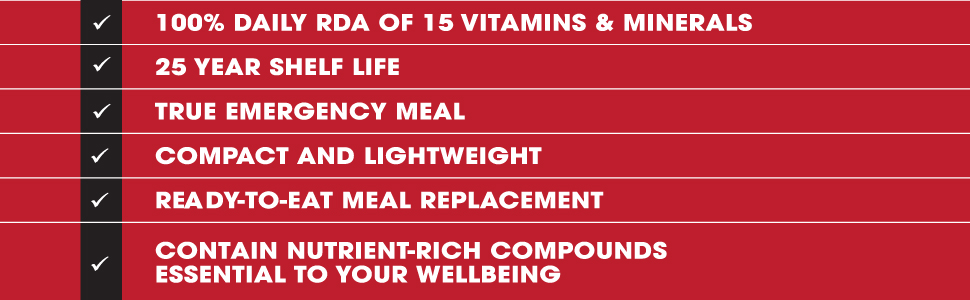
| Non-GMO | ✓ | ✓ | ✓ | ✓ | ✓ |
| Gluten Free | ✓ | ✓ | ✓ | ✓ | ✓ |
| Tabs Amount | 720 | 96 | 1440 | 180 | 24 |