Innovative Snow-Melting Technologies: From Rooftops to Emergency Shelters
 As winter challenges persist, innovative solutions for snow management continue to emerge. Let's explore some cutting-edge approaches to keeping structures snow-free, with a focus on sustainability and efficiency. #SnowMelting #GreenTech
Solar-Powered Snow-Melting Solutions for Shelters
Solar-powered snow-melting systems are gaining traction for their eco-friendly approach to winter maintenance:
1. Photovoltaic panels generate electricity to power heating elements
2. Solar thermal collectors directly heat fluids for snow melting
3. Hybrid systems combine both technologies for optimal efficiency
These systems can be particularly effective for flat or low-slope roofs on shelters, preventing dangerous snow accumulation. #SolarPower #WinterPrep
Paraffin Oil vs. Other Phase Change Materials
Paraffin oil has shown promise as a phase change material (PCM) for snow melting:
- Releases heat when transitioning from liquid to solid
- Can be incorporated into concrete mixtures
- Relatively inexpensive and widely available
Compared to other PCMs like salt hydrates or fatty acids, paraffin oil offers:
- Chemical stability
- Non-corrosive properties
- Wide range of melting temperatures
However, challenges remain in preventing upward leakage onto road surfaces. #MaterialScience #InnovativeMaterials
Adapting Solar-Powered Roofs for Emergency Shelters
While primarily designed for permanent structures, solar-powered snow-melting roofs could potentially be adapted for emergency shelters:
1. Portable solar panels could power flexible heating mats
2. Modular systems could be quickly deployed on temporary structures
3. Battery storage could ensure operation during low-light conditions
 These adaptations could provide crucial snow management in disaster relief scenarios. #EmergencyPreparedness #SustainableSolutions
Environmental Impacts of Paraffin Oil in Snow Melting
Using paraffin oil for snow melting presents both benefits and concerns:
Benefits:
- Reduces need for chemical deicers
- Potentially lowers energy consumption for snow removal
Concerns:
- Potential for oil leakage into environment
- Long-term effects on concrete durability unknown
- End-of-life disposal considerations
Further research is needed to fully assess the environmental impact of this technology. #EnvironmentalImpact #GreenInnovation
Efficiency of Underground Heaters in Extreme Cold
Underground heating systems can be effective even in extreme cold, but efficiency may decrease:
- Well-insulated systems maintain performance in sub-zero temperatures
- Geothermal heat pumps can provide consistent heat exchange
- Proper antifreeze solutions prevent system freezing
However, energy consumption may increase significantly in extreme conditions. #ExtremeWeather #EnergyEfficiency
In conclusion, while solar-powered and phase change material-based snow melting technologies show great promise, each comes with its own set of challenges and considerations. As research progresses, we can expect more efficient and environmentally friendly solutions for managing snow in various contexts, from permanent structures to emergency shelters. #WinterInnovation #SustainableTech
Remember, when implementing any snow melting system, it's crucial to consider local climate conditions, energy availability, and environmental impact to choose the most appropriate solution.


Citations:
[6] https://blog.nvent.com/how-electrical-snow-melting-systems-reduce-the-need-for-chemical-ice-melters/
***Statements regarding dietary supplements have not been evaluated by the FDA and are not intended to diagnose, treat, cure, or prevent any disease or health condition.***
 |
 |
 |
 |
 |
|
|---|---|---|---|---|---|
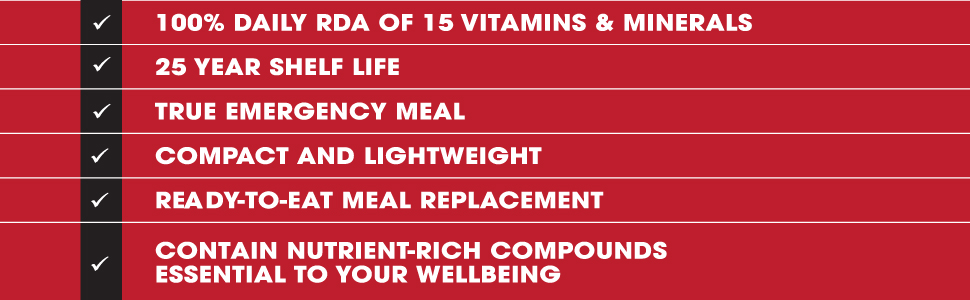
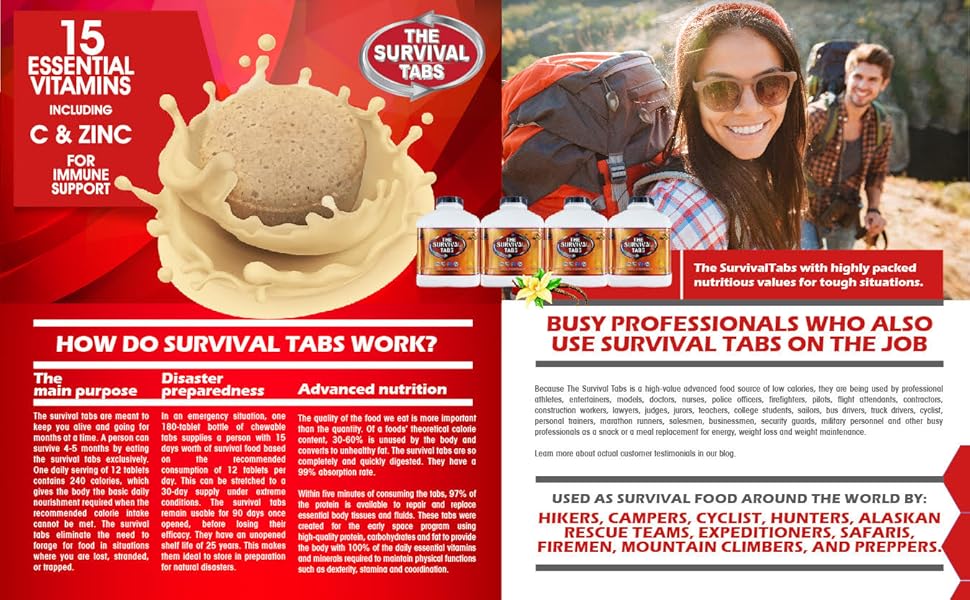
| 720 Tabs Emergency Food Survival Gluten Free and Non-GMO 25 Years Shelf Life | Food Supply 96 Tabs Emergency Food Replacement Disaster Preparedness | Ultimate Preparedness Emergency Food Supply 25 year shelf life | Emergency Food Ration Survival MREs Food Replacement | Emergency Food Survival Food Meal Replacement MREs Gluten Free and Non-GMO | |
| Day Serving | 60 days | 8 days | 120 days | 15 days | 2 days |
| Shelf-Life | 25 years | 25 years | 25 years | 25 years | 25 years |
| Non-GMO | ✓ | ✓ | ✓ | ✓ | ✓ |
| Gluten Free | ✓ | ✓ | ✓ | ✓ | ✓ |
| Tabs Amount | 720 | 96 | 1440 | 180 | 24 |