Hurricane Francine: How to Prepare Before and After the Storm

Before the Hurricane
Create an Emergency Plan
Develop a detailed emergency plan for your household. This should include:
- Evacuation routes and meeting points
- Communication methods if separated
- Plans for pets and livestock
- Special considerations for family members with medical needs or disabilities
Prepare an Emergency Kit
Assemble a hurricane preparedness kit containing:
- Non-perishable food and water for at least 3 days
- Flashlights and extra batteries
- First aid supplies and prescription medications
- Battery-powered or hand-crank radio
- Personal hygiene items
- Important documents in waterproof containers
- Cash and credit cards
- Warm clothing and blankets
Take steps to protect your home and belongings:
- Install storm shutters or board up windows
- Secure outdoor furniture, decorations, and trash cans
- Trim trees and shrubs to minimize potential debris
- Clear gutters and downspouts
- Consider installing a generator for backup power

Monitor local news and weather reports for the latest updates on Hurricane Francine. Follow official social media accounts and download emergency alert apps for real-time information.
Know Your Evacuation Zone
Determine if you live in an evacuation zone. If local authorities issue an evacuation order, follow their instructions immediately. Have a plan for where you'll go and how you'll get there.
Prepare for Power Outages
Charge all electronic devices and consider purchasing portable battery packs. Fill your vehicle's gas tank and have cash on hand in case ATMs are unavailable.
Stock Up on Supplies
Purchase enough non-perishable food, water, and essential items to last at least a week. Don't forget supplies for infants, elderly family members, and pets.
During the Hurricane
Stay Indoors
Once Hurricane Francine makes landfall, remain inside a sturdy building away from windows and exterior doors. Move to an interior room or hallway on the lowest floor.
Monitor Weather Updates
Continue to stay informed about the hurricane's progress and any emergency instructions from local authorities.
Avoid Floodwaters
Never attempt to walk or drive through flooded areas. Remember: Turn Around, Don't Drown!
Use Safe Water Sources
If tap water becomes unsafe, use bottled water or boil tap water for at least one minute before consuming.
Conserve Power
Use flashlights instead of candles to reduce fire risk. Minimize opening refrigerators and freezers to maintain cold temperatures if the power goes out.

Stay Alert
Continue monitoring local news for important information about recovery efforts and potential hazards.
Assess Damage Safely
Once authorities declare it safe to return home:
- Check for structural damage before entering buildings
- Watch for downed power lines and avoid standing water
- Be cautious of wildlife displaced by the storm
- Document damage with photos for insurance purposes
Begin Clean-up
Start cleaning and drying affected areas to prevent mold growth. Wear protective gear, including gloves and masks, when handling debris.
Contact Insurance Company
Report property damage to your insurance company as soon as possible. Keep detailed records of all clean-up expenses.
Be Cautious with Food and Water
Discard perishable foods that have been without refrigeration for more than 2 hours. If in doubt, throw it out. Use only bottled or boiled water until authorities declare tap water safe.
Help Your Community
Check on neighbors, especially the elderly or those with special needs. Volunteer with local organizations assisting in recovery efforts if you're able.
Manage Stress
The aftermath of a hurricane can be emotionally challenging. Take care of your mental health and seek support if needed.
Additional ConsiderationsFinancial Preparedness
- Review your insurance policies to ensure adequate coverage
- Keep important financial documents in a waterproof, portable container
- Have some cash on hand for emergencies
- Refill prescriptions in advance
- Prepare a list of medications and dosages
- Have a plan for powering medical devices during outages
- Ensure pets are microchipped and wearing ID tags
- Prepare an emergency kit for pets with food, water, and medications
- Know pet-friendly evacuation shelters or hotels
- Develop a business continuity plan
- Back up important data and secure vital records
- Communicate emergency plans with employees
- Be patient, as full recovery may take weeks or months
- Stay informed about assistance programs from FEMA and other organizations
- Consider ways to make your property more resilient for future storms
As Hurricane Francine approaches, taking these steps can help ensure the safety of you and your loved ones. Remember, preparation is key to weathering the storm and its aftermath. Stay vigilant, follow official instructions, and prioritize safety above all else.
By working together and supporting one another, communities can overcome the challenges posed by Hurricane Francine and emerge stronger. Stay safe, stay prepared, and remember that help is available if you need it.
[4] https://www.redcross.org/get-help/how-to-prepare-for-emergencies/types-of-emergencies/hurricane.html
***Statements regarding dietary supplements have not been evaluated by the FDA and are not intended to diagnose, treat, cure, or prevent any disease or health condition.***
 |
 |
 |
 |
 |
|
|---|---|---|---|---|---|
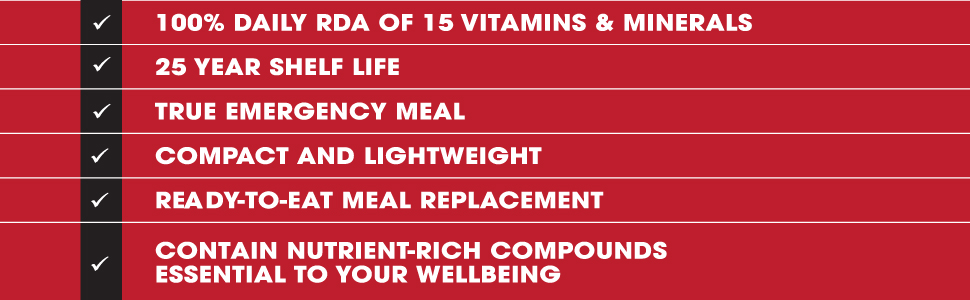
| 720 Tabs Emergency Food Survival Gluten Free and Non-GMO 25 Years Shelf Life | Food Supply 96 Tabs Emergency Food Replacement Disaster Preparedness | Ultimate Preparedness Emergency Food Supply 25 year shelf life | Emergency Food Ration Survival MREs Food Replacement | Emergency Food Survival Food Meal Replacement MREs Gluten Free and Non-GMO | |
| Day Serving | 60 days | 8 days | 120 days | 15 days | 2 days |
| Shelf-Life | 25 years | 25 years | 25 years | 25 years | 25 years |
| Non-GMO | ✓ | ✓ | ✓ | ✓ | ✓ |
| Gluten Free | ✓ | ✓ | ✓ | ✓ | ✓ |
| Tabs Amount | 720 | 96 | 1440 | 180 | 24 |