

Hurricane Emergency Food Guide
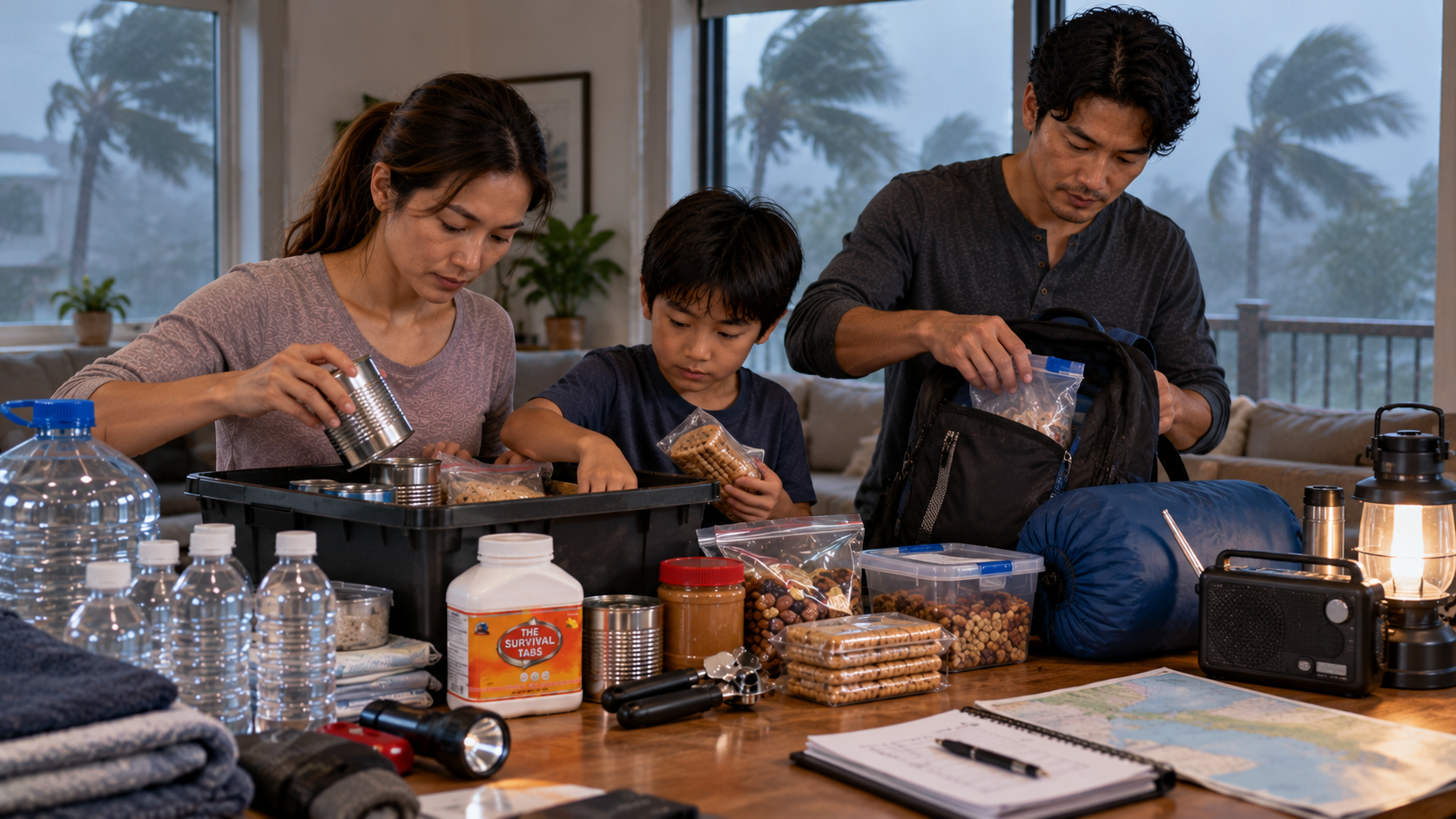
Hurricane Emergency Food Guide
Hurricanes can interrupt power, refrigeration, safe water, transportation and store access. Build the food plan before watches or warnings, and coordinate it with evacuation zones, shelter options and household medical needs.
Plan two food layers
Keep a portable evacuation supply and a larger home reserve. Choose familiar shelf-stable foods and no-cook options. Include a manual can opener and account for infants, allergies, medical diets, pets and people who need easy-to-eat foods.
Water is separate and essential
Store safe water in appropriate containers using current official quantity guidance. Plan extra for heat, pets, medication and sanitation. Follow boil-water, do-not-drink and do-not-use notices exactly.
Before power loss
Keep appliances cold, freeze water containers where appropriate and know which foods must be discarded after unsafe temperatures. Never depend on a grill or generator for indoor cooking; combustion equipment can produce deadly carbon monoxide.
During evacuation
Prioritize water, medication, identification and durable ready-to-eat food. Do not delay evacuation to collect food. Confirm shelter food and allergy policies but bring required personal supplies when instructed.
After flooding or outages
Discard food touched by floodwater, sewage, chemicals or damaged packaging. Follow current food-safety time and temperature guidance and never taste food to test it.
Where Survival Tabs fit
They may add a compact no-cook reserve layer, but they are not a sole diet and do not replace water, adequate calories, varied food, medication or evacuation.