Hurricane Clean Up And Repair Needs
After a hurricane, proper documentation, safe mold removal, and thorough disinfection are crucial steps in the recovery process. Here's a comprehensive guide on best practices for hurricane cleanup and damage assessment:
Documenting Hurricane Damage
Accurate documentation is essential for insurance claims and recovery efforts:
- Take extensive photos and videos of all damage, including wide-angle shots and close-ups[5][6]
- Ensure photos and videos have date and time stamps[6]
- Create a detailed inventory of damaged items, including descriptions and estimated values[6]
- Keep all receipts for repairs, temporary lodging, and other hurricane-related expenses[5]
- Document all communication with your insurance company in writing[5]
Safe Mold and Mildew Removal
Mold can start growing within 24-48 hours after water exposure, so quick action is crucial:
- Wear proper protective gear, including gloves, goggles, and an N95 respirator mask[4]
- Use industrial-grade vacuums with HEPA filters to remove water and debris[4]
- Thoroughly clean and disinfect affected areas with a mild detergent or vinegar solution[4]
- Remove and dispose of heavily contaminated materials like drywall or carpeting[4]
- Consider professional mold remediation for severe infestations[4]
Hurricane Cleanup Do's and Don'ts
Avoid these common mistakes during cleanup:
- Don't ignore safety precautions or rush into debris without proper gear[7]
- Don't delay cleanup efforts, as this can lead to further damage and mold growth[7]
- Don't focus only on visible damage; hidden issues can be just as serious[7]
- Do document all damage before beginning cleanup[7]
- Do be cautious of potential hazards like downed power lines and unstable structures[7]
Proper Home Disinfection After Flooding
Thorough disinfection is crucial to prevent health hazards:
- Remove all standing water and wet materials[1]
- Scrub walls, floors, and other surfaces with a bleach solution[1]
- Use fans and dehumidifiers to dry out affected areas completely[1]
- Disinfect all surfaces that came into contact with floodwater[1]
- Pay special attention to frequently touched surfaces like doorknobs and countertops
Essential Tools and Protective Gear
Equip yourself with the right tools and gear for safe and effective cleanup:
- Personal Protective Equipment (PPE): gloves, safety goggles, dust masks, hard hats[2][3]
- Manual tools: shovels, rakes, wheelbarrows[3]
- Heavy-duty trash bags and containers[3]
- Tarps for covering damaged areas[3]
- Industrial vacuums and water pumps for water removal[3]
- First aid kits for emergencies[3]
Remember, safety should always be your top priority during hurricane cleanup. If you're unsure about handling any aspect of the cleanup process, don't hesitate to seek professional help.
#HurricaneRecovery #StormCleanup #DisasterPreparedness #MoldPrevention #HomeRestoration #SafetyFirst #InsuranceClaims #FloodRecovery #EmergencyResponse #CommunityResilience
 |
 |
 |
 |
 |
|
|---|---|---|---|---|---|
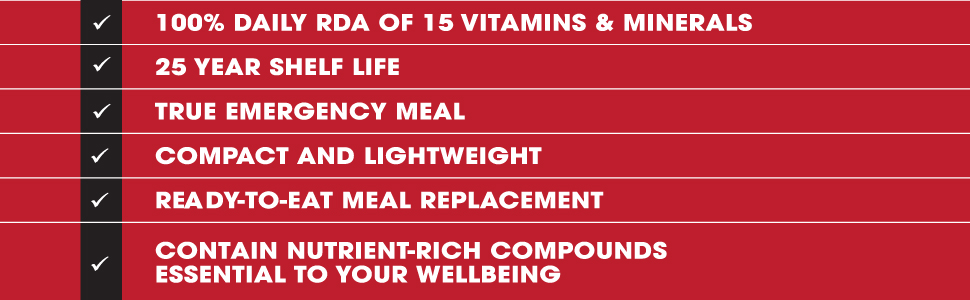
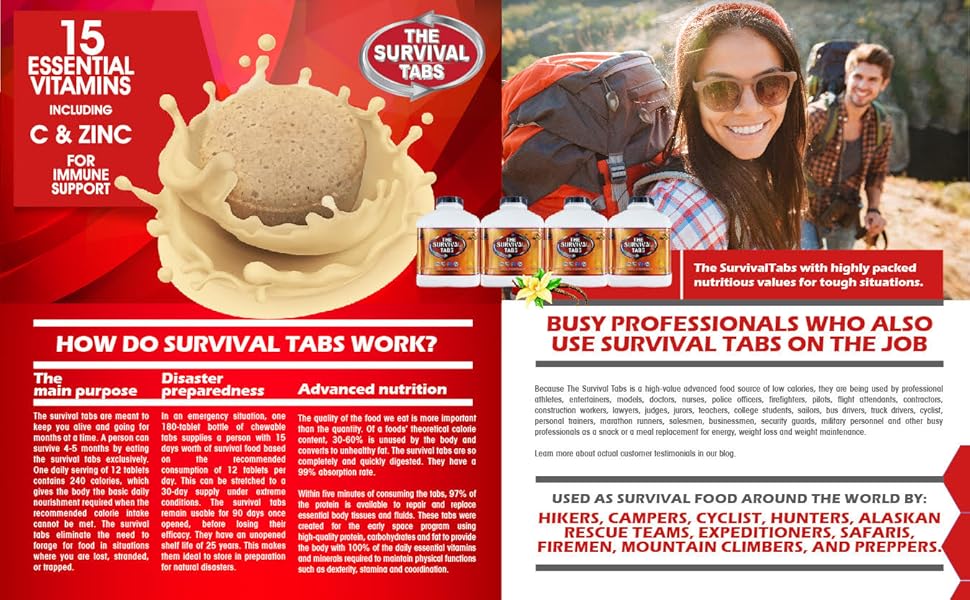
| 720 Tabs Emergency Food Survival Gluten Free and Non-GMO 25 Years Shelf Life | Food Supply 96 Tabs Emergency Food Replacement Disaster Preparedness | Ultimate Preparedness Emergency Food Supply 25 year shelf life | Emergency Food Ration Survival MREs Food Replacement | Emergency Food Survival Food Meal Replacement MREs Gluten Free and Non-GMO | |
| Day Serving | 60 days | 8 days | 120 days | 15 days | 2 days |
| Shelf-Life | 25 years | 25 years | 25 years | 25 years | 25 years |
| Non-GMO | ✓ | ✓ | ✓ | ✓ | ✓ |
| Gluten Free | ✓ | ✓ | ✓ | ✓ | ✓ |
| Tabs Amount | 720 | 96 | 1440 | 180 | 24 |