How to prepare for pre and post-earthquake scenarios, focusing on a potential large earthquake in Southern California

Pre-Earthquake Preparation
Create an Emergency Kit
Assemble a comprehensive emergency kit that can sustain you and your family for at least 72 hours. Include:
- Water (1 gallon per person per day)
- Non-perishable food
- First aid supplies
- Flashlights and extra batteries
- Battery-powered or hand-crank radio
- Medications and prescription glasses
- Cash and important documents
- Warm clothing and sturdy shoes
- Sanitation supplies

Secure Your Home
Take steps to minimize potential damage and injuries:
- Anchor heavy furniture to walls
- Secure hanging objects
- Install latches on cabinets
- Relocate heavy items to lower shelves
- Apply safety film to windows
- Secure water heaters and large appliances
#HomeSafety #EarthquakeProofing
Develop a Communication Plan
Create a family communication plan:
- Designate an out-of-area contact
- Identify meeting places outside your home and neighborhood
- Ensure all family members know emergency contact numbers
- Practice your plan regularly
#FamilyPlan #EmergencyCommunication
Know Your Area's Risks
Research potential hazards specific to your location:
- Identify nearby fault lines
- Assess liquefaction and landslide risks
- Understand tsunami risks if near the coast
#KnowYourRisks #CaliforniaEarthquakes
Stay Informed
Sign up for local emergency alerts and warnings:
- Download earthquake early warning apps like MyShake
- Enable Wireless Emergency Alerts on your phone
- Follow local emergency services on social media
#StayInformed #EarthquakeWarning

During an Earthquake
Drop, Cover, and Hold On
Practice the "Drop, Cover, and Hold On" technique:
- Drop to the ground
- Take cover under a sturdy desk or table
- Hold on until the shaking stops
If you're in bed, stay there and protect your head with a pillow.
#DropCoverHoldOn #EarthquakeSafety
Stay Calm and Assess Your Surroundings
- If indoors, stay away from windows and potential falling objects
- If outdoors, move to an open area away from buildings and power lines
- If driving, pull over to a safe place away from buildings and overpasses
#StaySafe #EarthquakeAwareness
Post-Earthquake Actions
Check for Injuries
- Attend to your own injuries first
- Help others if you're able
- Call 911 for serious injuries

Assess Your Environment
- Check for damage to your home or building
- Look for fire hazards or gas leaks
- Be prepared for aftershocks
#SafetyFirst #AfterShockPrep
Communication and Information
- Use text messages instead of phone calls to reduce network congestion
- Listen to local news for updates and instructions
- Check on neighbors, especially those who may need assistance
#EmergencyInfo #CommunitySupport
Evacuation and Shelter
- Evacuate if your home is unsafe or if instructed by authorities
- Know the locations of local emergency shelters
- Follow designated evacuation routes
#EvacuationPlan #EmergencyShelter
Long-Term Recovery
- Take photos and videos of damage for insurance claims
- Keep receipts for all repair and replacement expenses
#InsuranceClaims #DisasterRecovery
Mental Health Support
- Seek counseling if needed to cope with trauma
- Participate in community support groups
#MentalHealth #EarthquakeRecovery
Community Involvement
- Volunteer with local relief efforts
- Attend community meetings about rebuilding efforts
#CommunityResilience #RebuildTogether
Preparing for Future Earthquakes
Retrofit Your Home
Consider seismic retrofitting to improve your home's resilience:
- Bolt house to foundation
- Reinforce cripple walls
- Brace unreinforced masonry
#SeismicRetrofit #EarthquakeResistance
Stay Educated
Attend local earthquake preparedness workshops
Keep up with the latest earthquake research and preparedness techniques
#EarthquakeEducation #PreparednessTips
Regular Drills
Participate in the annual Great California ShakeOut drill
Conduct regular family earthquake drills
#ShakeOut #EarthquakeDrill
Incorporate these trending hashtags in your social media posts and searches for earthquake-related information:
#EarthquakePrep
#CaliforniaEarthquake
#SeismicSafety
#DisasterReady
#ShakeAlert
#EarthquakeWarning
#ResilienceCA
#PreparedNotScared
#EarthquakeSurvival
#EmergencyManagement
By following these comprehensive steps and staying informed, you can significantly improve your readiness for a major earthquake in Southern California. Remember, preparation is key to minimizing the impact of natural disasters and ensuring a quicker recovery for you, your family, and your community.

As we've seen with the recent magnitude 4.7 earthquake near Malibu, even smaller quakes can serve as important reminders of the seismic activity in the region. Use these events as opportunities to review and update your earthquake preparedness plans. Stay vigilant, stay prepared, and remember that every step you take towards readiness can make a significant difference when the next big earthquake strikes.
***Statements regarding dietary supplements have not been evaluated by the FDA and are not intended to diagnose, treat, cure, or prevent any disease or health condition.***
 |
 |
 |
 |
 |
|
|---|---|---|---|---|---|
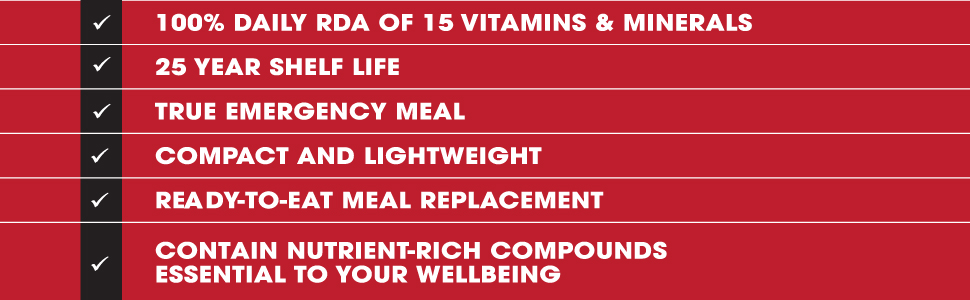
| 720 Tabs Emergency Food Survival Gluten Free and Non-GMO 25 Years Shelf Life | Food Supply 96 Tabs Emergency Food Replacement Disaster Preparedness | Ultimate Preparedness Emergency Food Supply 25 year shelf life | Emergency Food Ration Survival MREs Food Replacement | Emergency Food Survival Food Meal Replacement MREs Gluten Free and Non-GMO | |
| Day Serving | 60 days | 8 days | 120 days | 15 days | 2 days |
| Shelf-Life | 25 years | 25 years | 25 years | 25 years | 25 years |
| Non-GMO | ✓ | ✓ | ✓ | ✓ | ✓ |
| Gluten Free | ✓ | ✓ | ✓ | ✓ | ✓ |
| Tabs Amount | 720 | 96 | 1440 | 180 | 24 |