How to prepare for pre and post-disaster scenarios in a mountain town like Running Springs that faces both winter blizzards and summer wildfires

- Create an emergency kit with enough supplies to last at least 72 hours, including non-perishable food, water, medications, first aid supplies, flashlights, batteries, and a battery-powered or hand-crank radio[2].
- Develop a family communication plan and designate an out-of-area contact[2].
- Sign up for local emergency alerts and warnings[2].
- Keep important documents in a waterproof, portable container[2].
- Maintain an updated list of emergency contacts.
- Have cash on hand in case ATMs and credit card machines are down.
- Winterize your home by insulating walls and attics, caulking and weather-stripping doors and windows, and installing storm windows[7].
- Have your heating system serviced annually and inspect chimneys and fireplaces[7].
- Install and test smoke alarms and carbon monoxide detectors with battery backups[7].
- Stock up on winter supplies like snow shovels, ice melt, and windshield scraper[7].
- Prepare your vehicle with winter tires, antifreeze, and a winter emergency kit[7].
- Learn how to shut off water valves in case a pipe bursts[7].
- Create a defensible space around your home by clearing vegetation and flammable materials[4].
- Use fire-resistant materials for roofing and siding when possible[4].
- Keep gutters, eaves, and roof clear of leaves and other debris[4].
- Have multiple garden hoses that are long enough to reach all areas of your home and other structures[4].
- Identify and maintain an adequate water source outside your home, such as a small pond, cistern, well, or swimming pool[4].
- Keep a list of emergency contact numbers near your phone and in your emergency supply kit[4].

- Stay informed through local news and emergency channels[2].
- Check on neighbors, especially elderly or those with special needs[2].
- If evacuated, wait for official notice that it's safe to return home[2].
- Document any damage with photos and videos for insurance purposes[2].
- Begin snow removal carefully to avoid overexertion[8].
- Check for frozen pipes and turn off water immediately if any have burst[8].
- Examine the exterior of your property for damage to roof, siding, and landscaping[8].
- Remove any ice dams that may have formed on your roof[8].
- Stay warm and dry when working outside to avoid hypothermia[8].
- Do not return home until authorities say it is safe[5].
- Use caution when entering burned areas as hazards may still exist[5].
- Check for hot spots in and around your home[5].
- Check the roof and extinguish any sparks or embers[5].
- Wet down debris to minimize dust inhalation[5].
- Wear leather gloves and heavy-soled shoes for safety[5].
- Long-Term Resilience Strategies
- Join or form a local emergency response team[1].
- Participate in community disaster preparedness meetings and trainings[1].
- Support local initiatives for improved infrastructure and emergency services[1].
- Consider installing impact-resistant windows and storm shutters[3].
- Upgrade to a fire-resistant roof if in a wildfire-prone area[4].
- Install backup power sources like generators or solar panels with battery storage[3].
- Improve drainage around your property to reduce flood risk[3].
- Review and update your insurance policies regularly, ensuring adequate coverage for both winter storm and wildfire damage[2].
- Create a home inventory with photos and descriptions of valuable items[2].
- Set aside an emergency fund to cover immediate post-disaster expenses[2].

Living in an area prone to both winter storms and wildfires requires flexibility and adaptability. Here are some strategies to help you navigate these changing conditions:
- Develop separate checklists for winter and summer preparedness, reviewing and updating them at the start of each season.
- Rotate seasonal items in your emergency kit (e.g., swap out winter clothing for summer items).
- Schedule regular maintenance for both cold and hot weather equipment (snowblowers, air conditioners, etc.).
- Stay informed about long-term weather patterns and climate trends affecting your area.
- Be prepared to evacuate at any time of year by keeping go-bags ready and evacuation routes planned.
- Maintain relationships with neighbors and community members to create a support network for year-round emergencies.
- Mental and Emotional Resilience
- Develop coping strategies for dealing with the stress of living in a disaster-prone area.
- Consider joining or starting a support group for local residents facing similar challenges.
- Practice self-care and stress-reduction techniques to maintain mental health during and after disasters.
- Implement water conservation measures to prepare for both drought conditions and potential water shortages during winter storms.

Consider landscaping with native, drought-resistant plants that are also less likely to fuel wildfires.
Explore renewable energy options to reduce dependence on potentially vulnerable power grids.
By taking a comprehensive approach to disaster preparedness that addresses both winter storms and wildfires, residents of mountain towns like Running Springs can build resilience and adaptability in the face of changing environmental conditions. Remember that preparedness is an ongoing process, requiring regular review and adjustment of your plans and strategies. Stay informed, stay connected with your community, and prioritize safety in all seasons to thrive in this challenging but beautiful environment.
***Statements regarding dietary supplements have not been evaluated by the FDA and are not intended to diagnose, treat, cure, or prevent any disease or health condition.***
 |
 |
 |
 |
 |
|
|---|---|---|---|---|---|
| 720 Tabs Emergency Food Survival Gluten Free and Non-GMO 25 Years Shelf Life | Food Supply 96 Tabs Emergency Food Replacement Disaster Preparedness | Ultimate Preparedness Emergency Food Supply 25 year shelf life | Emergency Food Ration Survival MREs Food Replacement | Emergency Food Survival Food Meal Replacement MREs Gluten Free and Non-GMO | |
| Day Serving | 60 days | 8 days | 120 days | 15 days | 2 days |
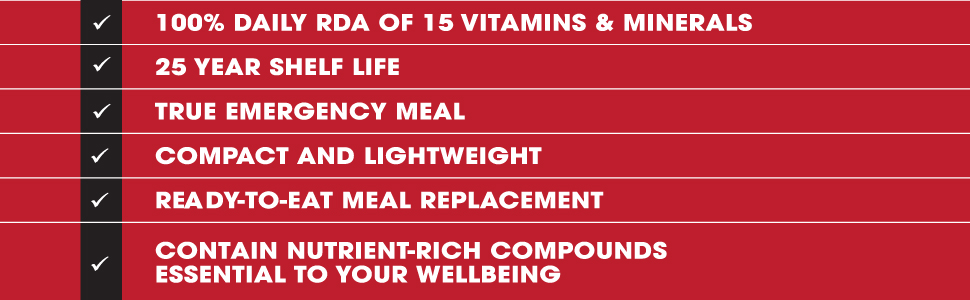
| Shelf-Life | 25 years | 25 years | 25 years | 25 years | 25 years |
| Non-GMO | ✓ | ✓ | ✓ | ✓ | ✓ |
| Gluten Free | ✓ | ✓ | ✓ | ✓ | ✓ |
| Tabs Amount | 720 | 96 | 1440 | 180 | 24 |